"Bedbugs Are Nocturnal... Higher Detection Rate When Lights Are Off"
Increase in Bedbug Sightings in Korea... Likely Imported from Abroad
Recently, controversy arose after bedbugs were found in a jjimjilbang in Incheon, and a hotelier has shared a method to check for bedbugs in a room, gaining attention.
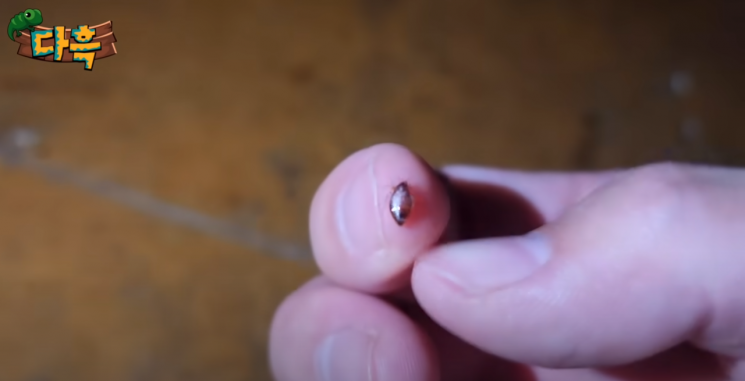
According to the British daily newspaper Daily Mirror, Halee, a hotelier with 15 years of experience, advised turning off the lights and using the flashlight function on a mobile phone to check for bedbugs in a room.
Halee said, "Bedbugs are nocturnal, so turning off the lights increases the chances of finding them," adding, "You need to check every corner and crevice of the bed. It is good to inspect the folds of the linens."
She also stated that bloodstains on sheets are the best way to confirm the presence of bedbugs. She further recommended checking items that are difficult to clean daily, such as refrigerators, curtains, and ironing boards.
Halee emphasized checking the room before unpacking luggage to prevent bedbugs from invading personal belongings.
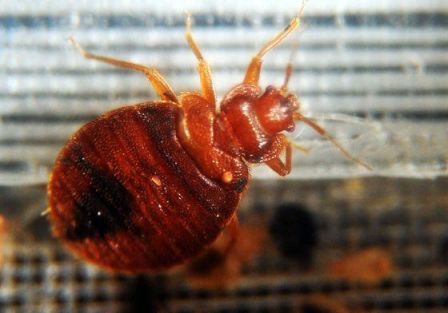
According to pest control companies, inquiries about bedbug extermination have surged recently as overseas travel has increased following the COVID-19 endemic phase.
Bedbugs feed on blood like mosquitoes. Although they are not known to transmit diseases to humans, their bites cause symptoms such as skin rashes, hives, and severe itching.
The adult bedbugs and larvae found at a sauna business in Seo-gu, Incheon, on the 13th became a major topic online. Bedbugs were also found in a motel in Geumcheon-gu, Seoul, in April.
In Korea, the bedbug population was almost eradicated in the 1970s with the introduction of DDT insecticides, but recently, the frequency of bedbug appearances has been increasing. Experts speculate that bedbugs have been introduced from overseas.
© The Asia Business Daily(www.asiae.co.kr). All rights reserved.


















