High-risk groups to start vaccination from October 19
General public vaccination begins November 1
Simultaneous flu vaccine administration for convenience
No difference in effectiveness or safety compared to single vaccination
The 2023?2024 seasonal COVID-19 vaccination will begin on October 19.
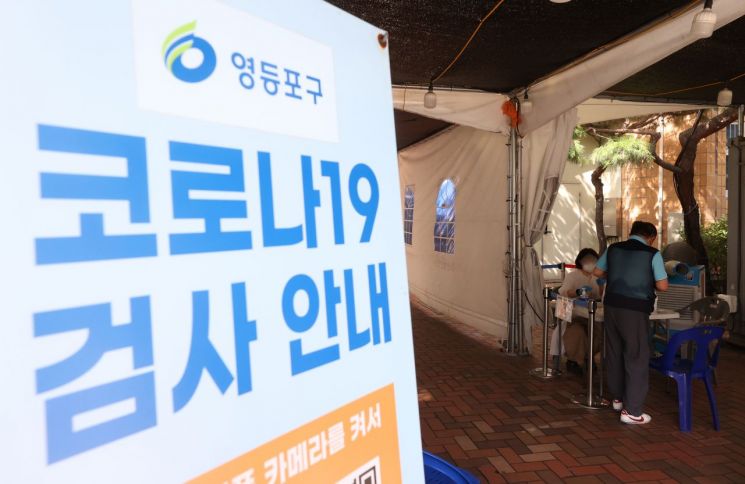
According to the Korea Disease Control and Prevention Agency (KDCA) on the 26th, the COVID-19 vaccination period for this winter season will run from October 19 to March 31 of next year. To enhance vaccination convenience, the KDCA announced that "this COVID-19 vaccination can be administered simultaneously with the influenza (flu) vaccine."
The COVID-19 vaccination schedule varies by age. High-risk groups requiring priority protection can make advance reservations (online and phone) starting from this day and can receive the vaccine from the 19th of next month, which is also the first day of influenza vaccination. Other citizens (aged 12 and above) can make advance reservations from October 18 and receive vaccinations starting November 1.
Vaccination is considered complete after receiving one dose of the vaccine within the period. Those who did not participate in the primary vaccination during the COVID-19 outbreak can also get vaccinated. Additional vaccination is possible if 3 months (90 days) have passed since the last vaccination. Vaccination sites include nationwide designated medical institutions and public health centers, and detailed information can be found on the COVID-19 vaccination website.
The vaccines to be used for this vaccination are Pfizer and Moderna’s XBB.1.5 monovalent vaccines, developed to target the currently prevalent XBB variant. In the previous season, the BA.4/5 bivalent vaccine was used. Pfizer’s new vaccine was granted emergency use authorization in Korea on the 12th after the Ministry of Food and Drug Safety confirmed its efficacy and safety. Moderna’s XBB.1.5 monovalent vaccine is currently awaiting domestic approval following approval by the U.S. Food and Drug Administration (FDA).
The new vaccines have been found to be more effective than previous vaccines. The neutralizing antibody titers (immune response capability) against the XBB.1.5 variant for Pfizer and Moderna vaccines were 3.1 times and 2.7 times higher, respectively, compared to the BA.4/5 bivalent vaccine. They have also shown effectiveness against the XBB variant EG.5.1 and the recently emerged BA.2.86 variant in Korea.
Local and systemic reactions after vaccination were mostly mild. According to Moderna’s clinical study, injection site pain was reported by 68%, axillary swelling by 10%, and redness by 4%. Systemic reactions included fatigue (44%), headache (34%), and fever (6%). The incidence rates were confirmed to be lower than those of previously administered vaccines.
Major countries such as the United States and Japan have been administering the XBB.1.5 monovalent vaccine to the entire population starting this month. Countries like the United Kingdom and Australia are vaccinating high-risk groups such as the elderly and immunocompromised individuals.
Overseas, for convenience, COVID-19 vaccinations are being administered alongside flu vaccinations during the flu vaccine season. Studies have shown similar effectiveness in groups receiving simultaneous vaccinations and those receiving only the COVID-19 vaccine, with no difference in adverse reactions.
In response, the KDCA emphasized, “Korea also recommends simultaneous administration of COVID-19 and flu vaccines starting from this season’s vaccination.”
© The Asia Business Daily(www.asiae.co.kr). All rights reserved.

















