Investment Willingness Declines, Cash Holdings Increase
According to a report by the Hong Kong South China Morning Post (SCMP) on the 21st, the local middle class in China is becoming more conservative due to concerns about an economic downturn and pressure from uncertainty. Instead of purchasing luxury goods, they are focusing on maintaining safe assets, and the criteria for being considered "wealthy" have also lowered.
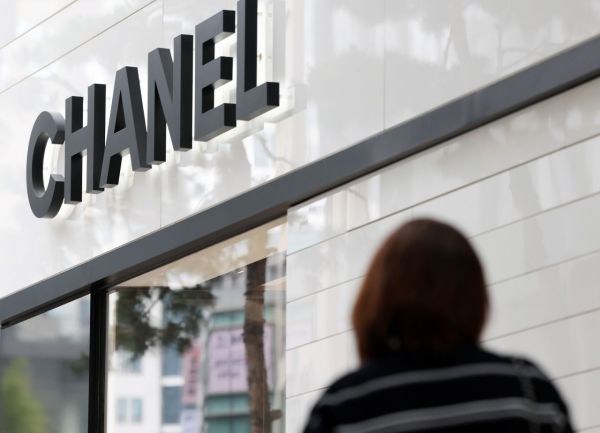
According to SCMP, a joint survey conducted by the Shanghai Advanced Institute of Finance (SAIF) at Shanghai Jiao Tong University and asset management company Charles Schwab surveyed more than 4,500 middle-class individuals in mainland China. Only 28.6% of respondents expressed willingness to purchase luxury goods. This is a sharp decline compared to over 50% who said they would buy luxury goods in the same survey five years ago. The survey targeted middle-class individuals earning between 125,000 and 1 million yuan annually (approximately 22.9 million to 183.3 million KRW) in first- to third-tier cities across the mainland.
The survey report stated, "They prioritize supporting their parents and preparing for potential health issues over luxury consumption," and evaluated that "they focus on safety and sustainability rather than conspicuous consumption."
Tu Guangxiao, Executive Director of SAIF and former Vice Mayor of Shanghai, referred to the surveyed group as "emerging wealthy" and emphasized the importance of their behavior in the current economic situation. Tu explained, "Regardless of the industry they work in, they are a pivotal group," adding, "In a situation where the government is trying to stimulate spending, they also serve as a driving force for consumption promotion."
The willingness to invest has also declined. Only about 18% of respondents held stocks, the lowest level since the survey began in 2017. More than 30% of respondents reported having no investment assets, and cash and fixed deposits accounted for 56% of their asset portfolios.
The criteria for wealth have also lowered. Until 2021, having liquid assets of over 5.06 million yuan was considered "financially wealthy," but in this survey, that amount decreased to 4.23 million yuan.
© The Asia Business Daily(www.asiae.co.kr). All rights reserved.
![Clutching a Stolen Dior Bag, Saying "I Hate Being Poor but Real"... The Grotesque Con of a "Human Knockoff" [Slate]](https://cwcontent.asiae.co.kr/asiaresize/183/2026021902243444107_1771435474.jpg)
















