Vibrio Sepsis Infections from Contaminated Seawater
Dozens of Cases Reported Annually in Korea
Peak in August-September... Attention Needed to Hygiene and Cooking of Seafood
A woman in the United States contracted Vibrio sepsis after eating undercooked fish, resulting in the amputation of her limbs.
KRON4, a regional broadcaster in the San Francisco Bay Area, California, highlighted the story of Laura Barajas, a woman in her 40s living in San Jose, on the 16th (local time).
Barajas ate tilapia fish at a local market in July and contracted Vibrio sepsis as a result. Vibrio sepsis is a disease that spreads in marine ecosystems such as ponds and coastal areas. Consuming contaminated fish can also infect humans.

After an incubation period of 12 to 72 hours, symptoms such as fever, chills, abdominal pain, and vomiting appear. Subsequently, skin conditions such as rashes and blisters accompany the illness. For high-risk patients with underlying conditions (such as alcoholism or diabetes), the fatality rate is extremely high, around 50%.
Barajas was reported to be in critical condition. Later, her friend Anna Messina shared the story on the donation community 'GoFundMe,' stating, "Medical staff induced a coma to treat Barajas. Her fingers, feet, and lower lip all turned black," conveying the severity of the situation.
She added, "Laura fought for her life in the hospital for over a month," and "On September 13, to save Laura's life, all four of her limbs had to be amputated." Currently, the amount donated to Barajas's GoFundMe is $36,000 (approximately 47.9 million KRW).
The U.S. Centers for Disease Control and Prevention (CDC) warns that Vibrio sepsis can be contracted by exposing wounded skin to contaminated seawater or by eating undercooked fish. In the U.S. alone, about 150 to 200 infection cases are reported annually.
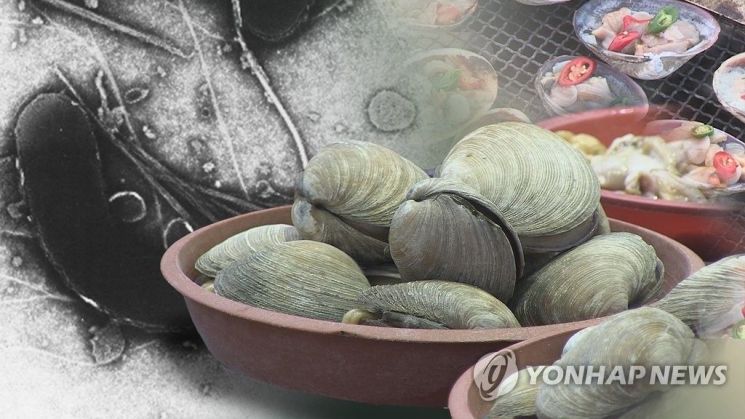 Dozens of Vibrio sepsis infection cases are reported annually in South Korea.
 [Image source=Yonhap News]
In South Korea, the first Vibrio sepsis patient of this year was reported in June. According to the Korea Disease Control and Prevention Agency, the confirmed patient was a man in his 60s who exhibited symptoms such as fever and leg pain.
In South Korea, Vibrio sepsis cases begin to occur around May to June each year. The peak season is from August to September, making the current period the most dangerous. The Korea Disease Control and Prevention Agency emphasizes, "Infection mainly occurs through consuming seafood or contact with seawater when there are wounds on the skin." Last year, 46 cases of Vibrio sepsis were reported domestically, with 18 deaths.
Preventive measures for Vibrio sepsis include △ avoiding contact with seawater if there are wounds on the skin △ storing seafood at temperatures below 5 degrees Celsius and cooking it at temperatures above 85 degrees Celsius △ washing seafood with running tap water instead of seawater during preparation △ disinfecting cutting boards and knives before use △ wearing gloves when handling seafood.
© The Asia Business Daily(www.asiae.co.kr). All rights reserved.


















