Party Birol IEA Secretary-General
The timing for the global peak in fossil fuel demand is expected to be brought forward by several years from the initially anticipated 2030.
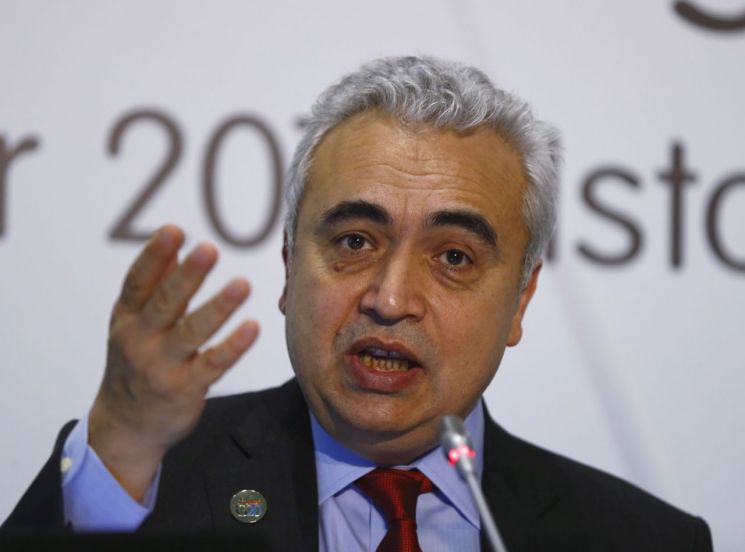 Party Birol, Secretary-General of the International Energy Agency (IEA)
 [Image source=Reuters Yonhap News]
On the 11th (local time), the International Energy Agency (IEA) forecasted that the consumption of the three major fossil fuels?oil, natural gas, and coal?will peak and then decline by the mid-2020s, driven by the rapid growth of renewable energy and the spread of electric vehicles. Previously, the IEA had expected fossil fuel demand to reach its maximum around 2030 and then gradually decrease.
Fatih Birol, the Executive Director of the IEA, described this as a "historic turning point." He stated, "We are witnessing the beginning of the end of the fossil fuel era. This shows that climate policies are working properly. We need to prepare for the next era."
One of the reasons for the decline in fossil fuel demand was attributed to China. Birol diagnosed, "The Chinese economy is undergoing a structural shift from heavy industry to industries and services with lower energy intensity." He added, "China accounted for one-third of the increase in natural gas demand and two-thirds of the increase in oil demand over the past decade," and predicted that "solar, wind, and nuclear power will gradually erode coal demand growth within China."
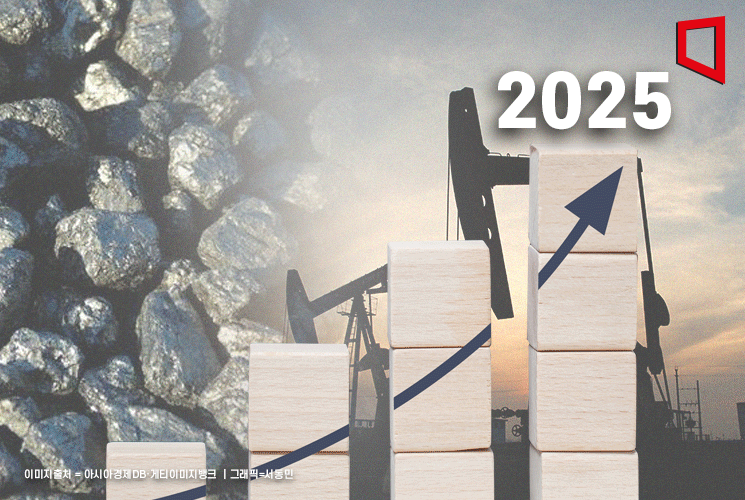
Accordingly, oil and gas companies were urged to appropriately forecast and respond to demand over the next decade. He warned, "New large-scale fossil fuel development projects will not only trigger climate risks but also pose significant financial risks to oil and gas companies."
He also called for policymakers to intensify efforts to accelerate the energy transition and reduce carbon emissions. Currently, governments in the United States, the European Union (EU), and other countries are increasing investments in renewable energy in response to climate change and the energy crisis caused by the war in Ukraine. However, many countries are facing backlash due to cost issues.
Birol said, "We expect carbon emissions to peak by the mid-2020s, but even with additional policies, there is still a long way to go to achieve our climate goals." He emphasized, "If the right new policies are implemented, this process can be accelerated. It all depends on us."
© The Asia Business Daily(www.asiae.co.kr). All rights reserved.
![Clutching a Stolen Dior Bag, Saying "I Hate Being Poor but Real"... The Grotesque Con of a "Human Knockoff" [Slate]](https://cwcontent.asiae.co.kr/asiaresize/183/2026021902243444107_1771435474.jpg)

















