Over 100 SFTS Patients This Year, No Vaccine
Use a Mat When Sitting on Grass Wearing Long Pants
More than 100 patients infected with Severe Fever with Thrombocytopenia Syndrome (SFTS) from tick bites during outdoor activities such as hiking, farming, and grass cutting have been reported this year alone.
SFTS, a third-class infectious disease, has no preventive vaccine or treatment, and can be fatal in severe cases, so special caution is required.
According to the Korea Disease Control and Prevention Agency on the 9th, three new SFTS patients were added last week (August 27 to September 2), bringing the total confirmed cases this year to 108. Among them, 19 have died, resulting in a fatality rate of 17.6%.
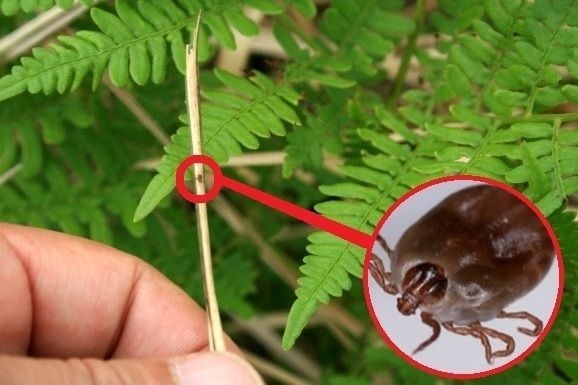
Among the 108 patients this year, 65 were women, accounting for 60%. The average age was 68.4 years, with patients in their 60s making up 32.4%. By region, the highest number of patients were in Gyeonggi (14), Gyeongbuk (13), Gyeongnam (12), and Jeonbuk and Jeonnam (10 each).
Among 104 patients whose epidemiological investigations were completed, the most common presumed infection factor was gardening (40 cases), followed by one-time outdoor activities (24 cases), farming (21 cases), and wild plant harvesting (11 cases).
SFTS is transmitted by bites from ticks infected with the virus. It mainly occurs from April to November. After a tick bite, there is an incubation period of 5 to 14 days, followed by high fever over 38 degrees Celsius and gastrointestinal symptoms.
Since it was first discovered in Korea in 2013, a total of 1,697 patients have been reported up to last year, with 317 deaths. The cumulative fatality rate is 18.7%.
The problem is that there is no preventive vaccine or treatment for SFTS. Ultimately, avoiding tick bites is the best measure.
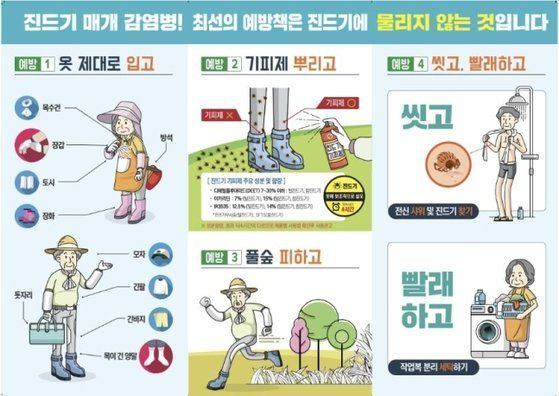
Therefore, when engaging in outdoor activities such as farming, it is important to wear long-sleeved clothes and long pants, tuck pants into socks, and minimize skin exposure. When sitting on grass, use a mat, and avoid mountain trails off the designated hiking paths.
Also, follow preventive measures such as washing clothes and showering immediately after returning home. Using tick repellents can also be helpful.
If suspicious symptoms (fever, chills, muscle pain, vomiting, diarrhea, rash, scabs, etc.) occur within three weeks after outdoor activities, visit a medical institution, inform them of any tick bites and outdoor activity history, and receive treatment.
Another major tick-borne infectious disease to be cautious of in autumn is Tsutsugamushi disease. Tsutsugamushi disease occurs after being bitten by larvae of chigger mites carrying the Orientia tsutsugamushi bacteria. There are eight species of chigger mites that act as vectors.
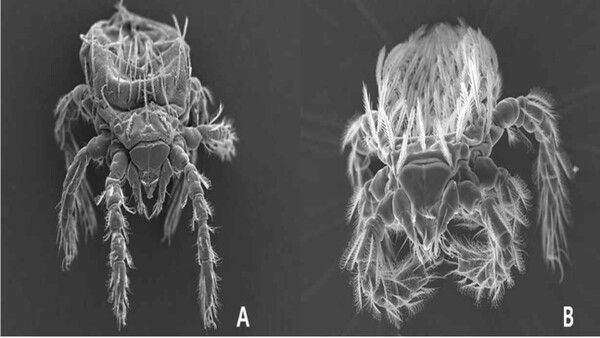 Hairy tick carrying Tsutsugamushi bacteria. [Photo courtesy of Korea Disease Control and Prevention Agency]
The larvae of these chigger mites increase from late September to early October in early autumn and peak in late October in late autumn.
The Korea Disease Control and Prevention Agency plans to collect samples from rice paddies, fields, waterways, and grasslands where people may come into contact with chigger mites, and publish the results weekly on the agency’s website.
© The Asia Business Daily(www.asiae.co.kr). All rights reserved.



















