Amid growing public concerns over the discharge of contaminated water from the Fukushima nuclear power plant in Japan and its impact on Japanese seafood imports, a number of sashimi restaurants and other businesses have been caught selling Japanese seafood as domestic products.
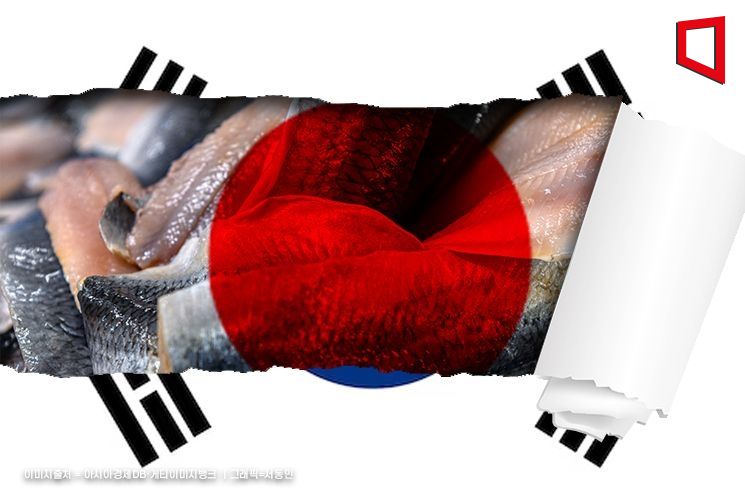
On the 6th, Incheon Special Judicial Police announced that, in cooperation with the National Fishery Products Quality Management Service and district authorities, they conducted a special crackdown from the 14th of last month to the 1st of this month, targeting over 800 seafood sales businesses such as fish markets and sashimi restaurants in the Incheon area, and identified 11 establishments violating origin labeling regulations.
Three sashimi restaurants, including A Seafood, falsely labeled live scallops and live red sea bream from Japan as domestic products while storing and selling them in aquariums. One franchise company, B, was found to have labeled Peruvian eel as domestic, and also falsely labeled the origin of imported seafood such as spotted crabs and red flatfish as other countries.
Additionally, six seafood sales businesses in C Fish Market were caught selling Japanese live red sea bream and other imported seafood without indicating their origin. One aquaculture company, D Seafood, was also caught illegally farming whiteleg shrimp without authorization.
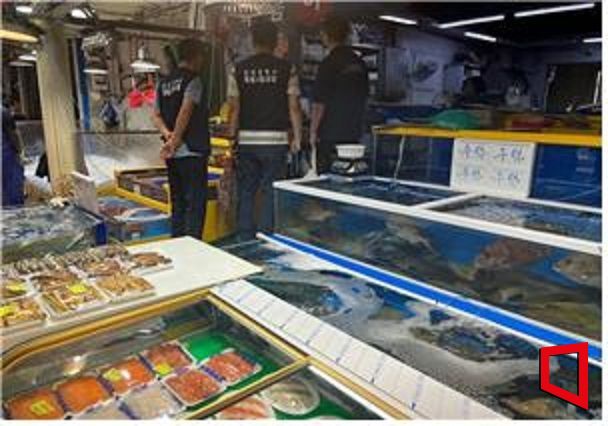 Incheon City Special Judicial Police are conducting special crackdowns on seafood sellers, including fish markets and sashimi restaurants, for violations such as mislabeling the origin of products.
 [Photo by Incheon City]
According to the "Act on the Labeling of Origin of Agricultural and Fishery Products," anyone who falsely labels the origin of agricultural or fishery products or uses misleading labels may face imprisonment of up to seven years or a fine of up to 100 million won. Failure to label the origin can result in fines ranging from 50,000 won to a maximum of 10 million won, depending on the severity of the violation.
The Incheon Special Judicial Police plan to investigate and refer five businesses caught for false origin labeling and unauthorized aquaculture to the prosecution. Additionally, six businesses that deliberately failed to label the origin have been subjected to administrative penalties (fines).
© The Asia Business Daily(www.asiae.co.kr). All rights reserved.
![Clutching a Stolen Dior Bag, Saying "I Hate Being Poor but Real"... The Grotesque Con of a "Human Knockoff" [Slate]](https://cwcontent.asiae.co.kr/asiaresize/183/2026021902243444107_1771435474.jpg)












