Sleep tech company A-Sleep's sleep apnea diagnostic aid device 'Apnotrack' and cancer diagnostic test software developed by ExoPert have been designated as innovative medical devices.
The Ministry of Food and Drug Safety announced on the 31st that the two devices were designated as the 43rd and 44th innovative medical devices, respectively.
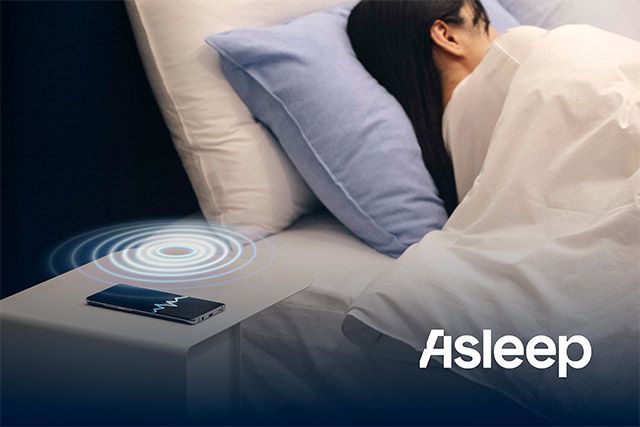
A-Sleep's Apnotrack is a medical device that supports the diagnosis of sleep apnea, including obstructive sleep apnea, by recording breathing sounds during micro-sleep using the microphone of smartphones or tablet PCs based on an artificial intelligence (AI) model, analyzing breathing patterns such as apnea and hypopnea indices. A Ministry of Food and Drug Safety official explained, "It was designated as an innovative medical device in recognition of its technological innovation as the first product in Korea."
Apnotrack can measure anywhere inside the bedroom, and provides analysis results when sleep state is recorded for at least 20 minutes using the microphone of a smartphone or similar device. This allows users to check symptoms of sleep apnea at home without visiting a hospital or purchasing separate equipment. A-Sleep stated that Apnotrack demonstrated a sensitivity of 85% and specificity of 84% in determining the severity of sleep apnea and hypopnea.
An A-Sleep representative said, “The designation of Apnotrack as an innovative medical device is a new case of a sleep disorder diagnostic aid device based on AI technology,” and added, “Based on this designation, we will complete approval quickly through priority review and actively enter not only the domestic market but also overseas markets.”
The cancer diagnostic test software developed by ExoPert supports lung cancer diagnosis by spectroscopically analyzing exosomes in the blood. Exosomes are nano-sized biological particles secreted by cells that contain biological and genetic information materials such as specific proteins and ribonucleic acid (RNA). In particular, exosomes derived from cancer cells exhibit spectroscopic signals that distinguish them from exosomes derived from normal cells, and this information is analyzed by AI to provide information on lung cancer risk.
© The Asia Business Daily(www.asiae.co.kr). All rights reserved.
![Clutching a Stolen Dior Bag, Saying "I Hate Being Poor but Real"... The Grotesque Con of a "Human Knockoff" [Slate]](https://cwcontent.asiae.co.kr/asiaresize/183/2026021902243444107_1771435474.jpg)
















