Targeting 1,334 Vendors Handling 20 Items Over 100 Days
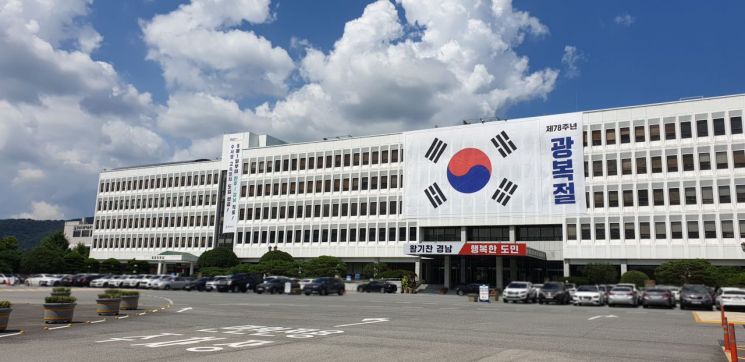
Gyeongsangnam-do will conduct a second comprehensive inspection targeting 1,334 businesses handling Japanese seafood within the province for 100 days from the 28th until December 5.
According to Gyeongsangnam-do, during the first special inspection conducted from May 1 to June 30, three cases of seafood origin non-disclosure were detected and fines were imposed.
This second inspection will be carried out jointly with the provincial government, city and county authorities, the coast guard, and honorary inspectors, with separate inspection teams formed and operated by each city and county.
The main focus of the inspection will be on live red sea bream, live scallops, and live sea squirts (meongge), which have had high import volumes and frequent origin violations over the past three years.
Twenty types of seafood subject to origin labeling in restaurants, including flatfish, rockfish, red sea bream, loach, eel, octopus, pollock, mackerel, hairtail, squid, blue crab, croaker, tuna, anglerfish, and webfoot octopus, will also be checked for compliance with the origin labeling law, including false labeling and non-disclosure.
From July this year, additional designated items include sea squirts (meongge), yellowtail, scallops, abalone, and flatfish.
Gyeongsangnam-do announced that due to growing public concern over seafood consumption following the discharge of contaminated water from the Fukushima nuclear power plant in Japan, a special inspection on origin labeling of imported seafood, including Japanese products, will be implemented.
During regular crackdowns such as the Chuseok holiday and kimchi-making season, inspections will continue focusing on Japanese imported seafood items whose import and consumption increase during these periods.
Yun Hwan-gil, Director of the Marine and Port Department, stated, “This special inspection focuses on alleviating residents’ concerns about the Fukushima nuclear power plant contaminated water discharge and aims to establish a seafood distribution system that residents can trust and consume safely.” He added, “We will continuously secure residents’ trust in seafood through thorough origin labeling inspections and management.”
© The Asia Business Daily(www.asiae.co.kr). All rights reserved.
![Clutching a Stolen Dior Bag, Saying "I Hate Being Poor but Real"... The Grotesque Con of a "Human Knockoff" [Slate]](https://cwcontent.asiae.co.kr/asiaresize/183/2026021902243444107_1771435474.jpg)
















