First Paid Subscription Decision in 6 Years
Due to Hundreds of Billions in Accumulated Losses
Monthly Subscription Fee of 1,000 KRW "Minimum Measure"
Digital Healthcare Business Still Struggling to Profit
Industry Hopes It Becomes a Success Story
The application (app) 'Ddokdak,' which played a role in resolving the 'pediatric care crisis' through a convenient hospital reception service, is transitioning to a paid model. Ddokdak is an app that informs users of the real-time number of waiting patients at hospitals and clinics such as pediatrics and otolaryngology and assists with reception and reservations. It quickly gained popularity among mom cafes, becoming the number one hospital reservation and reception app with 10 million cumulative subscribers and 1 million monthly active users (MAU) without any separate marketing. However, it could not overcome hundreds of billions of won in accumulated losses over 2 to 3 years. This is the reason for switching to a paid model six years after its launch in 2017.
To use Ddokdak's hospital reception and reservation services, users must pay a subscription fee of 1,000 KRW per month or 10,000 KRW annually starting from the 5th of next month. Services such as hospital search and real-time waiting number checks will remain free to use as before.
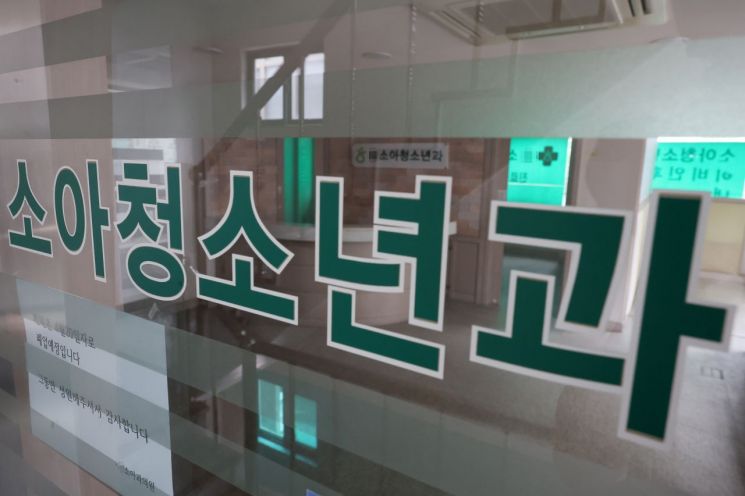
Ddokdak is regarded as an indispensable app among parents raising children. After COVID-19 quarantine measures were eased last year, respiratory infectious diseases such as influenza and respiratory syncytial virus (RSV) have been prevalent among infants and young children since that winter. While pediatric hospitals are insufficient and patients are increasingly crowded, Ddokdak has alleviated the hassle known as the 'pediatric open run.' Some mom cafe members have expressed regret over the sudden announcement of the paid service.
The operator of Ddokdak, Vibros, is experiencing operational difficulties. The accumulated deficit exceeds 20 billion KRW. In 2021, losses amounted to 6.5 billion KRW, and last year, the deficit widened to between 7 and 8 billion KRW. A Vibros representative said, "This year, the deficit is expected to increase even more." Considering Vibros's sales of 2.1 billion KRW last year, this is not a manageable deficit scale.
Until 2019, Ddokdak generated annual revenue of 3 to 4 billion KRW through in-app medical advertisements but discontinued this due to potential violations of medical laws. Last year, it had to cease its hospital kiosk sales business. Due to the impact of interest rate hikes and other factors, attracting investment in the digital healthcare business has also become difficult.
In an era where delivery fees cost 3,000 to 4,000 KRW, covering deficits through a paid model of 1,000 KRW per month is not easy. There may be many 'cherry pickers' who only check the real-time number of hospital reservations through the app and then call directly to make the reception without purchasing the subscription. It is also uncertain whether the number of subscribers will meet expectations.
A Vibros representative explained, "We set the fee at the minimum amount that Ddokdak users can understand, and we do not expect to generate significant profits through this," adding, "This is a measure to minimize the deficit during the investment cooling period and buy time to sustain the service for a long period."
The digital healthcare industry is supporting Ddokdak's move. Although the digital healthcare market is growing globally, it is still difficult to generate profits in South Korea. While non-face-to-face medical care emerged as a result of COVID-19, many companies are leaving the market due to legal and regulatory barriers.
An industry insider said, "The success of Ddokdak's transition to a paid model of 1,000 KRW per month will ultimately serve as a gauge of whether the domestic digital healthcare market has market potential," adding, "The industry, which is struggling to generate profits, hopes that Ddokdak's goal will be well established."
© The Asia Business Daily(www.asiae.co.kr). All rights reserved.
![Clutching a Stolen Dior Bag, Saying "I Hate Being Poor but Real"... The Grotesque Con of a "Human Knockoff" [Slate]](https://cwcontent.asiae.co.kr/asiaresize/183/2026021902243444107_1771435474.jpg)
















