Operation of Intensive Discovery Period for ‘AI Check-in Service’ Target Households Until the End of This Month, Aiming to Discover 400 Additional Cases
AI Monitoring Center Makes Weekly Automated Calls to Check on Well-being, Analyzes Call Content, and Connects Welfare Resources through Responsible Staff
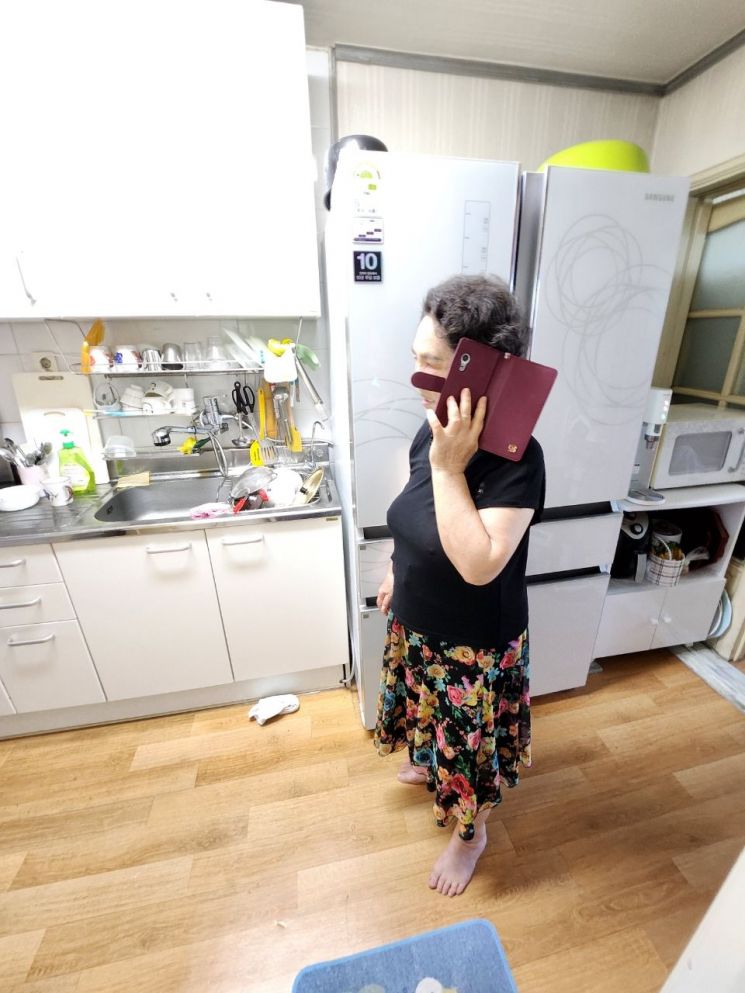
Yangcheon-gu (Mayor Lee Gi-jae) announced that it will significantly expand the number of target households for the ‘Artificial Intelligence (AI) Check-in Service’ from about 200 to 600 by the end of this month, aiming to prevent solitary deaths through life management and continuous well-being checks of socially isolated households.
The ‘Artificial Intelligence (AI) Check-in Service’ is a system where the check-in system (AI Monitoring Center) makes automated calls once a week to ask about exercise, health, meal status, and other well-being matters, automatically analyzes the call content, and delivers and manages the information to the district office and the responsible staff in the neighborhood office. The neighborhood staff then assesses the needs of the target individuals based on the analyzed call data and connects them to necessary welfare services and resources.
The district plans to expand the scope of service targets with the goal of discovering approximately 400 additional socially isolated households by the end of this month, the intensive promotion period. The first priority for discovery is isolated households identified in last year’s survey of housing-vulnerable middle-aged single-person households; the second priority is households classified by this year’s annual monitoring crisis level (high, medium, low risk groups); and the third priority is households deemed by welfare planners to require well-being checks, thereby broadening the welfare safety net.
The ‘Artificial Intelligence (AI) Check-in Service’ was first introduced in the district in October last year, and so far, ▲the cumulative number of call recipients is 4,945 ▲the cumulative number of call attempts is 6,604 ▲and the cumulative call time is 64 hours and 36 minutes, showing an average call success rate of 76%. In addition, the district conducts immediate on-site checks for households that do not answer calls, focusing on eliminating welfare blind spots.
User satisfaction is also very high. In May, in Sinwol 5-dong, an elderly person with mobility difficulties who responded to the AI automated call saying, “I am sick and want to have surgery,” was promptly connected to a hospital and referred for surgery, with medical expenses and hospital accompaniment support services provided.
Lee Gi-jae, Mayor of Yangcheon-gu, said, “To prevent the increasing problems of social isolation and solitary deaths, we aim to closely fill welfare blind spots through the intensive discovery period for at-risk households.” He added, “The interest of residents plays a significant role in discovery, so if you know of neighbors in difficulty, please do not hesitate to inform the nearest neighborhood community center or district office.”
© The Asia Business Daily(www.asiae.co.kr). All rights reserved.

















