Multinational Companies Rapidly Adopt AI Chatbots
'Generative Artificial Intelligence (AI)' technology is rapidly penetrating supply chain management in multinational corporations. Amid the diversification of uncertainties threatening supply chain stability, such as geopolitical variables, climate change, and human rights issues, AI technology that processes complex calculations instantly is increasingly replacing traditional supply chain management.
According to major foreign media on the 13th (local time), Walmart, the largest retailer in the United States, recently deployed an AI chatbot service developed by 'Pactum,' an AI-based supply chain management software company, in its purchasing operations. This expands AI technology, which was previously focused on service areas such as customer preference analysis and experience improvement, into tasks like product purchasing negotiations and pricing.
Maersk, the world's number one shipping company, also invested $20 million (approximately 26.6 billion KRW) in Pactum at the end of last year to expand AI collaboration. The shipping and logistics sector is one of the most proactive fields in adopting generative AI technology. Due to the industry's nature, which requires managing numerous unexpected variables such as frequent factory shutdowns, shipments, and customs, the use of AI to predict and control these variables is increasing. According to a survey conducted earlier this month by freight information company Freightos targeting 55 executives from global logistics companies, up to 96% of global supply chain experts responded that they have already adopted or plan to adopt generative AI technology.
Currently, Pactum is conducting supply chain-related negotiations worth up to $1 million on behalf of Fortune 500 companies. Kaspar Korjus, co-founder of Pactum, said, "Our AI chatbot service drastically reduces the time spent contacting and responding to tens of thousands of suppliers in situations where geopolitical variables such as the COVID-19 pandemic and the Ukraine war continuously emerge."
Foreign media evaluated that as the decoupling strategy from China, which threatens supply chain stability, expands and issues related to climate change compliance and human rights rapidly emerge, generative AI is playing a key role in managing increasingly complex supply chain risks.
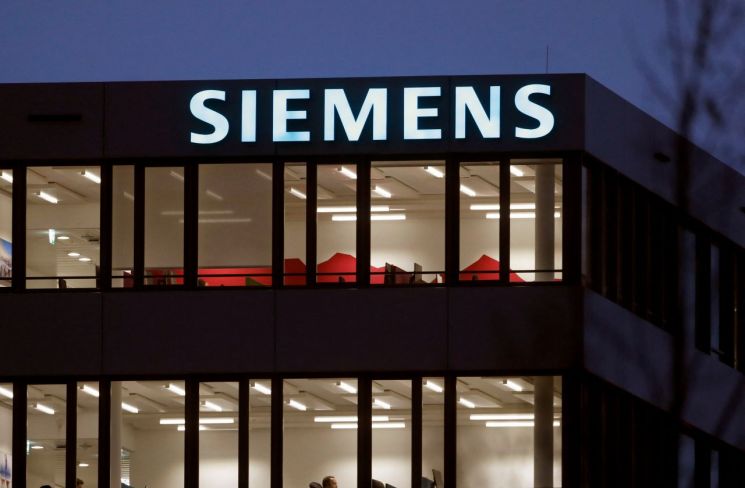
Some companies are adopting generative AI technology to reduce supply chain risks related to China. German Siemens and British Unilever are automating the task of finding new supply chains to replace Chinese companies with labor rights issues by utilizing the AI chatbot service of German AI startup Scoutbee. Having faced significant pressure from supply chain disruptions originating in China during the COVID-19 pandemic, these companies are accelerating supply chain de-Chinaization using generative AI technology.
Foreign media noted, "After China's reopening (economic restart), logistics delays and supply chain disruptions have somewhat eased, but bottlenecks in raw materials and parts supply continue to pressure production," and predicted, "More companies will accelerate the adoption of generative AI to reduce dependence on Chinese suppliers."
Foreign media also forecast that mandatory human rights due diligence legislation for global supply chains will further accelerate the adoption of generative AI. The UK and France introduced this legislation in 2015 and 2017 respectively, and Germany has been enforcing it since early this year. This legislation, targeting not only domestic companies but also foreign multinational corporations operating within the country, requires managing factors that negatively affect labor rights and environmental issues of direct and indirect suppliers, and imposes fines based on sales revenue on companies that violate these regulations.
© The Asia Business Daily(www.asiae.co.kr). All rights reserved.
![Clutching a Stolen Dior Bag, Saying "I Hate Being Poor but Real"... The Grotesque Con of a "Human Knockoff" [Slate]](https://cwcontent.asiae.co.kr/asiaresize/183/2026021902243444107_1771435474.jpg)











