Seongdong-gu Significantly Expands Sustainable Development Zone in Seongsu-dong Area
Management Area Expanded 8.6 Times to Proactively Address Gentrification in Seongsu-dong
Seongdong-gu Plans Detailed Measures Including Restrictions on Large Corporations and Franchise Entries and Incentives for Floor Area Ratio Relaxation
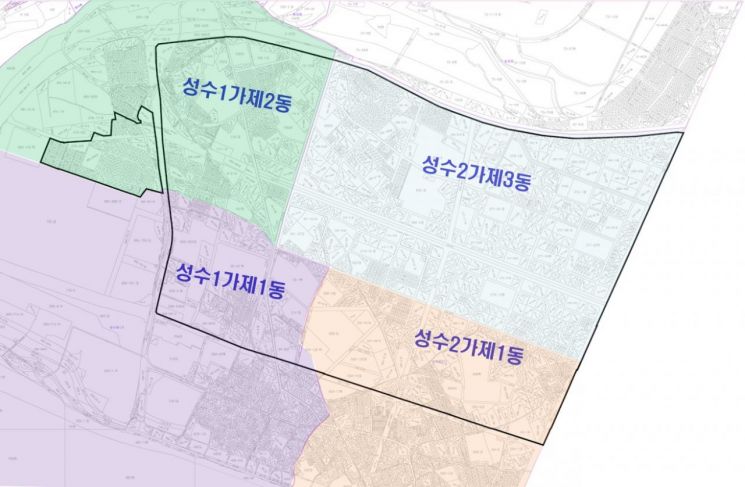
Seongdong-gu (Mayor Jung Won-oh) will significantly expand the previously designated 'Sustainable Development Zone' from the Seoul Forest-gil and Sangwon-gil areas to cover the entire Seongsu-dong area to protect the local commercial district.
At the same time as designating Seongsu-dong as a Sustainable Development Zone, the district plans to establish and implement a sustainable development plan that includes strategies to prevent gentrification and promote mutual cooperation within the local community.
Expansion of Policy Target Area as Part of Gentrification Prevention Policy 2.0
Seongdong-gu was the first in the nation to introduce a gentrification prevention policy centered on Seongsu-dong back in 2015, when the term 'gentrification' was still unfamiliar. The district enacted a gentrification prevention ordinance, established a dedicated organization, and designated Seoul Forest-gil, Bangsongdae-gil, and Sangwon-gil as Sustainable Development Zones. Since then, it has led various initiatives such as restricting new entries of large corporations and franchise stores in these zones and offering floor area ratio relaxations in exchange for rent stabilization agreements during new construction or expansion of buildings, thereby preserving the local character and contributing to rent stability.
According to a 2021 research study on the Sustainable Development Zone and Seongsu Cafe Street commercial lease conditions conducted by Seongdong-gu, the 'win-win agreements' signed between landlords and tenants, although voluntary and without legal binding force, were found to contribute to rent stabilization. Businesses that signed the agreements showed lower average rent per pyeong, lower rent increase rates, and lower average converted deposit amounts compared to those that did not sign. The average business duration was also longer for signatories at 79 months versus 52 months for non-signatories.
Although the gentrification prevention policy centered on the Sustainable Development Zone has been successfully established, signs of gentrification have appeared throughout Seongsu-dong, including Seongsu Station and Yeonmujang-gil, necessitating a response. Accordingly, Seongdong-gu announced 'Gentrification Prevention Policy 2.0' in February, marking a step forward from the previous policy.
Seongdong-gu has actively begun expanding the spatial scope of the target area, a key pillar of this policy. To accurately assess the expansion area, the district analyzed big data on the Seongsu-dong commercial district for two months starting May 2023. The investigation revealed that Seongdong-gu recorded the highest rent increase rate among Seoul's autonomous districts in 2022, with a 42% rise compared to 2020. Within Seongdong-gu, Seongsu-dong had the highest rent increase rate.
Additionally, using the gentrification indicators (based on the 2019 Korea Research Institute for Human Settlements Gentrification Diagnosis Index), the district analyzed the progression stages annually from 2019 to 2022, finding an increasing trend in caution and warning stages of gentrification. This contrasted with other commercial districts that contracted during the COVID-19 pandemic.
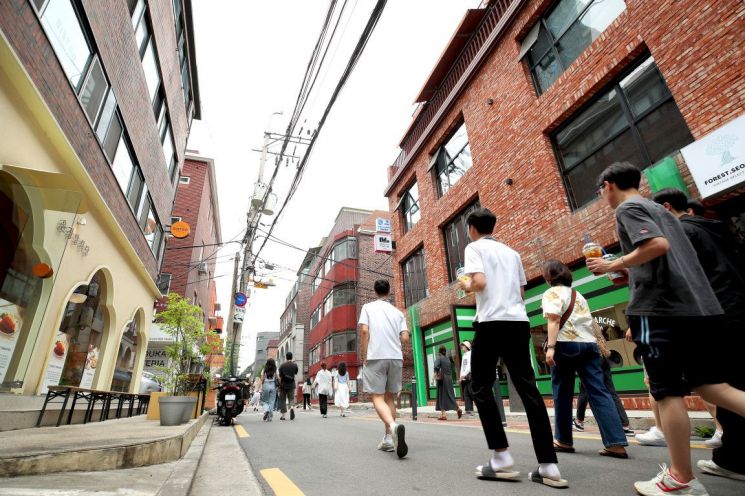
Expansion of Sustainable Development Zone and Six Major Management Strategies
Seongdong-gu plans to expand the Sustainable Development Zone by 8.6 times its original size, designating most of Seongsu-dong except for the Seongsu Strategic Maintenance Zone and upcoming apartment complexes. After completing the review by the Local Community Mutual Cooperation Committee at the end of July, the district is currently conducting a public notice to gather residents' opinions and expects to officially announce the designation as early as early August.
To ensure efficient operation and feasibility of the policy, the district aligned the Sustainable Development Zone boundaries with the gentrification prevention strategy areas within Seongsu-dong’s urban plans, including the Ttukseom Surrounding Area District Unit Plan, Seongsu IT Industry and Distribution Development Promotion District Unit Plan, and the draft Seongsu General Industrial District Unit Plan.
Seongdong-gu’s Sustainable Development Zone management strategies consist of six main points: encouraging win-win agreements among landlords, tenants, and the district; setting zones restricting entry of large corporations and franchise stores; and establishing zones where floor area ratio relaxations are linked to rent stabilization agreements in coordination with district unit plans. The sustainable development plan, which must be established and implemented to foster mutual cooperation among residents and maintain the local community ecosystem within the designated zone, will detail these management strategies.
Jung Won-oh, Mayor of Seongdong-gu, stated, "Seongsu-dong has become a bona fide hot place with its unique geographical and cultural characteristics and holds infinite potential for the future. Seongdong-gu aims to achieve balanced development of Seongsu-dong while creating a stable business environment and a cooperative ecosystem, making Seongsu-dong a beloved area full of individuality and charm for many people for a long time to come."
© The Asia Business Daily(www.asiae.co.kr). All rights reserved.


















