Manual Entry Taking 2 Hours for Port Logistics
AI System Introduced to Reduce Time to 10 Minutes
Green Certification Validity Extended by 1-2 Years
The port logistics input time, which used to take about 2 hours, has been reduced to 10 minutes. Shipping agency employees had to manually write down crew and passenger information every time a ship entered or left the port, causing much inconvenience, but this is the result of introducing an artificial intelligence (AI) system. Companies have extended the validity periods of performance, excellent product, and green certifications, which they must regularly obtain, by 1 to 2 years, saving approximately 11.2 billion KRW in certification re-examination and testing costs.
The Regulatory Innovation Promotion Team of the Office for Government Policy Coordination announced on the 31st the regulatory improvement achievements it has made so far to revitalize the economy, commemorating its first anniversary. The Regulatory Innovation Promotion Team was organized by Prime Minister Han Deok-su, who took care of everything from organizational planning to recruiting advisory members. It is mostly composed of former officials and has focused on improving complex regulations from other ministries with intertwined interests.
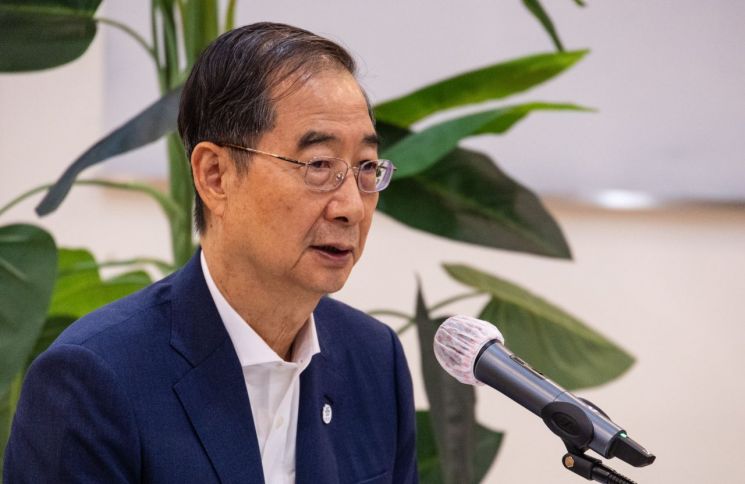
The main members include 18 senior officials (level 1-2) from central government ministries, 46 mid-level officials (level 3-4), 4 senior officials from local governments, and 2 mid-level officials. Additionally, 15 former officials with expertise in regulations related to new industries such as ICT, environment, and small and medium ventures were added. Under the motto "Those who create regulations solve them best," the team gathered the know-how of bureaucrats from various fields on which parts of the regulations they had long worked on needed improvement.
The Promotion Team revised regulations so that subsidies would be provided based on "sales by industry" after noticing a side effect where small and medium enterprises avoided hiring more than 50 regular employees to prevent subsidy cuts. They also made it possible to receive vocational training at nearby universities. National universities were allowed to establish educational and research facilities outside their main locations to promote customized workforce development. As a result, the number of vocational training courses increased from 121 courses at 31 universities in 2022 to 170 courses at 41 universities.
The Office for Government Policy Coordination stated that, centered on Prime Minister Han, a total of 18 plenary meetings, 33 ministerial-level advisory members from former officials, research institutes, and economic organizations, and 561 field visits were conducted to prepare these improvement measures.
In its second year, the Promotion Team plans to focus on ▲ revising foreigner regulations to respond to the population crisis and boost economic vitality ▲ improving the shared accommodation system ▲ revitalizing the game industry. Additionally, it will work on ▲ improving public software regulations ▲ deregulating to improve the international tourism balance ▲ strengthening the competitiveness of local universities ▲ rationalizing various impact assessments ▲ responding to the super-aged society and local extinction ▲ and improving the new medical technology evaluation system.
© The Asia Business Daily(www.asiae.co.kr). All rights reserved.

















