CU, Zero Beverage Sales Up 37.3%
Low Risk of Overconsumption
Distribution and Food Industries Seek Alternatives
Although the World Health Organization (WHO) has classified aspartame as a possible carcinogen (Group 2B), sales of zero-calorie beverages and Makgeolli at large supermarkets and convenience stores have actually increased. However, the distribution and food industries are closely monitoring market reactions and have begun searching for alternative ingredients.
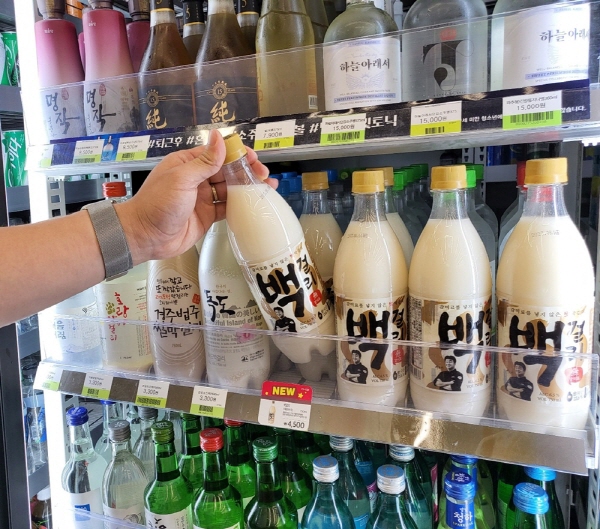
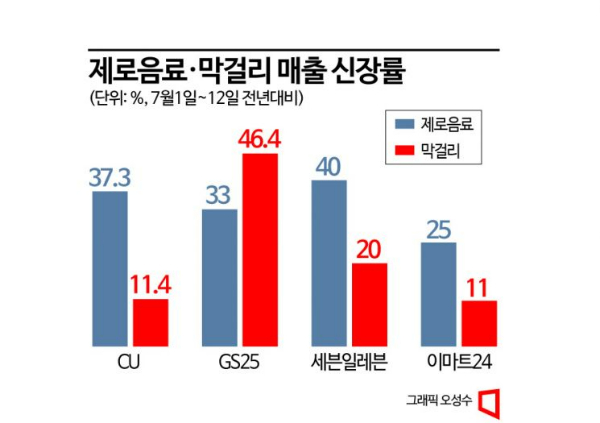
According to CU on the 15th, sales of zero-calorie beverages increased by 37.3% and Makgeolli by 11.4% from the 1st to the 12th of this month compared to the previous year. During the same period, GS25 saw zero-calorie beverage sales rise by 33% and Makgeolli by 46.4%. At 7-Eleven, zero-calorie beverage sales grew by 40%, and Makgeolli by 20%. At Emart24, zero-calorie beverage sales increased by 25%, and Makgeolli by 11%. Sales at Emart, Lotte Mart, and Homeplus were similar to last year or showed only slight decreases.
Aspartame is a sweetener that is 200 times sweeter than sugar. The International Agency for Research on Cancer (IARC), under the WHO, classified aspartame as a Group 2B possible carcinogen and reaffirmed the acceptable daily intake at 40 mg per kilogram of body weight. Group 2B also includes pickled vegetables such as kimchi and pickles, which have possible carcinogenicity but insufficient evidence.
Consumers do not seem to be significantly shaken by the aspartame controversy at the moment. To exceed the acceptable daily intake, a 70 kg adult would have to drink more than 9 to 14 cans per day of beverages containing 200 to 300 mg of aspartame per can. Since the possibility of excessive aspartame intake is practically very low, concerns are considered excessive.
The distribution and food industries are on high alert to market reactions and have started looking for alternative ingredients to aspartame. With the zero-calorie beverage market growing recently, there is concern that aspartame-containing products might be rejected by consumers. Emart has begun discussions with manufacturers to replace aspartame in its private brand (PB) products with other ingredients. CU has launched Makgeolli products without aspartame and is preparing additional products. Orion has proactively started ingredient replacement, and Crown Confectionery is testing alternative sweeteners.
The alternative sweetener market continues to maintain steady growth. According to market research firm Statista, the global artificial sweetener market size was approximately $22 billion (about 28.3866 trillion KRW) last year. The artificial sweetener market, which was around $17.4 billion (about 22.4512 trillion KRW) in 2018, has grown by more than 25% over four years until last year, and with the growth of the zero-sugar food market, the artificial sweetener market is expected to reach $33.8 billion (about 43.6121 trillion KRW) by 2028.
A distribution industry official said, “We are closely monitoring domestic and international institutions and industry trends related to aspartame and are establishing countermeasures. We are reviewing aspartame alternatives and planning to apply them as soon as possible.”
© The Asia Business Daily(www.asiae.co.kr). All rights reserved.
![Clutching a Stolen Dior Bag, Saying "I Hate Being Poor but Real"... The Grotesque Con of a "Human Knockoff" [Slate]](https://cwcontent.asiae.co.kr/asiaresize/183/2026021902243444107_1771435474.jpg)












