Seoul Bus Fare Increase After 8 Years
8 Won in 1965... Over 180 Times Higher
30 Won for Subway in 1974... Similar Increase to Bus Fare
The news that bus fares for Seoul citizens will increase by 300 won is like a bolt from the blue for the common people. For some, 300 won may be a small amount, but for those who use the bus daily, it is a considerable burden. On early morning commutes when the subway is not running, the common people have to rely on city buses and village buses to get to work.
From October, subway fares will also increase by 150 won, from the current 1,250 won to 1,400 won. Fares for express, late-night, and village buses will also rise by up to 700 won. Although we live in an era where a bowl of gukbap costs 10,000 won, the increase in public transportation fares further deepens the shadow of soaring living costs for the common people.
The increase in Seoul's public transportation fares is the first in 8 years and 1 month since June 2015. Raising bus and subway fares is not an easy decision. Since many common people use public transportation daily, the burden of fare increases is felt more acutely compared to other items.
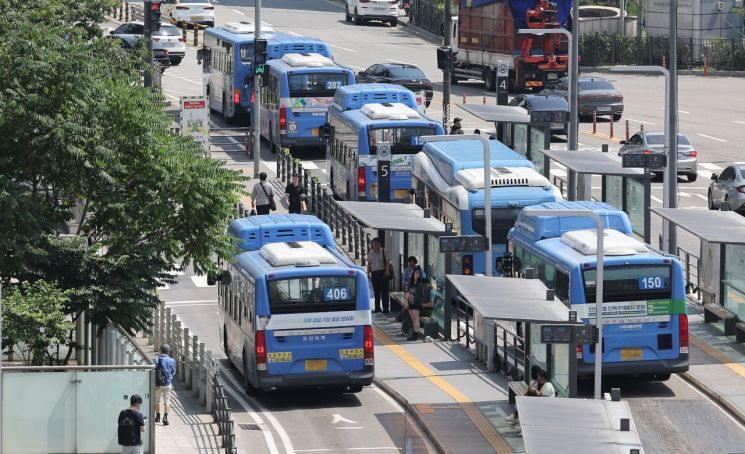
What were bus fares like in the past? How many people know that the bus fare they will pay from now on has increased more than 180 times compared to the 1960s? The bus fare of 1,500 won, which will be applied from August, is 187.5 times higher than the 8 won city bus fare in 1965, when the currency unit was unified to the won.
Bus fares rose to 15?80 won in the 1970s and remained below 200 won until the 1980s. In the 1990s, fares increased more significantly, reaching 500 won in 1998.
In the 2000s, fares rose even more sharply. They increased by 100 won every 1 to 3 years, reaching 900 won in 2007, and then increased by 150 won increments to 1,050 won in 2012 and 1,200 won in 2015.
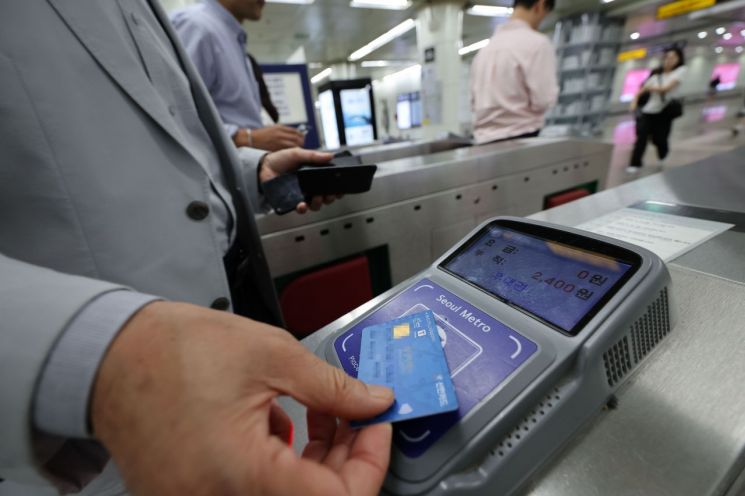
Subway fares were 30 won when Seoul Subway Line 1 first opened in 1974. They increased to 200 won in 1986 and 250 won in 1990, then matched bus fares at 600 won in 2000. Until the 2012 fare increase, subway fares and their increments were the same as bus fares. From the 2015 increase, fares rose by 200 won to 1,250 won.
As bus fares increased and times changed, the payment methods also evolved. From the 1970s to the 1990s, 'tokens' and 'coupon tickets' were widely used to pay bus fares. To avoid the hassle of paying cash and receiving change when boarding, passengers would buy tickets in advance before boarding to reduce inconvenience.
Then, with the introduction of transportation cards in 1996, the use of tokens and coupon tickets naturally declined, and from the 2000s, both cards and cash became commonly accepted. Currently, the usage rate of bus transportation cards is 99%, and the number of 'cashless bus operation' routes is gradually expanding.
For subways and trains, since the opening of Seoul Subway Line 1, paper tickets were used for about 34 years. However, as usage gradually declined, the paper ticket system was discontinued from 2009. Currently, passengers pay a deposit (500 won) and receive a single-use subway transportation card.
© The Asia Business Daily(www.asiae.co.kr). All rights reserved.


















