The possibility of a strike has increased as wage negotiations between the largest U.S. delivery company UPS and its labor union have broken down.
The Washington Post (WP) reported on the 5th (local time) that UPS and the Teamsters union had been engaged in marathon negotiations until the Independence Day holiday, but ended with both sides blaming each other for giving up first.
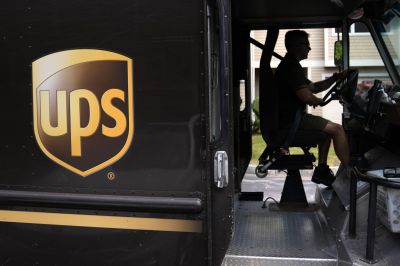
The Teamsters stated in a press release, "UPS left the negotiation table after presenting an unacceptable offer that fell short of the union's demands around 4 a.m." This proposal was unanimously rejected by the union's bargaining committee.
Sean O'Brien, leader of the Teamsters, held the company responsible, saying, "UPS had options but clearly chose the wrong path." The Teamsters represent about 340,000 UPS workers, more than half of whom are truck drivers and package handlers. Union members had already overwhelmingly approved a strike if negotiations were not concluded by the deadline last month.
On the other hand, the company claims that the union was the first to halt negotiations despite about a month remaining until the deadline. UPS also issued a separate statement saying, "Despite UPS making a historic offer that exceeds industry-leading standards, the Teamsters stopped negotiations," and urged the union to return to the table, stating, "We have not backed down. The union has a responsibility to remain at the table."
As of now, no new negotiation plans between labor and management have been confirmed. WP pointed out that it is unclear exactly which issues need to be resolved. Besides wage increases and compensation, key points of contention in the negotiations include the creation of full-time jobs and reliance on low-wage delivery drivers. The union criticizes the company's proposed wage increases as insufficient to cover the living expenses of part-time workers. However, some issues, such as installing air conditioning in new vehicles and banning cameras that monitor drivers, have been tentatively agreed upon.
Notably, this negotiation breakdown occurred as UPS faces a challenging environment with declining sales and intensified competition in its core business. UPS's first-quarter revenue was $22.9 billion, down 6% year-over-year, and operating profit fell 21.8% to $2.5 billion.
If a strike materializes, significant repercussions are expected. The last UPS strike was in 1997, lasting 15 days and resulting in losses of $850 million. WP reported, "A strike at UPS, the largest delivery company in the U.S., would disrupt the transportation of goods and raw materials nationwide, severely impacting the economy," noting that about 6% of the country's Gross Domestic Product (GDP) moves through UPS annually.
Meanwhile, following the news of the negotiation breakdown, UPS shares traded on the New York Stock Exchange fell 1.59% to around $180.85 per share compared to the previous session.
© The Asia Business Daily(www.asiae.co.kr). All rights reserved.
![Clutching a Stolen Dior Bag, Saying "I Hate Being Poor but Real"... The Grotesque Con of a "Human Knockoff" [Slate]](https://cwcontent.asiae.co.kr/asiaresize/183/2026021902243444107_1771435474.jpg)
















