Samsung Meets Criteria with Own Browser Service
Law for Big Tech Regulation... Expected to Be on Final List
Samsung Electronics is likely to be included in the European Union (EU)'s 'Digital Markets Act' (DMA) regulatory list aimed at preventing the abuse of market dominance by big tech companies.
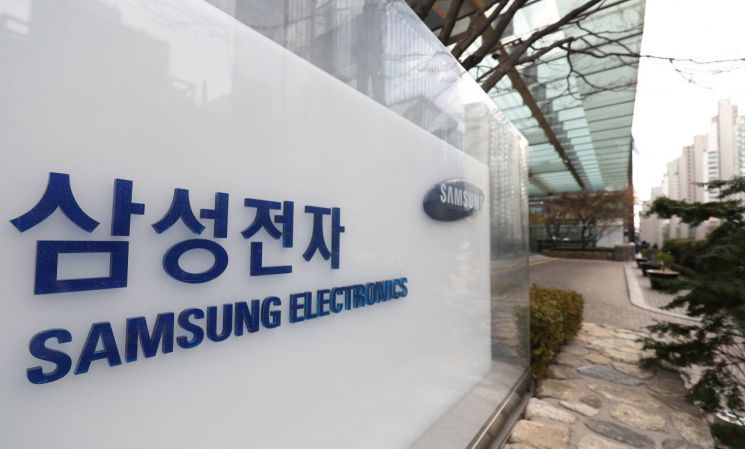
On the 4th (local time), the EU Commission announced that it had received notifications of major platform services from seven companies considered 'potential gatekeepers' under the DMA: Alphabet, Amazon, Apple, ByteDance, Meta, Microsoft, and Samsung.
The DMA was created to prevent the abuse of market dominance by large platform operators that act as a kind of gateway between consumers and sellers. In other words, it is a law that designates platform operators of a certain scale as gatekeepers and imposes special regulations on them.
The notifications from the seven companies were voluntary reports requested by the Commission before full-scale regulation, requiring companies that meet the quantitative criteria set by the DMA, such as revenue and consumer base, to self-report. The Commission plans to finalize the gatekeeper list after an internal evaluation based on the reports submitted by each company over the next 45 days. The regulatory targets are expected to be confirmed by September 6 at the latest.
Considering that the DMA targets a small number of big tech companies, there is speculation that Samsung may also be included in the final list.
Fines of 10-20% of total revenue imposed for non-compliance
Initially, the Commission's draft targeted eight services provided by platform operators, including search engines, social media (SNS), cloud services, and advertising networks, but web browser services were added during the legislative process.
It is reported that Samsung Electronics notified the Commission that it meets the gatekeeper criteria, contrary to initial expectations, due to its proprietary web browser service installed on Samsung devices.
Companies designated as gatekeepers under the DMA must allow third-party services to interoperate on their platforms.
In particular, they must permit the installation of third-party apps or app stores. Previously, Apple expressed strong concerns about the DMA's implementation, which effectively requires opening the App Store, citing security reasons.
After finalizing the list, the Commission plans to give companies six months to comply with DMA obligations and will begin full-scale regulation starting March next year.
Companies selected as DMA gatekeepers may face fines of up to 10% of their total annual revenue for non-compliance, with penalties increasing up to 20% for repeated violations.
Additionally, the EU warned that in cases considered 'systematic infringement,' the Commission may impose stronger sanctions, such as requiring the company to divest parts of its business.
© The Asia Business Daily(www.asiae.co.kr). All rights reserved.


















