1 in 10 Adults Eat All Three Meals Alone
More than half of adults in South Korea eat at least one meal alone per day, according to a survey. It was found that the more frequently people eat alone, the higher the risk of developing metabolic syndrome, indicating negative health effects.
On the 23rd, the Korea Food Communication Forum (KOFRUM) reported the results of an analysis conducted by the Family Medicine research team at the Central Veterans Hospital. They analyzed the eating habits of 5,302 adults aged 20 and older who participated in the 2019 Korea National Health and Nutrition Examination Survey.
The research team asked participants, "In the past year, did you generally eat breakfast, lunch, and dinner with others?" Then, respondents were classified into groups: those who ate all three meals with family or others, those who ate two meals with others, those who ate one meal with others, and those who ate all three meals alone.
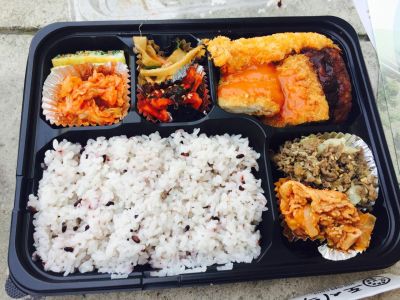
The survey results showed that 54.4% of respondents ate at least one meal alone per day. This means that about 5 out of 10 adults in South Korea eat alone at least once a day. Specifically, 30.4% ate one meal with others, and 13.8% ate two meals with others per day.
The proportion of people who ate all three meals alone was 9.4%. Notably, among seniors aged 60 and older and those living alone, the rate of eating all three meals alone accounted for more than 2% of all adults.
On the other hand, 45.6% of respondents generally ate all three meals with others.
The research team also found that people who ate all three meals alone had lower physical activity levels. They tended to have larger waist circumferences and higher fasting blood glucose levels, and the prevalence of hypertension, diabetes, and dyslipidemia was also higher.
The team pointed out, "The higher the frequency of eating alone, the greater the likelihood of excessive calorie intake, especially with higher carbohydrate consumption and lower protein intake," and explained, "The risk of developing metabolic syndrome increased as the frequency of eating alone increased."
The Korea Food Communication Forum suggested that the increase in single-person households recently has influenced the rise in the rate of eating alone.
Single-person households are known to consume processed foods and ready-to-eat meals more frequently. Research also shows that as the frequency of eating alone increases, the risks of abdominal obesity, impaired fasting glucose, and hypertension increase, and irregular eating habits further raise the risk of metabolic syndrome.
Meanwhile, according to the Korean Statistical Information Service (KOSIS), as of 2021, there were 7,165,790 single-person households.
According to the Statistics Korea's "2022 Future Household Projections: 2020?2050," released last October, the number of single-person households is steadily increasing. As of 2020, single-person households accounted for 31.2% of all households, and this proportion is expected to surge to 9.05 million households by 2050, representing 39.6% of all households.
With the increase in single-person households, the age group of those living alone is also expected to rise. In 2020, 36.7% of single-person households were aged 39 or younger, the highest proportion, but by 2050, it is projected that 58.8% of single-person households will be aged 60 or older, becoming the largest group.
© The Asia Business Daily(www.asiae.co.kr). All rights reserved.
![Clutching a Stolen Dior Bag, Saying "I Hate Being Poor but Real"... The Grotesque Con of a "Human Knockoff" [Slate]](https://cwcontent.asiae.co.kr/asiaresize/183/2026021902243444107_1771435474.jpg)
















