Increased Burden of Facility Investment for Environmental Regulation Compliance
Similar to Japanese Cases... Concerns Over Financial Deterioration
Industry "Urgent Need for Regulatory Improvement and Financial Support"
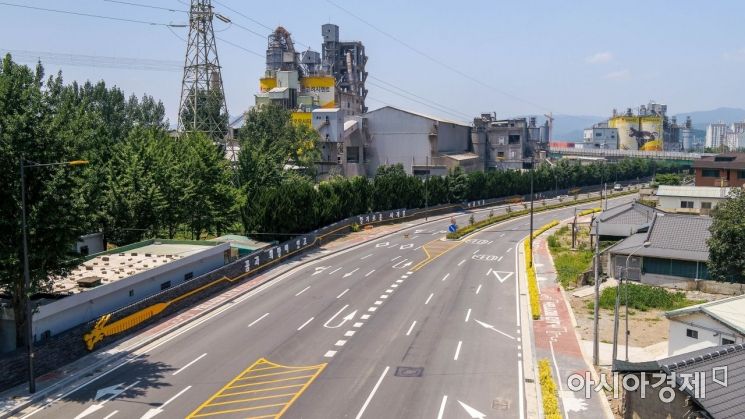
The cement industry is struggling with increasing environmental regulations and the burden of facility investments. Recently, Goryeo Cement halted operations at its production plant due to a management crisis. Last year, the Japanese cement industry underwent consolidation due to deteriorating management conditions, heightening the sense of crisis domestically.
Goryeo Cement began considering the closure of its Jangseong plant in Jeollanam-do starting December last year. Meeting government environmental regulations requires massive financial investment in facilities, but the company’s management situation has been worsening. Last year, Goryeo Cement recorded sales of 69.9 billion KRW and an operating loss of 12.6 billion KRW. Goryeo Cement stated, "We will do our best to secure employment continuity for our staff by completing a blast furnace slag cement production plant in Yeongam, Jeollanam-do, which emits relatively less greenhouse gases and is subject to fewer environmental regulations."
The news of Goryeo Cement’s plant closure has a significant impact on the industry. A representative from the Korea Cement Association, which includes major cement companies as members, said, "Although enormous costs are required for facility investments to comply with government environmental regulations, we expected Goryeo Cement to overcome the crisis based on its financial capacity. The news of the plant closure is quite shocking," adding, "The entire industry is taking the closure of the Jangseong plant very seriously."
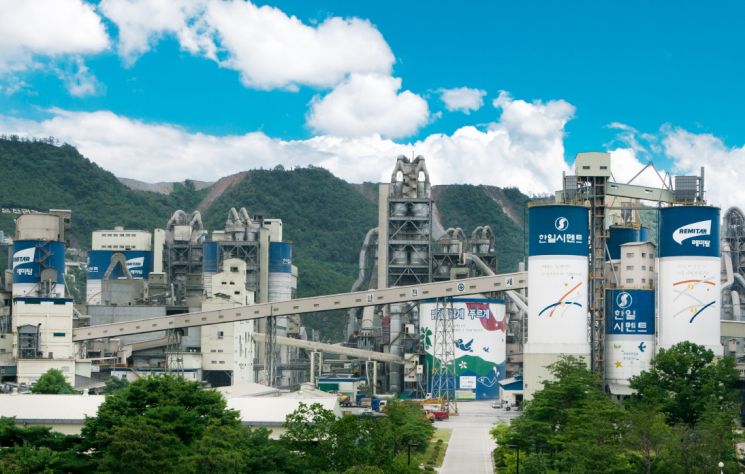
The industry is on edge as Goryeo Cement’s situation resembles the case of plant shutdowns in the Japanese cement industry last year. In March, Ube Mitsubishi Cement, the second-largest player in the Japanese market with about a 24% market share, halted operations at its Aomori plant due to cost burdens and worsening management. Ube Mitsubishi Cement raised cement prices twice last year by 49,000 KRW per ton but ultimately decided to stop operations as it could not fully reflect the soaring international raw material prices in its sales prices.
Domestic cement companies also implemented two price hikes last year but, like in Japan, failed to fully pass on the increased raw material costs to sales prices. As a result, despite increased sales, cost burdens rose, causing net profits to plummet. With a significant downturn in the construction market expected from the second half of this year, major domestic cement companies have entered emergency management mode.
The cement industry has invested over 2 trillion KRW in large-scale facility investments for carbon neutrality and environmental improvements, but since most of the investment funds will continue to rely on external borrowing, there are concerns about worsening financial structures. The Cement Association stated, "As seen in Europe, urgent government-level measures are needed, including various policies for improving the management of the cement industry, regulatory reforms, and financial support."
© The Asia Business Daily(www.asiae.co.kr). All rights reserved.

![User Who Sold Erroneously Deposited Bitcoins to Repay Debt and Fund Entertainment... What Did the Supreme Court Decide in 2021? [Legal Issue Check]](https://cwcontent.asiae.co.kr/asiaresize/183/2026020910431234020_1770601391.png)















