Research Team Led by Korean Medicine Doctor An Jae-seo at Jaseng Hospital of Korean Medicine
Analysis of the Current Status of Plantar Fasciitis Patients in Korea
A study has revealed a significant increase in the number of patients visiting hospitals for plantar fasciitis. Notably, female patients outnumber males by approximately 1.3 times, and the condition primarily occurs between summer and autumn.
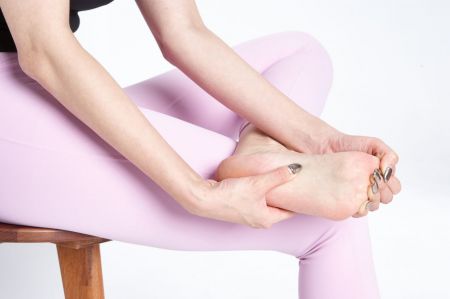
The research team led by Korean Medicine Doctor An Jae-seo from Jaseng Spine and Joint Research Institute announced on the 7th that they analyzed the medical utilization status of plantar fasciitis patients in Korea based on data from the Health Insurance Review and Assessment Service from 2010 to 2018.
Plantar fasciitis refers to a condition where the plantar fascia on the sole of the foot is damaged and inflamed due to prolonged walking or exercise. It causes severe pain that can make walking difficult, leading to discomfort in daily life, and is considered one of the musculoskeletal disorders prone to recurrence.
Using HIRA data, the research team extracted records of 60,079 patients who received at least one treatment in Korean medicine or Western medicine and 228,150 treatment records over nine years as the study subjects. As a result, the number of patients visiting medical institutions for plantar fasciitis increased by 183.5% in 2018 compared to 2010. The gender ratio was 42.3% male and 57.7% female, with females about 1.36 times more numerous. Age groups most affected were 45?54 years at 26.1%, 35?44 years at 19.5%, and 55?64 years at 19.3%, mainly occurring around the 40s. The hospitalization rate was 0.12%, with most treatments conducted on an outpatient basis.
Additionally, to understand the seasonal characteristics of the disease, the team analyzed quarterly plantar fasciitis treatment cases over nine years and found a common trend of increased patient numbers in the third quarter, corresponding to July through September each year. The researchers interpreted this as due to increased outdoor activities during the third quarter and frequent wearing of footwear such as sandals and slippers, which provide poor shock absorption while walking.
 Jasaeng Korean Medicine Hospital, Korean Medicine Doctor An Jae-seo. [Photo by Jasaeng Korean Medicine Hospital]
The research team also analyzed the medical utilization details of plantar fasciitis patients. Among Korean medicine treatments, acupuncture was the most frequent with 153,774 cases, followed by thermal-cold meridian therapy and moxibustion. In Western medicine treatments, physical therapies such as heat therapy and electrical therapy were most commonly performed. The most frequently administered injections were muscle and subcutaneous injections, and the most prescribed medication was nonsteroidal anti-inflammatory drugs (NSAIDs).
Doctor An Jae-seo stated, "This study is the first paper to simultaneously analyze the characteristics, treatment types, and costs of plantar fasciitis patients in Korea divided into Korean medicine and Western medicine." He added, "It can serve as basic data to assist future treatment and management of plantar fasciitis patients, as well as national health policy decision-making such as health insurance fee and budget allocation." The paper was published in the May issue of the SCI(E)-level journal 'BMC Health Services Research (IF=2.908).'
© The Asia Business Daily(www.asiae.co.kr). All rights reserved.
![Clutching a Stolen Dior Bag, Saying "I Hate Being Poor but Real"... The Grotesque Con of a "Human Knockoff" [Slate]](https://cwcontent.asiae.co.kr/asiaresize/183/2026021902243444107_1771435474.jpg)

















