Non-Apartment Sales Volume 6,897 Units Until April This Year
51% Sharp Decline Compared to Last Year
Seoul Villa Sales Index Lower Than National Average
The villa market is collapsing. Villas, which have been considered an alternative residential option to apartments, are experiencing a decline in rental demand due to the growing fear of jeonse fraud, leading to a contraction even in sales demand. The average apartment sale price in Seoul is 1.022 billion KRW (as of April). Given that the threshold for apartment purchases remains high, there are calls to stabilize the villa market.
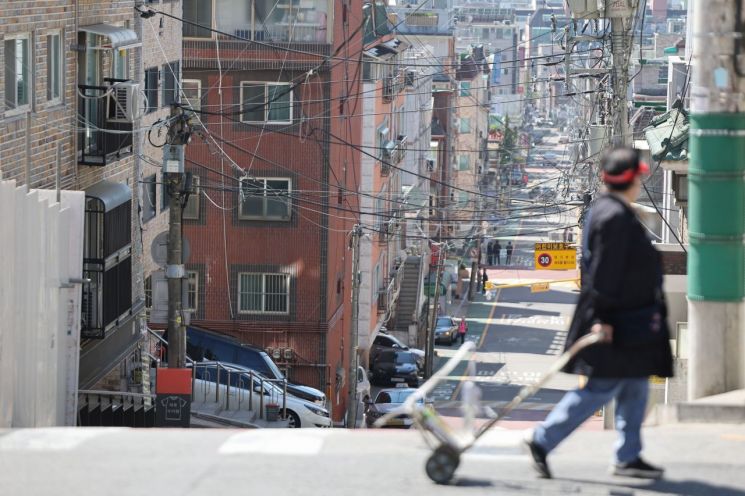
According to the Seoul Real Estate Information Plaza, the number of non-apartment sales transactions until April this year was 6,897 (6,167 villas and 730 detached houses), marking the lowest since related statistics began in 2006. Considering that last year’s non-apartment sales transactions were 14,175, this represents a sharp decline of about 51%.
Among Seoul districts, Gangseo-gu, which has been stigmatized as a jeonse fraud hotspot, saw its sales transactions nearly cut to one-third compared to last year. Non-apartment sales transactions in Gangseo-gu were 1,737 last year but dropped to 607 this year.
The biggest reason villas are being shunned is the recent surge in jeonse fraud. The nature of villas, where the difference between sale price and jeonse price is minimal, has been exploited in successive jeonse fraud cases, intensifying avoidance of villas. Fear of villas is expanding, and with the slowdown in interest rate hikes, demand for apartment jeonse is increasing, causing investment demand to shrink.
This is also confirmed by statistics. According to the Korea Real Estate Board, the villa sales supply-demand index in Seoul was 81.7 in March, lower than the national average of 82.3. This index is based on 100, where values closer to 0 indicate more sellers and values closer to 200 indicate more buyers.
In contrast, the number of apartment sales transactions in Seoul in April was 3,188, the highest since August 2021 (4,065 transactions). Early this year, government deregulation, the launch of the Special Home Loan, and the Bank of Korea’s consecutive base rate freezes drove demand recovery. Seoul apartment transactions fell below 1,000 from July last year through the end of the year but have shown signs of recovery this year with average transactions exceeding 1,000. This contrasts sharply with the deepening transaction cliff in the villa market.
If the villa market does not stabilize, buyers considering villa purchases will face a choice dilemma. They must either buy villas amid anxiety or turn to apartments under financial pressure. However, it is not easy for those who initially considered villas to switch to apartments. According to the Korea Real Estate Board, the average apartment sale price in Seoul as of April is 1.022 billion KRW, while the average villa sale price is 342 million KRW. Considering demand that prefers villas due to price burden, voices calling for urgent market stabilization are growing.
© The Asia Business Daily(www.asiae.co.kr). All rights reserved.
![Clutching a Stolen Dior Bag, Saying "I Hate Being Poor but Real"... The Grotesque Con of a "Human Knockoff" [Slate]](https://cwcontent.asiae.co.kr/asiaresize/183/2026021902243444107_1771435474.jpg)
















