Corrosion of 1980s Game Software Begins
Recognized for Preservation Value, "Has Economic Benefits"
Japan, which dominated the era in the 1980s with games like ‘Super Mario,’ has now embarked on a mission to rescue classic games. This is because the chips containing game software from that time are at risk of becoming unreadable due to corrosion and other damage. Since Japan has grown the related market based on these games, not only private sectors but also the National Diet Library are actively involved in this project.
On the 5th, Nihon Keizai Shimbun (Nikkei) reported that despite the popularity of the retro trend, early 1980s game software may soon become unplayable. Unlike paper books, if parts of the circuit or terminals of game software corrode, recognition becomes impossible. According to Nikkei, the lifespan of game chips is about 30 years on average, which is shorter than that of CDs. Therefore, early works are likely already degraded due to environmental damage.
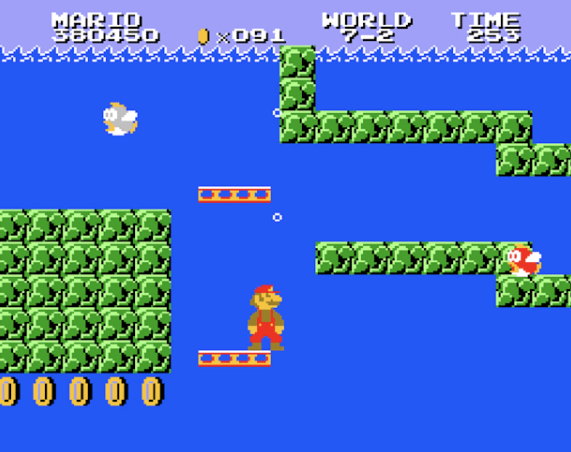
However, digitizing game software is more difficult compared to other content. Old game software must be transferred from the media using specialized equipment before being stored digitally, which is known to be much more complicated than copying books or music records. As a result, a private organization called the Game Donation Association was established with the message, "If we don’t rescue them now, these games will never be playable again."
The National Diet Library of Japan also appears to be aligning with private efforts. The library has lifted usage restrictions on the classic game software it has collected, allowing access for research purposes. As of 2019, the National Diet Library preserves 3,996 classic game software titles.
Japan is accelerating preservation efforts because game content directly translates into revenue. According to the Ministry of Internal Affairs and Communications, the game software market grew to 1.7 trillion yen (approximately 15.85 trillion won) in 2020. This exceeds the combined size of the print and electronic book publishing market by 100 billion yen.
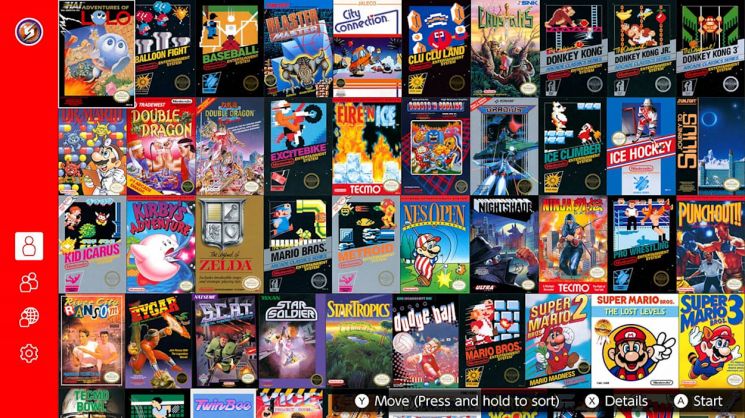
Additionally, game software has the potential to be used as a tourism product targeting enthusiasts. For example, the Strong Museum in the United States already holds and exhibits popular Japanese classic games such as Mario and Pok?mon, attracting a steady stream of tourists from around the world. Nikkei reported, "It is expected to bring in annual tourism revenue of 130 million dollars (about 170 billion won) to the region."
In response, Nintendo plans to complete a museum within this year where visitors can view and experience its past works.
Japanese media pointed out that although game software has a short lifespan and should be the first to undergo digital preservation, such efforts have been delayed due to negative perceptions of games. Nikkei criticized, "Budget shortages and low awareness have been obstacles to preservation. It is necessary to actively promote digitalization at the national level."
© The Asia Business Daily(www.asiae.co.kr). All rights reserved.


















