Kakao Mobility Launches Pilot Service for Solo Pet Pickup
Kakao Mobility is launching a service that transports only pets such as dogs and cats. By differentiating from the existing service that carries both pets and their owners together, it aims to eliminate blind spots in transportation and improve profitability.
Starting from the 26th, Kakao Mobility will conduct a two-month pilot operation of 'Kakao T Pet Solo Pickup.' The service will be provided only when both the departure and arrival locations are in Gangnam-gu, targeting a select group of testers. After verifying usability, the service will be officially launched.
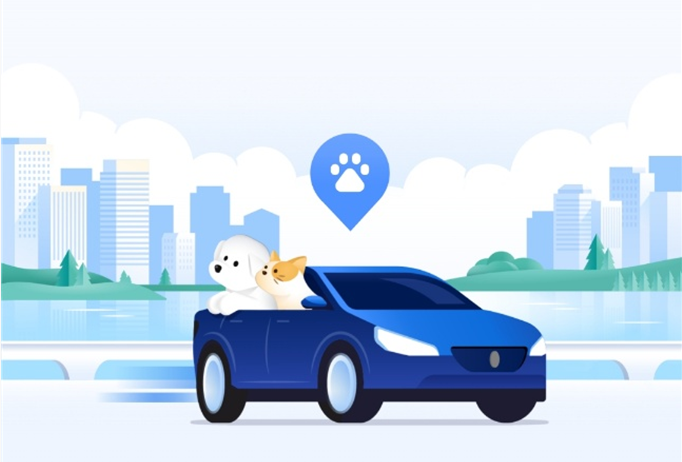
Kakao T Pet Solo Pickup is a service that transports only pets in the vehicle. It can be used when sending pets to veterinary hospitals or care institutions without the owner. However, if there is no recipient at the destination to take custody of the pet, the service use is restricted.
Pet transportation services differ from regular taxis and are classified as animal transportation businesses. Drivers registered as animal transport operators carry pets and their owners in their own vehicles. The 2017 amendment to the Animal Protection Act established legal grounds for animal transportation businesses. The law does not restrict whether the owner must be on board.
The introduction of the solo pickup service was based on confirmed demand from operating pet transportation services. In April last year, Kakao Mobility launched 'Kakao T Pet,' which allows pets and their owners to use the service together. It currently operates throughout Seoul, Incheon, and Gyeonggi Province. More than 800 registered drivers have been secured. As outings increase and service awareness grows, usage has been rising by about 30-40% monthly. Given that the population owning pets in Korea reaches 15 million, the growth potential is considered high.
As a kind of premium service, profitability is also high. The basic fare for Kakao T Pet is 8,000 KRW. Usage fees, depending on distance and supply-demand conditions, are higher than those of regular taxis. This is because vehicles are equipped with dedicated items such as pet car seats and provide pet-specific insurance services. For solo pickup, to ensure safe transportation, the trip is recorded and filmed by camera, and a confirmation call is made to the owner after arrival.
Kakao Mobility posted a net loss of 27.7 billion KRW last year, turning to a deficit. A major reason was the provisional imposition of a 27.6 billion KRW fine by the Fair Trade Commission for preferential taxi call allocation. Revenue growth has also slowed. In the first quarter of this year, sales in the Kakao platform’s other segment, which includes Kakao Mobility, reached 365.6 billion KRW, a 5% increase compared to the previous quarter. It is analyzed that the taxi fare increase starting at the end of last year and the economic downturn have affected the growth, which had previously been in double digits.
© The Asia Business Daily(www.asiae.co.kr). All rights reserved.

















