20% Increase in Listings Over 6 Months Sets Record High
Homeowners Rush to Lower Prices
China's housing transactions, which had been recovering this year, recently saw a sharp decline, and housing prices also fell.
On the 25th, local media including China Daily Economic News reported this citing data from the real estate platform Zhuge Zhaofang. According to Zhuge Zhaofang, the volume of existing home sales in Beijing during the third week of May (15?21) was 3,581 units, a 14.5% decrease compared to the average weekly transaction volume over the past 10 weeks.
Additionally, on the 24th, 1,986 listed properties lowered their asking prices, with an average price reduction of 169,500 yuan (approximately 32 million KRW) per unit. Zhuge Zhaofang speculated that while listings flooded the market, transaction volumes declined, prompting sellers eager to dispose of their properties to reduce prices.
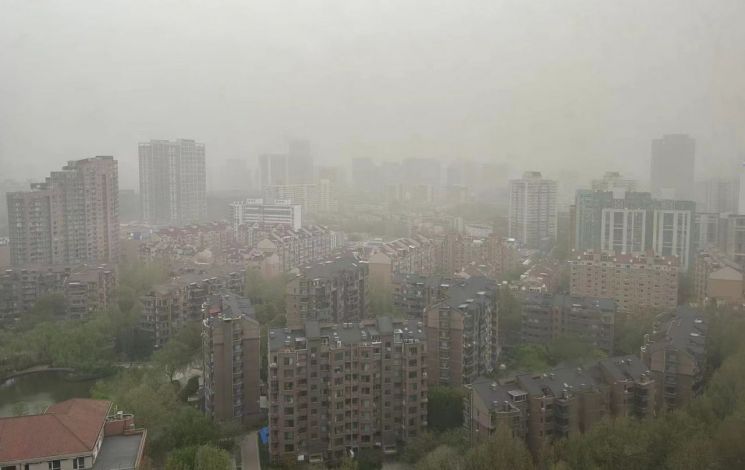
The inventory of existing homes in Beijing surpassed 100,000 units in November last year, reaching an all-time high. Recently, listings have further accumulated, increasing to 119,106 units. This represents about a 20% increase in inventory over half a year.
Among these, the transaction volume in March was 22,192 units, the highest March volume in six years. However, in April, existing home sales in Beijing dropped sharply to 13,928 units, a 34.7% decrease compared to the previous month, indicating renewed contraction.
This is interpreted as being related to economic uncertainty. Homeowners, concerned about the slower-than-expected pace of China's economic recovery and the global economic impact of U.S. interest rate hikes, want to liquidate their properties, but potential buyers have turned cautious. Additionally, there is analysis that multi-homeowners are listing existing homes due to concerns over the possible introduction of property holding taxes.
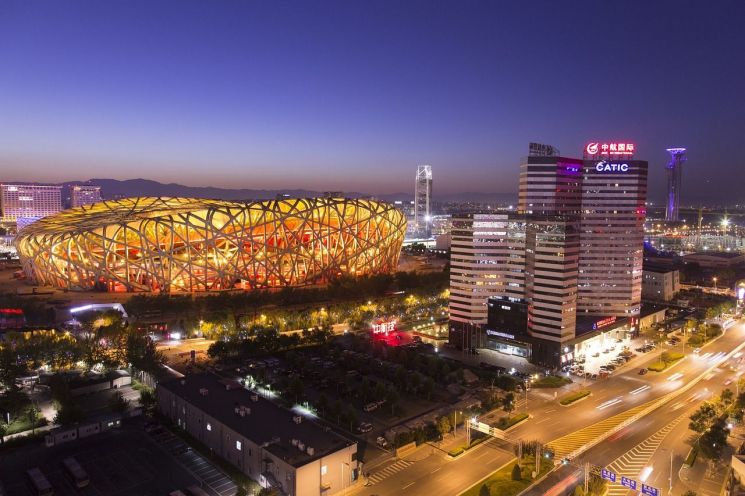
Meanwhile, since the second half of 2020, the Chinese government has implemented strong regulatory measures to curb the housing price bubble by restricting real estate developers' borrowing and suppressing home purchases.
As a result, many real estate developers faced bankruptcy or liquidity crises, including Evergrande (恒大·Ebeogeulandeu), China's largest real estate developer, which defaulted at the end of 2021.
To revive the real estate market, which significantly affects the economy and employment, authorities have introduced various activation measures since last year, such as lowering loan interest rates and easing home purchase conditions, but there are criticisms that these measures lack effectiveness.
© The Asia Business Daily(www.asiae.co.kr). All rights reserved.


















