The National Human Rights Commission of Korea (NHRCK) pointed out that exposing suspects handcuffed with restraining ropes during transport constitutes a human rights violation.
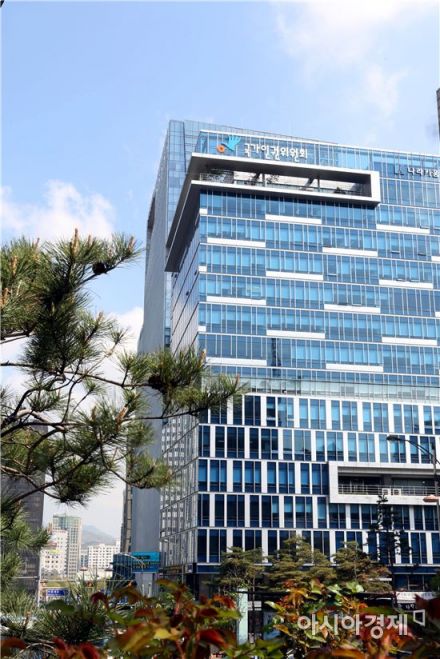
On the 24th, the NHRCK announced that it recommended to Yoon Hee-geun, Commissioner of the National Police Agency, on the 22nd to supplement relevant regulations and provide job training to prevent violations of personal rights when using restraining ropes on suspects.
According to the NHRCK, complainant A was detained in a detention center after an arrest warrant was issued around November last year. During transport to a hospital for medical treatment, the complainant’s image bound with restraining ropes was exposed to the public, prompting a complaint to the NHRCK.
The respondent, a police officer from OO Police Station, replied, "Considering the geographical characteristics of the hospital located in a busy district and the fact that the first floor, where the examination and testing rooms are located, is open at both front and back, handcuffs and restraining ropes were used," adding, "This was a measure to prevent the detainee’s escape and self-harm." However, the respondent also acknowledged, "Although handcuff covers were used, the restraining ropes remained exposed, indicating insufficient protective measures," and added, "It is necessary to specifically codify the relevant rules and instructions and simultaneously improve the equipment."
The NHRCK judged, "There is a possibility that the suspect’s appearance was exposed to the public while getting off the transport vehicle and entering the hospital," and "Since there were many other patients and family members on the first floor where the hospital examination rooms are located, this act violated the suspect’s personal rights." However, the NHRCK noted that the problem arose because the revised guidelines on the use of handcuffs and similar devices, amended in June last year, only stipulate that "measures such as covering handcuffs with handcuff covers should be taken to prevent the appearance of handcuffs from causing personal humiliation to others," without any specific mention of restraining ropes.
The NHRCK stated, "The respondent institution acknowledged the problem with the practice of not covering restraining ropes after the related complaint was filed with the NHRCK and conducted education to prevent recurrence," and added, "It was deemed appropriate not to hold the individual respondent personally responsible but to recommend to the Commissioner of the National Police Agency to supplement relevant regulations and provide job training."
© The Asia Business Daily(www.asiae.co.kr). All rights reserved.
![Clutching a Stolen Dior Bag, Saying "I Hate Being Poor but Real"... The Grotesque Con of a "Human Knockoff" [Slate]](https://cwcontent.asiae.co.kr/asiaresize/183/2026021902243444107_1771435474.jpg)
















