Set Overseas Usage Country, Period, and Amount in Advance
Payment Process Must Also Be Verified Directly
#2. Mr. B visited a massage parlor while traveling in Southeast Asia and stored his bag and wallet in the changing room. While receiving the massage, the perpetrator swapped the IC chip of Mr. B's card inside the changing room, registered it on their own card, and spent a large amount on precious metals and other items. The card company also regarded this as a normal transaction, so it was not detected by monitoring systems. Mr. B simply thought the IC chip was damaged and used another card, only realizing the fraudulent use on the card payment date.
The financial authorities have urged travelers to be especially cautious when using cards abroad. They emphasized setting the usage country, amount, and period before departure and reporting immediately if lost.
On the 16th, the Financial Supervisory Service issued a consumer alert regarding overseas card usage. This was due to concerns that card theft, loss, and duplication-related fraud would increase as domestic and international travel demand surged.
According to the Financial Supervisory Service, last year the number and amount of fraudulent card use cases were 21,522 and 6.42 billion KRW respectively, increasing by 19.8% and 30.8% compared to the previous year. The increase in travel after the lifting of social distancing measures influenced the rise in fraud due to theft and loss.
In particular, overseas incidents tend to involve larger amounts and more diverse fraud methods, as it is harder to respond to accidents abroad compared to domestic cases. The average fraudulent amount per case overseas was 1,289,000 KRW, which is 5.35 times higher than the domestic average of 241,000 KRW.
Accordingly, the Financial Supervisory Service urged consumers to be aware of the following when issuing the consumer alert. First, it emphasized applying for the 'Overseas Usage Safety Setting Service' before departure. This service allows setting the card usage country, daily spending limit, and usage period to block overseas fraudulent transactions or minimize damage. Also, consenting to 'Use of Overseas Entry and Exit Information' can block overseas offline payments if there is no record of departure or after confirming entry, preventing card fraud.
Additionally, it urged immediate reporting if a card is lost during overseas travel. Before departure, travelers should download the card company's application and memorize the card loss reporting phone number to report immediately.
To receive full compensation for damages, it is essential to sign the back of the card and promptly report loss. Otherwise, it may be considered negligence on the cardholder's part. In cases of card fraud, full compensation is provided unless there is intentional or gross negligence.
It is also necessary to visually confirm the card payment process. Especially, the use of overseas private ATMs, which can be manipulated by fraudsters, should be avoided.
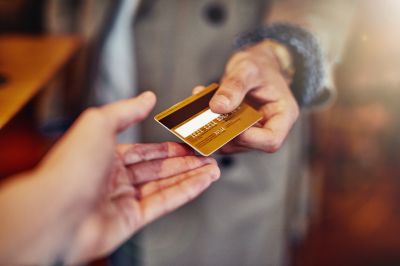 Photo by Getty Images Bank
© The Asia Business Daily(www.asiae.co.kr). All rights reserved.