Purpose of Temporary Childbirth and Childcare Fund
40% of Population Aged 75 and Over Subject to Increase
The Japanese government is drawing attention both domestically and internationally by pushing a plan to raise medical insurance premiums for elderly people aged 75 and over in order to secure funding for low birthrate countermeasures. As the young population, which has been financing social security resources, continues to decline, the government is demanding that the elderly, who are the main beneficiaries of social security resources, also share the burden. If the low birthrate and aging population worsen further in the future, it is expected that greater burdens will be placed on high-income elderly individuals, which is likely to increase controversy.
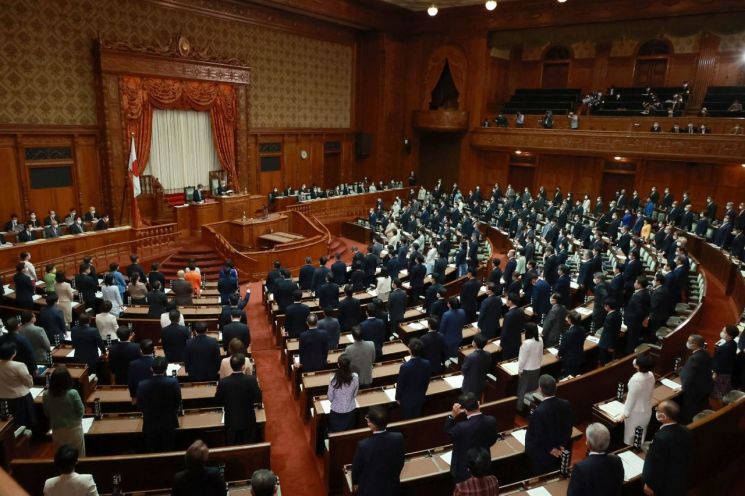
On the 12th, Asahi Shimbun reported that a revision bill to raise medical insurance premiums for those aged 75 and over with a certain level of income was passed with a majority vote at the House of Councillors’ Health, Labor and Welfare Committee the previous day. The bill is also expected to pass in the House of Councillors plenary session on the same day.
Asahi analyzed that this increase is being implemented to fund the lump-sum childbirth and childcare allowance, a low birthrate countermeasure, and to reduce the burden on the working-age generation. The lump-sum childbirth and childcare allowance is a cost paid by the Japanese government to parents who have children in the form of insurance benefits, and it was increased last month from 420,000 yen (4.15 million KRW) to 500,000 yen (4.94 million KRW).
The funding structure for the lump-sum childbirth and childcare allowance mainly relies on insurance premiums paid by the working-age generation through health insurance associations. Since the increased funding burden due to the raise can no longer be demanded from the working-age generation, the purpose of this premium increase is to cover the additional amount through medical insurance premiums for those aged 75 and over. The target group for this premium increase corresponds to about 40% of the population aged 75 and over.
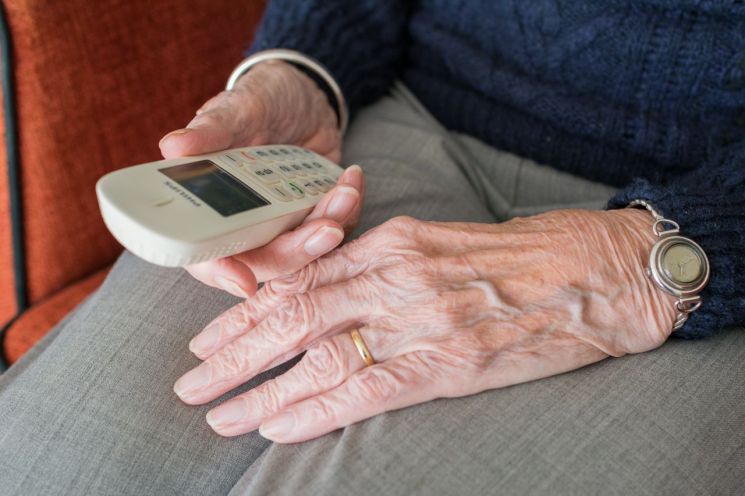
The burden on the elderly is expected to increase gradually. First, insurance premiums for those with pension income of 2.11 million yen (20.87 million KRW) or more will be raised next year, and from 2025, those with 1.53 million yen (15.14 million KRW) or more will also be subject to the increase. Additionally, with the revision of enforcement ordinances, the upper limit of insurance premiums for high-income earners with an annual income of about 10 million yen (98.95 million KRW) or more will be significantly raised from the current 660,000 yen (6.53 million KRW) per year to 730,000 yen (7.22 million KRW) next year, and to 800,000 yen (7.91 million KRW) from 2025.
Looking at the increase in burden by annual income, a person earning 2 million yen (19.79 million KRW) annually will have to pay an additional 3,900 yen (38,500 KRW) per year by 2025, while those earning 4 million yen (39.58 million KRW) or more will see an increase of 14,000 yen (138,500 KRW) per year.
The Japanese government plans to strengthen a burden structure proportional to income rather than age going forward. In addition, it is reviewing further reforms to medical insurance. Asahi pointed out that "the movement to demand burdens based on income regardless of age is expected to strengthen further."
© The Asia Business Daily(www.asiae.co.kr). All rights reserved.
![Clutching a Stolen Dior Bag, Saying "I Hate Being Poor but Real"... The Grotesque Con of a "Human Knockoff" [Slate]](https://cwcontent.asiae.co.kr/asiaresize/183/2026021902243444107_1771435474.jpg)

















