Price of Waste Plastic Materials Up Over 30% in 3 Years
Value of Trash Rises as Recycling and Reuse Markets Activate
Waste Paper Prices Also Increasing
'Free' Waste Plastic
Higher Added Value for More Difficult Recycling
Currently, people have to pay a collection fee when disposing of trash. However, an era is coming soon where people will receive money for throwing away trash. This is because the prices of recycled plastics and waste paper made from trash are soaring. As companies enter the recycling market to reduce carbon emissions, the price of 'trash' is skyrocketing. Until just 2 to 3 years ago, recycled plastics were practically given away for free, but the industry's perspective on trash has changed.
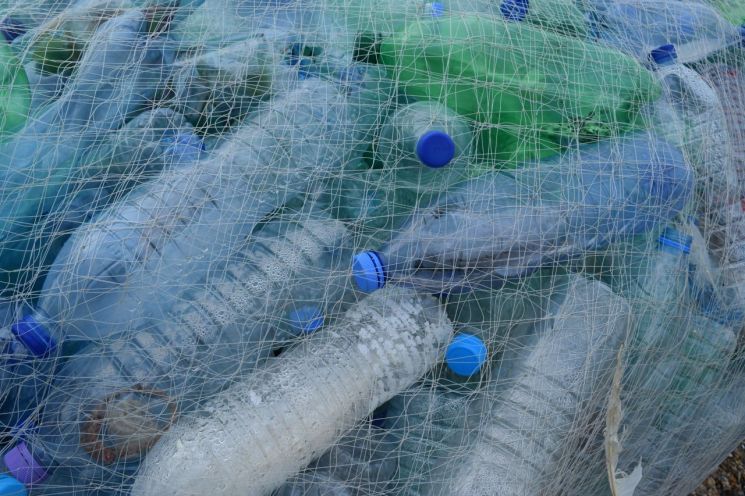
Prices of recycled plastic materials PP and PE jump 30% in 3 years... A boon for the eco-friendly recycling industry
The prices of recycled plastic materials PE (polyethylene) and PP (polypropylene) (based on flakes) have risen by about 24-36% over the past three years since 2020. The year 2020 marked the beginning of global carbon reduction policies and accelerated growth in the eco-friendly industry following the COVID-19 pandemic. The price of PE, which was 545 KRW per kilogram in March 2020, rose to 744 KRW in March this year, an increase of about 36% over three years. During the same period, PP increased from 494 KRW to 614 KRW, about a 24% rise.
PE is a heat-resistant and non-toxic plastic material mainly used for making kitchenware. PP is a plastic material with high transparency and easy molding, used in various fields such as carpets, interior decorations, and artificial fibers for industrial ropes. The value of recycled plastics is expected to continue rising. This is due to the emergence of 'chemical recycling' technology, which maintains strong physical properties and has no limit on the number of recycling cycles.
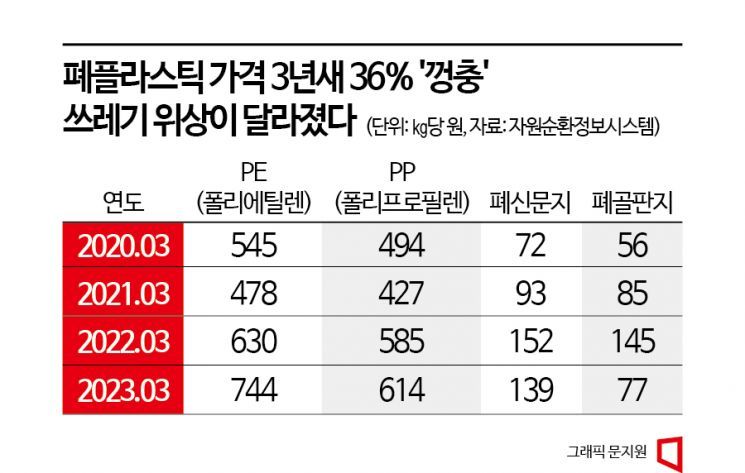
The price of waste paper, a representative recyclable trash, has also increased. The price of waste newspaper rose from 72 KRW per kilogram in March 2020 to 152 KRW in March last year, more than doubling, and has remained around 139 KRW as of March this year. Waste corrugated cardboard also increased from 56 KRW per kilogram to 145 KRW last year but dropped to about 77 KRW this year.
The cement industry is also in a situation where it must use more recycled plastics in the future. Cement manufacturers use recycled plastics as fuel to replace coal. Cement is made by heating raw materials such as limestone, clay, silica, and iron ore at high temperatures of about 2000℃. Coal is mainly used during this process, which emits a large amount of greenhouse gases.
However, using combustible recycled plastics as fuel can reduce greenhouse gas emissions. Professor Bae Jae-geun of the Department of Environmental Engineering at Seoul National University of Science and Technology stated in a paper, "Using recycled plastics as fuel can reduce greenhouse gas emissions from the cement industry by about 2.68 million tons and also reduce annual fuel import costs by 193.8 billion KRW."
Recycling-challenging plastics present a 'real opportunity'... "Global B2C brands wait to pay premiums"
The cement industry has been reusing recycled plastics that are difficult to recycle as fuel. These include vinyl waste, food residues, and PET bottles contaminated with foreign substances. Transparent PET bottle plastics, which are relatively easy to recycle, must be purchased. On the other hand, when bringing in recycled plastics that are difficult to recycle, collection and processing fees have been charged. A representative from the Korea Cement Association said, "Until just 1 to 2 years ago, we received 40,000 to 50,000 KRW per ton for recycled plastics, but recently this cost has dropped to 20,000 to 30,000 KRW per ton. This indicates that demand for recycled plastics is rising, and at this rate, we expect to have to buy recycled plastics soon." This means an era is coming where trash that used to cost money to dispose of will be sold for money.
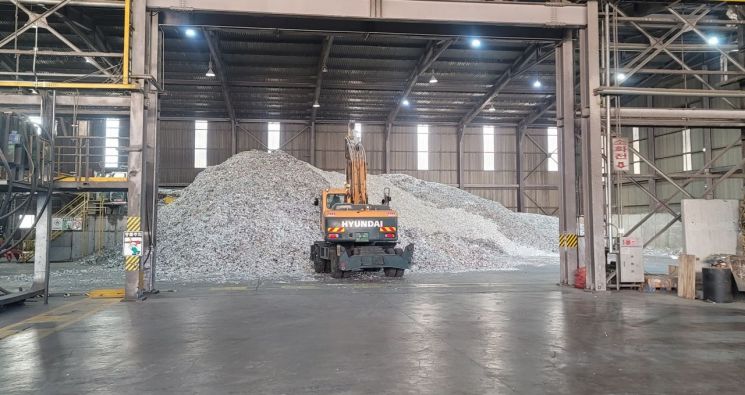 Recyclable resources such as waste plastics scheduled to be used in the manufacturing process at a cement factory are being transported. Photo by Korea Cement Association
SK Geocentric, which has entered the recycled plastics market, considers securing 'feedstock' (supply raw materials) the most important aspect of the recycling process. In the recycled plastics market, production costs and added value vary depending on the type of recycled plastic raw materials used. For example, transparent PET bottles are becoming increasingly expensive to purchase and are easy to recycle, so they do not generate high added value.
On the other hand, waste vinyl, discarded fishing nets, PET bottles contaminated with foreign substances, and old sportswear?trash that was previously incinerated or landfilled?are now transforming into valuable recycled raw materials. These materials are inexpensive to purchase, and the image of having undergone 'more difficult utilization' in the carbon-neutral era can stimulate demand from global B2C (business-to-consumer) brands. Cha Yeon-chun, Vice President of China Business Development at SK Geocentric, said, "Global brands buy chemically recycled plastics at prices 1.5 to 2.5 times higher than conventional plastic materials. Global fashion and food and beverage brands in Europe and the United States are ready to pay premiums to purchase recycled plastics to reduce carbon emissions and achieve sustainable growth."
© The Asia Business Daily(www.asiae.co.kr). All rights reserved.
![Clutching a Stolen Dior Bag, Saying "I Hate Being Poor but Real"... The Grotesque Con of a "Human Knockoff" [Slate]](https://cwcontent.asiae.co.kr/asiaresize/183/2026021902243444107_1771435474.jpg)


















