Gangnam-gu Conducts Test Operations and Inspections at 20 Locations Including Rainwater Pump Stations and Floodgates in Preparation for Heavy Rainfall
16 Inspection Team Members Deployed from 24th to 28th... Test Operations at Three Floodgates of Hangang Interchange from 10 AM to 3 PM on the 26th
Gangnam-gu (District Mayor Jo Seong-myeong) will inspect 20 locations including rainwater pump stations and floodgates from the 24th to the 28th to prepare for heavy summer rainfall. In particular, on the 26th, test operations will be conducted on three floodgates at the Hangang Interchange to ensure thorough flood prevention.
The district has formed an inspection team of 16 members to conduct management inspections and test operations at eight locations including Daechi Rainwater Pump Station and 12 floodgates such as Daechi Drainage Gate. They will comprehensively check ▲the management status of key mechanical and electrical facilities such as pumps and power distribution panels at pump stations ▲test operations of floodgates and the condition of hoists, door frames, and door leaves ▲CCTV, water level gauges, and communication status.
From 10 AM to 3 PM on the 26th, a joint test operation inspection of the floodgates at Sinsa Interchange, Gangnam Interchange, and Sincheongdam Interchange will be conducted in cooperation with Seoul City.
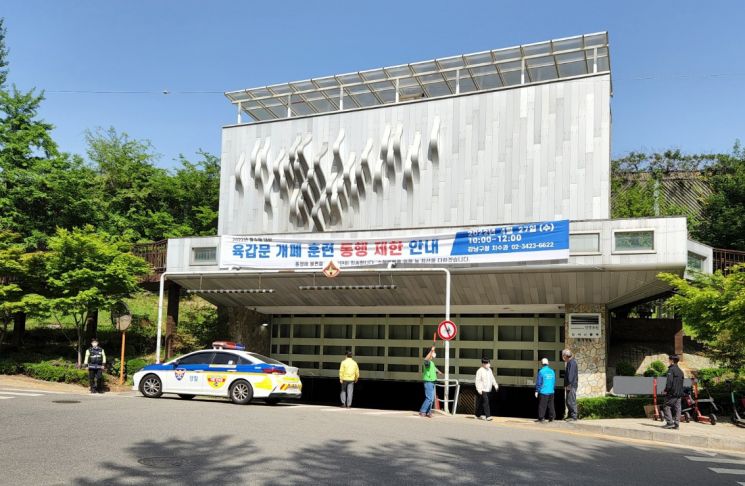
The floodgates are designed to block river water from flowing into the city in case of Hangang River flooding caused by heavy rain, and normally serve as passageways for residents to access Hangang Park. Through test operations, the opening and closing of the floodgates will be checked for normal operation, and the condition of hoists, door leaves, door frames, as well as the accumulation of sediment and foreign substances inside the lower door frames will be inspected.
Since the floodgate test operations simulate a flood scenario of the Hangang River, pedestrian and vehicle traffic will be completely restricted. The district plans to minimize inconvenience to citizens by implementing vehicle control in cooperation with Gangnam Police Station and the Hangang Project Headquarters, posting banners to inform about restricted times and detour routes.
Jo Seong-myeong, Mayor of Gangnam-gu, stated, “We will thoroughly inspect important facilities to minimize damage caused by abnormal weather and heavy rain. We will do our best to prevent disasters through preemptive measures such as installing manhole fall prevention devices and flood prevention facilities for underground houses, especially in flood-prone areas.”
Jungnang-gu Supports Installation of Flood Prevention Facilities for Underground and Semi-Underground Houses and Small-Scale, Low-Income Commercial Establishments at Risk of Flood Damage
Both Building Owners and Tenants Can Apply; Applications Accepted at Community Service Centers and District Office Water Management Division
Comprehensive Survey of Semi-Underground Houses to Prioritize Support for Needy Households
Jungnang-gu (District Mayor Ryu Gyeong-gi) is undertaking maintenance of underground and semi-underground houses and small-scale commercial establishments in preparation for heavy summer rainfall. The district announced that it will support the installation of flood prevention facilities such as water barriers and backflow prevention devices for households and shops at risk of flooding.
The ‘water barrier’ is installed at external entrances and windows of buildings with underground spaces lower than the road level to prevent flooding caused by rising rainwater.
The ‘backflow prevention device’ is installed at indoor drains such as kitchen sinks and bathroom floors to prevent flooding caused by sewage backflow. Both devices are easy to install and maintain, and have excellent flood prevention effects.
The district plans to support these flood prevention facilities ahead of the summer season to carefully prepare for potential disasters.
The support targets all underground houses and small-scale, low-income commercial establishments in areas at risk of flooding. The scope, previously limited to houses, has been expanded to include commercial establishments starting this year.
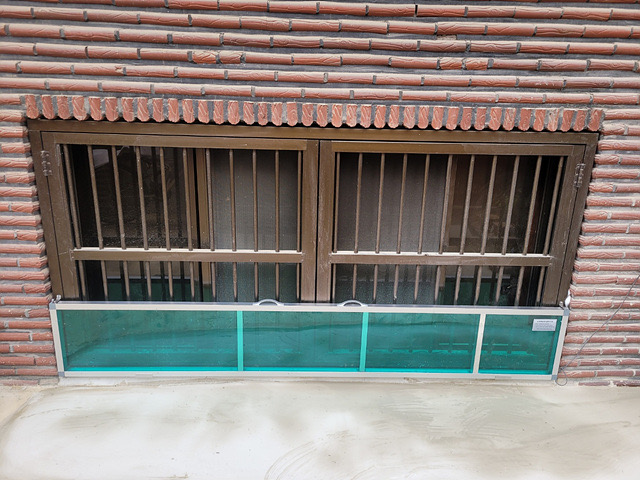
Building owners or tenants wishing to apply can submit an application form and required documents at their local community service center or the Jungnang-gu Water Management Division. Installation fees for houses are fully covered, while commercial establishments receive support of KRW 1 million per business unit, with a maximum of five business units per establishment supported. Applications are accepted until October this year.
Additionally, the district will conduct a survey by June targeting all semi-underground houses in the area to assess the need for facility installation. Construction experts will visit approximately 13,899 households for on-site inspections and, based on the expected flood damage, will link necessary households to flood prevention facility installation support.
At the end of last year, 20 households including those with severe disabilities, elderly, and children were surveyed, and by March this year, 93 households eligible for flood damage disaster relief payments were also surveyed.
The district has secured a budget of KRW 600 million for flood prevention facility installation this year and plans to continue discussions with Seoul City to secure additional funding.
Ryu Gyeong-gi, Mayor of Jungnang-gu, said, “Above all, we prioritize the safety of our residents and will make every effort to prevent flood damage ahead of the summer season. In addition to installing flood prevention facilities, we will thoroughly inspect rainwater pump stations and Jungnangcheon and expand flood control facilities to create a safe living environment for residents.”
Geumcheon-gu Supports Flood and Windstorm Insurance Premiums and Flood Prevention Facilities
70-92% Insurance Premium Support for Flood and Windstorm Insurance Enrollment
Free Installation of Water Barriers and Backflow Prevention Facilities for Semi-Underground Houses and Small-Scale Commercial Establishments
Caring Public Officials Assigned for Rapid On-Site Support in Case of Disaster
Geumcheon-gu (District Mayor Yoo Seong-hoon) encourages residents to enroll in ‘Flood and Windstorm Insurance’ to prevent flood damage caused by heavy summer rainfall and provides free flood prevention facilities to vulnerable households.
Flood and Windstorm Insurance is a system designed to compensate for property damage caused by unexpected natural disasters at the national level. It is operated under agreements between seven private insurance companies and the Ministry of the Interior and Safety.
Geumcheon-gu supports 70-92% of the total insurance premium. Subscribers can receive compensation for physical damage directly caused by typhoons, heavy rain, floods, earthquakes, and other wind and flood disasters during the coverage period.
The insurance is based on a one-year term, with discounts applied for long-term contracts. Economically vulnerable groups (basic livelihood security, near-poverty, single-parent families) living in houses with a history of flooding can receive full premium support.
For low-lying underground houses, semi-underground houses, and small-scale commercial establishments, 1,100 water barriers and 400 backflow prevention devices will be provided free of charge.
Residents wishing to install these facilities can inquire at their local community service center or the Geumcheon-gu Water Management Division. Assigned officials will visit the site to assess the need and quantity, and if conditions are met, installation will proceed.
Furthermore, caring public officials will be assigned to ensure rapid evacuation of residents in case of flood damage. Their primary duties include disseminating information, guiding evacuation, and inspecting flood prevention facilities.
This year’s care service targets a total of 1,138 households, including 57 disaster-vulnerable households and 1,081 general management households. Disaster-vulnerable households were selected based on Seoul City’s housing safety vulnerability survey and include 16 households with severely disabled residents, 32 elderly households, and 9 households with children living in semi-underground houses. General management households are those affected by the heavy rain in August last year.
Disaster-vulnerable households will be assigned a ‘caring public official’ and a ‘companion partner’ composed of neighborhood leaders and nearby residents, while general management households will be assigned a ‘caring public official’ to provide care services.
Yoo Seong-hoon, Mayor of Geumcheon-gu, said, “Before the peak rainy season begins, we will implement flood damage countermeasures such as supporting flood and windstorm insurance enrollment and installing flood prevention facilities to protect the precious lives and property of our residents.”
Gangdong-gu Fully Activates Disaster Safety Communication Network... Conducts Disaster Accident Drills
Following the Nationwide First Wildfire Drill in January, Conducted Spring Fine Dust Drill
Conducts Drills for Various Disaster Types Including Wind and Flood Damage, Heatwaves, and Large Fires to Thoroughly Prepare for Disaster Situations
Amid recent safety accidents such as wildfires and bridge collapses, Gangdong-gu (District Mayor Lee Soo-hee) announced on the 24th that it is fully operating the disaster safety communication network to establish a rapid response system for various disaster accidents.
Since November last year, the district has introduced virtual scenario drills to build manuals for proper response during actual disaster situations, establishing real-time communication channels with related departments and agencies and actively conducting drills.
Following the wildfire disaster response drill conducted in January, a fine dust emergency reduction measure drill was held on April 19, and a wind and flood disaster drill is planned for May in preparation for summer heavy rain.
By regularly conducting drills simulating various disaster types, the district expects to develop systematic and detailed action manuals that can be effectively implemented on-site during actual emergencies, enabling prompt responses.
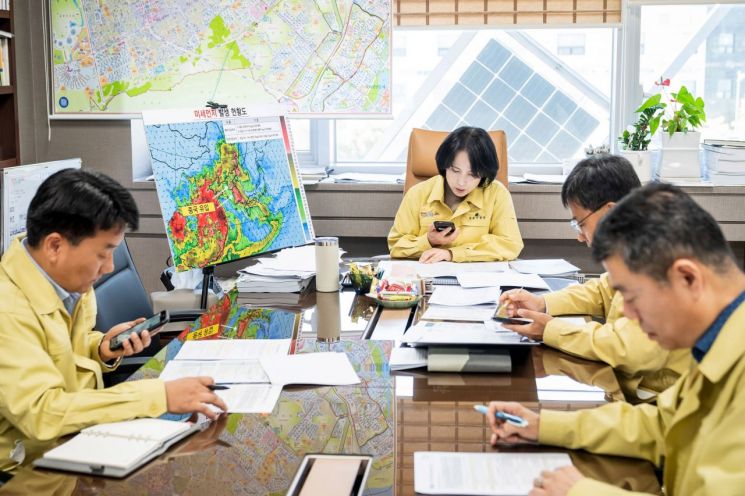
The recent fine dust drill simulated the issuance of an emergency reduction measure for ultra-fine dust, considering the current frequent high concentrations of fine dust caused by yellow dust inflow from China in spring. The drill involved radio communication training among collaborating departments and related agencies using the disaster safety communication network terminals based on the scenario.
Lee Soo-hee, Mayor of Gangdong-gu, reviewed the criteria for issuing ultra-fine dust emergency reduction measures during the drill and inspected the response measures of each department in the district office, instructing prompt implementation of reduction measures. Special attention was directed toward managing vulnerable groups such as chronic disease patients, elderly living alone, and infants.
Mayor Lee Soo-hee stated, “Since the safety of residents is our top priority, we will make every effort to prevent various disasters and safety accidents through continuous disaster response drills. Going forward, the district will build a dense social safety net to protect the lives and safety of residents and respond proactively.”
© The Asia Business Daily(www.asiae.co.kr). All rights reserved.
![Clutching a Stolen Dior Bag, Saying "I Hate Being Poor but Real"... The Grotesque Con of a "Human Knockoff" [Slate]](https://cwcontent.asiae.co.kr/asiaresize/183/2026021902243444107_1771435474.jpg)


















