Incheon City is strengthening radiation measurement and cracking down on the labeling of the origin of seafood in preparation for the discharge of contaminated water from the Japanese nuclear power plant into the ocean.
The city announced on the 6th that it has established safety management measures for seafood at the production stage, including these contents.
The city's Fisheries Technology Support Center has accumulated radiation data on seafood at the production stage before the discharge of contaminated water from the Japanese nuclear power plant, investigating 95 cases in 2021 and 172 cases last year, and plans to expand to more than 200 cases this year.
To increase the volume of investigations and enable rapid analysis, the number of precision radiation analysis devices will be expanded from one to two.
In addition, the center will disclose radiation investigation results, which were previously published once a month on its website, on a case-by-case basis, and operate a seafood safety investigation observation program for citizens to dispel concerns about seafood safety.
Furthermore, on-site guidance and crackdowns on false labeling of the origin of Japanese seafood will be strengthened, and information about seafood will be transparently disclosed to consumers to create an atmosphere where they can consume with confidence.
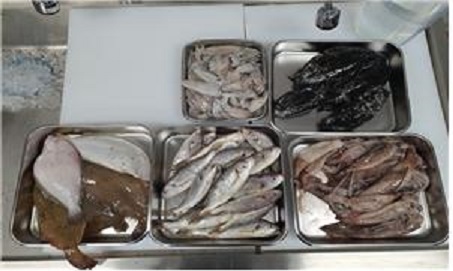
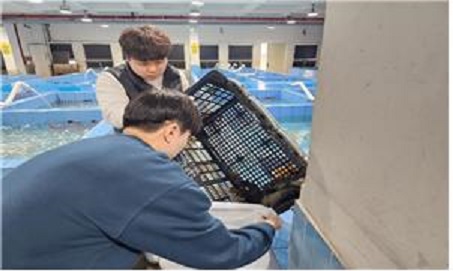 Collection of Samples for Radioactivity Inspection of Seafood at the Production Stage
 Photo by Incheon City
Currently, Japan plans to discharge about 1.25 million tons of contaminated water accumulated since the 2011 Fukushima nuclear power plant accident into the ocean after purifying it with the Advanced Liquid Processing System (ALPS). Construction of the marine discharge facility began in the second half of last year, spreading anxiety among the Korean public.
Kim Yulmin, head of the Incheon Fisheries Technology Support Center, said, "As the discharge of contaminated water from the Japanese nuclear power plant into the ocean is imminent, we will continuously expand radiation investigations of seafood at the production stage and manage the labeling of the origin of seafood purchased by consumers more thoroughly."
© The Asia Business Daily(www.asiae.co.kr). All rights reserved.


















