
Mr. A, in his 70s living in Gwanak-gu, Seoul, recently visited an internal medicine clinic to get cold medicine and paid a medical fee of 2,000 won. According to the elderly outpatient fixed-rate system of health insurance, Mr. A's total medical fee is estimated at 20,000 won, and after excluding the 10% co-payment, the remaining 18,000 won was covered by the health insurance fund. However, due to low birth rates and aging population, a red light has been turned on for the sustainability of health insurance, and experts have suggested that medical support for mild conditions like colds should be reduced in the future.

Professor Jeong Jae-hoon of Gachon University College of Medicine pointed out at the ‘1st Medical Security Innovation Forum’ held on the 4th that “the burden of medical expenses has been increasing since 2020 due to the combined effects of COVID-19 and low birth rates and aging,” and emphasized that “it is time to use the limited health insurance budget efficiently.” According to Professor Jeong, the old-age dependency ratio per 100 working-age population was 21.8 in 2020, an increase of 7 from 14.8 ten years ago, and it is predicted to rise to 38.6 in 2030, 60.5 in 2040, 78.6 in 2050, and exceed 100 at 100.6 in 2070. This means that one working-age adult will have to support one elderly person. The government is promoting continuous increases in health insurance premium rates to reduce the burden of medical expenses. This year, for the first time ever, the health insurance premium rate entered the 7% range.
However, Professor Jeong pointed out that “this can only respond to the decrease in the working-age population,” and emphasized that “now it is necessary to pay attention to managing health insurance expenditures.” He means that the concept of universal health coverage needs to be newly established. For example, medical coverage should be expanded for areas where treatment is absolutely necessary, such as new infectious diseases or severe trauma, but medical support for mild symptoms should be drastically reduced. Additionally, Professor Jeong added that adjustments to non-covered services and indemnity insurance are also necessary.
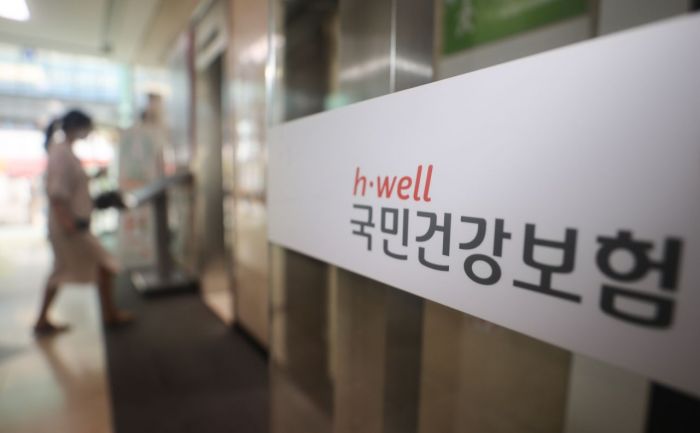
There was also an opinion that overcoming the limitations of the current fee-for-service health insurance system is necessary to maintain sustainable finances. The fee-for-service system refers to a method of paying medical fees by assigning prices to examination fees, treatment fees, drug costs, etc., from the health insurance fund. Since compensation is made according to the volume of medical services provided, there is criticism that it may encourage over-treatment. Senior Researcher Shin Hyun-woong of the Korea Institute for Health and Social Affairs said, “It is necessary to secure the basis for various compensation systems through amendments to the current Health Insurance Act,” and added, “A new standard should be established where more compensation is given as the health of the people improves.”
Also, Researcher Shin said, “the current expenditure-first (planning expenditures based on estimated spending and then planning income) financial management system should be improved to an income-first (planning expenditures based on estimated income) structure in the future.” This is because in the past, high growth meant incoming money exceeded outgoing money, but the opposite is expected in the future. He further explained that a ‘medical safety net fund’ should be established to guarantee the use of essential medical services. The Ministry of Health and Welfare plans to reflect the expert opinions from this Medical Security Innovation Forum in this year’s ‘Health and Medical Development Plan’ and the ‘2nd Comprehensive Health Insurance Plan.’
© The Asia Business Daily(www.asiae.co.kr). All rights reserved.



















