Now It's Time to Prioritize 'Health' Over Taste
Did the cherry blossoms bloom and fall unusually early this year? I felt that spring had fully arrived, but the cold snaps make me instinctively curl up. The large temperature differences weaken our immune system, making it easy to catch a cold. No matter how much you exercise or take vitamins, can anything beat the various nutrients obtained from seasonal foods? Although these ingredients are good to eat anytime, I will introduce April seasonal foods that provide double the benefits if eaten now. How about enjoying both taste and health with the ingredients introduced?
Naengi & Dallae
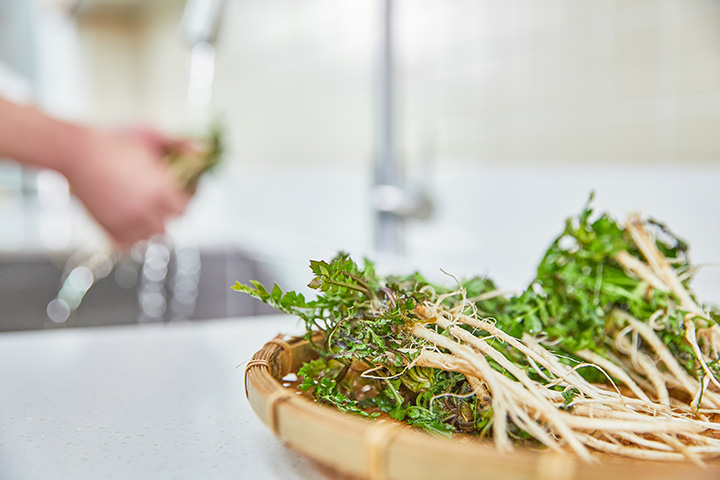
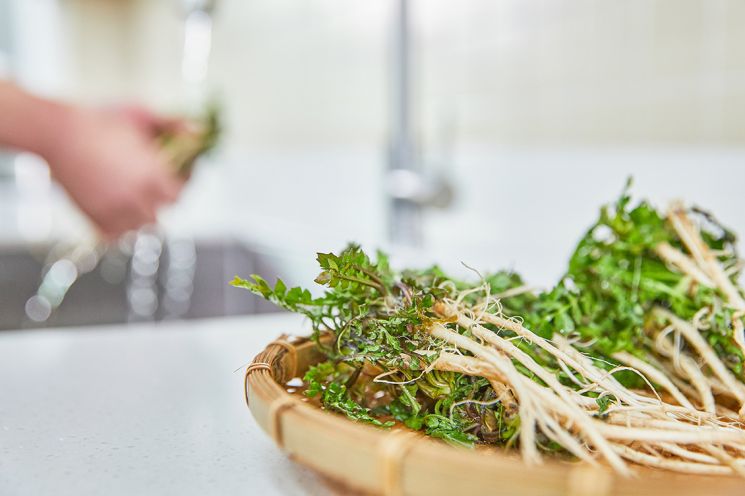
A clear sign that spring has come can be found in spring greens. Among them, Naengi and Dallae are indispensable. Naengi is a vegetable with a strong bitter taste that divides opinions, but once you fall for its unique fragrance, it has an irresistible charm. It is high in protein and rich in vitamins A and C, as well as calcium. Naengi seasoned with doenjang (fermented soybean paste) restores the appetite lost during winter, so give it a try. Dallae, which is good for restoring energy, contains allicin, giving it a spicy taste. It also helps stimulate appetite and improve blood circulation. Especially, adding Dallae to doenjang jjigae (soybean paste stew) gives a fresh yet deep flavor to the stew, so keep that in mind.
Durup
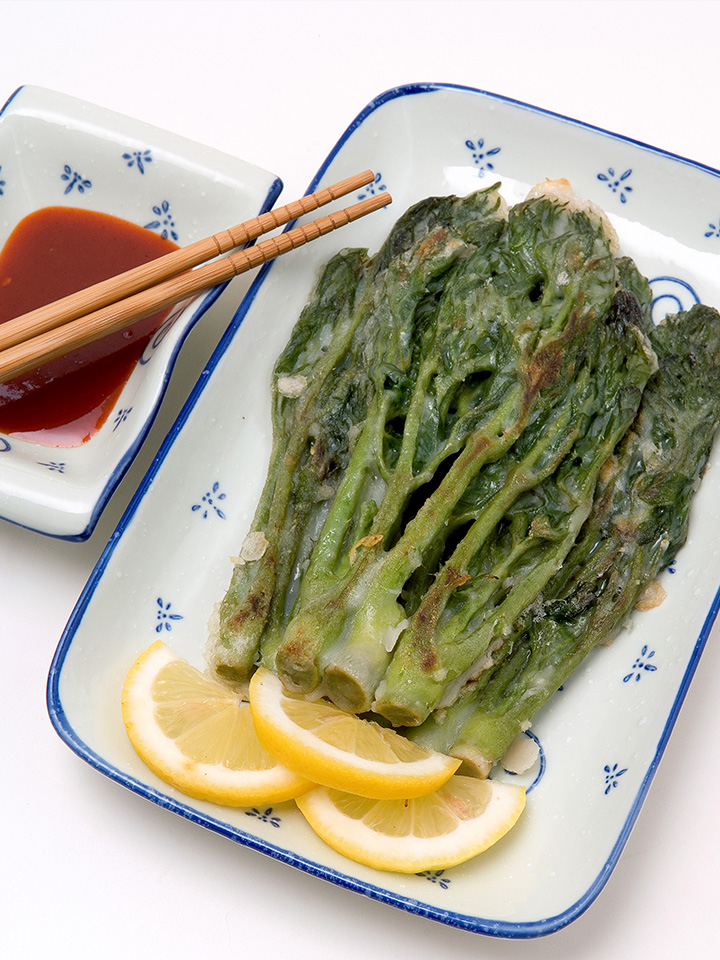
Durup, which should be eaten from April through May to maximize its benefits, is known as the king of spring greens, with a saying that eating it in spring is like gold, and in autumn like silver. So now is truly its peak season. One thing you can't miss in spring is spring fatigue. Durup, effective against spring fatigue, supplies vitality to the body and relieves tiredness. If your body feels sluggish due to the sudden warm weather, I recommend lightly blanching Durup and dipping it in spicy vinegar sauce. Goodbye, spring fatigue-★
Deodeok
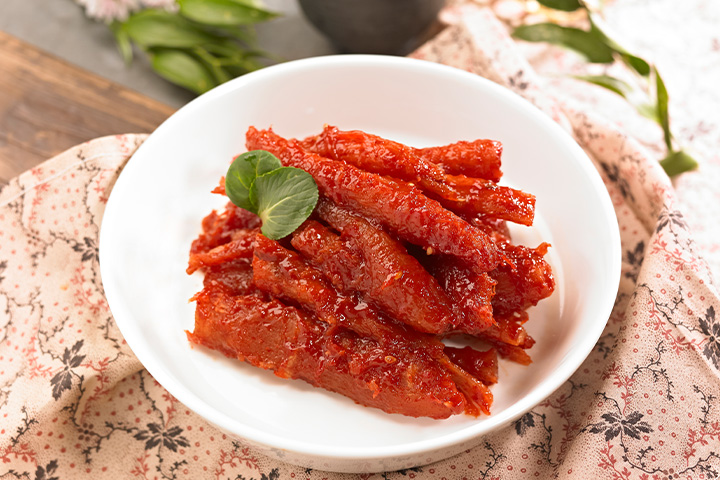
The reason Deodeok has a bitter taste and a strong unique aroma is because it contains saponins. Since ginseng also contains a lot of saponins, it has a somewhat similar feel. Saponins are good for cancer prevention. Moreover, they are effective in preventing bronchial diseases such as coughs and phlegm, and when eaten with meat, they neutralize the acidic components of meat, making a good combination. Deodeok is rich in fiber and has a characteristic of tearing along the grain, so if the bitter taste is still difficult, I recommend tearing it along the grain and consuming it little by little.
Jjukkumi
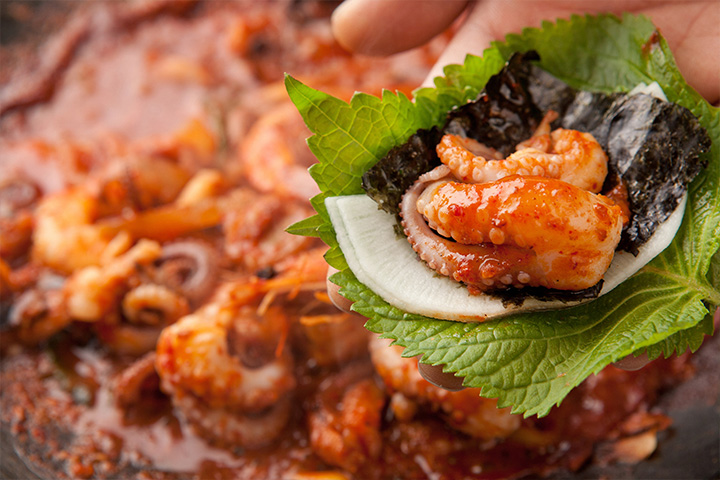
Jjukkumi, which is in season from March to April, is great lightly blanched and dipped in spicy vinegar sauce, or stir-fried with spicy seasoning. It contains a large amount of unsaturated fatty acids such as DHA, which helps lower cholesterol levels, and thanks to a component called taurine, it is also good for fatigue recovery. Also, it is low in calories, making it a popular diet food. Of course, you shouldn't eat it too salty.
Mideodeok
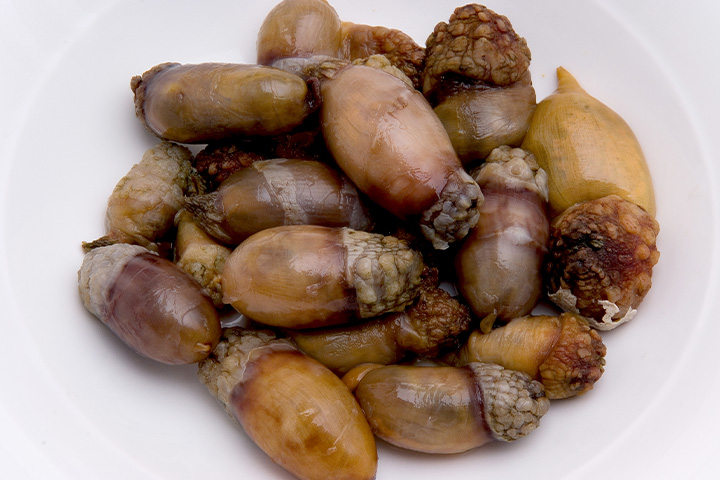
Mideodeok is commonly found in seafood stews or steamed seafood dishes. Have you ever skipped eating it? If so, I highly recommend trying it now. Mideodeok, with its bumpy and plump shape, has a unique and fun crunchy texture. It is effective in preventing high blood pressure and cerebral hemorrhage, and has significant effects in anticancer action and anti-aging. Together with Jjukkumi, it is low in calories and perfect as a diet food. When eating Mideodeok in hot dishes, be careful not to burn your tongue.
Eat quickly before April ends!!!
© The Asia Business Daily(www.asiae.co.kr). All rights reserved.



















