"Why Can't China Do It?" High Praise for Japanese Cuisine
There are observations that Jack Ma, the founder of China's Alibaba, who disappeared after falling out of favor with the authorities, spent a year researching food resources.
The Wall Street Journal (WSJ) reported on the 28th (local time) that Jack Ma appeared in various countries overseas in fields that did not seem directly related to information technology (IT).
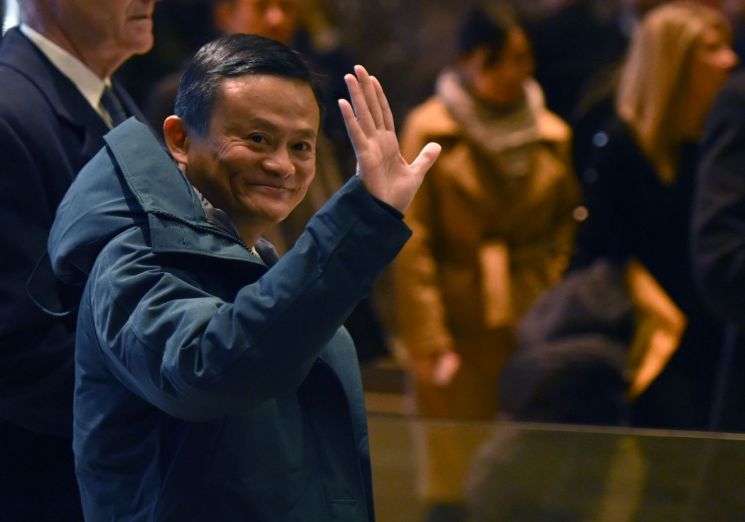
Jack Ma rose to the top position in China's IT industry while managing Alibaba, but after publicly criticizing financial authorities in October 2020, he went into seclusion abroad. Since then, his movements across several countries have attracted attention.
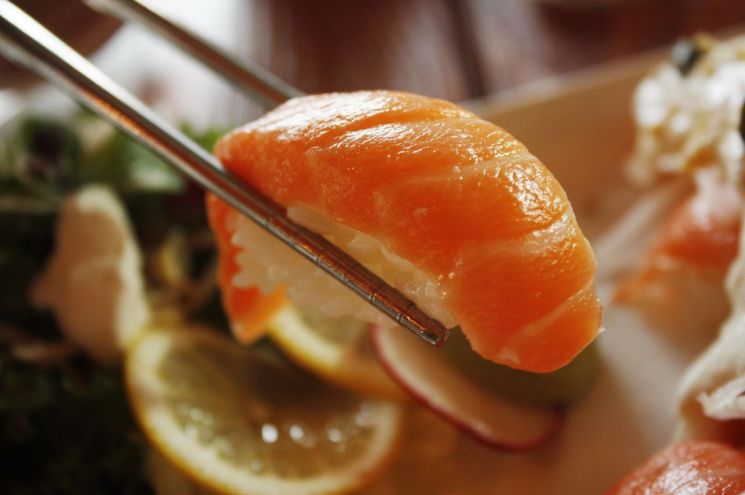
WSJ reported that Jack Ma mainly stayed in Japan after October 2020. While staying at the hot spring resort Hakone in Japan, his secretary was often seen taking out sea urchin and tuna sushi for takeout. An associate said that at the time, Jack Ma praised Japanese cuisine highly and wondered why China could not produce such food.
Additionally, in October last year, Jack Ma visited the Fisheries Research Institute at Kinki University in Osaka, Japan, to observe aquaculture facilities. Kinki University is known for successfully farming bluefin tuna, a favorite among sushi enthusiasts. At the time, Jack Ma visited as part of a foreign business delegation without revealing his identity. University officials said they only realized his visit after seeing signatures and photos left on site.
In January, Jack Ma visited Bangkok, Thailand, where he met with the head of a local group to explore solutions to food shortages and showed interest in Thailand's rice farming technology.
He was also spotted in Spain in June last year, the Netherlands in July of the same year, and in Australia and Fiji in February.
Meanwhile, on the 28th, Alibaba announced it would reorganize into a 1+6+N structure consisting of a holding company, six independent business groups, and additional groups to be added in the future. Foreign media such as Bloomberg viewed that the company is likely to appoint CEOs for each of the six independent business divisions to gain support from Chinese regulatory authorities.
© The Asia Business Daily(www.asiae.co.kr). All rights reserved.


















