Controversy Over Statements by Senior Members of Nippon Ishin no Kai and LDP
House of Representatives Female Ratio Only 10%
In Japan, ahead of the upcoming local elections and by-elections next month, a season of elections, controversy has erupted as senior members of political parties who pledged to increase women's political participation have repeatedly made disparaging remarks about female politicians. Although the proportion of female members in Japan's House of Representatives is only 10%, drawing criticism that women's political participation is at a developing country level, the conservative atmosphere in Japanese politics is expected to be difficult to change easily.
According to the Asahi Shimbun on the 29th, Nobuyuki Baba, leader of the conservative opposition party Japan Innovation Party, said at a press conference the day before, in response to a question about measures to increase the proportion of female candidates, "Elections are a very tough battle, so our party does not consider rules such as prioritizing women." He added, "I myself think about elections all the time except when I am sleeping or bathing, 365 days a year, and engage in political activities. There are few women who can accept and carry that out." He further stated, "As long as the current electoral system (single-member districts) continues, even if there are rules regarding women, it will be difficult for them to settle in the parliament."
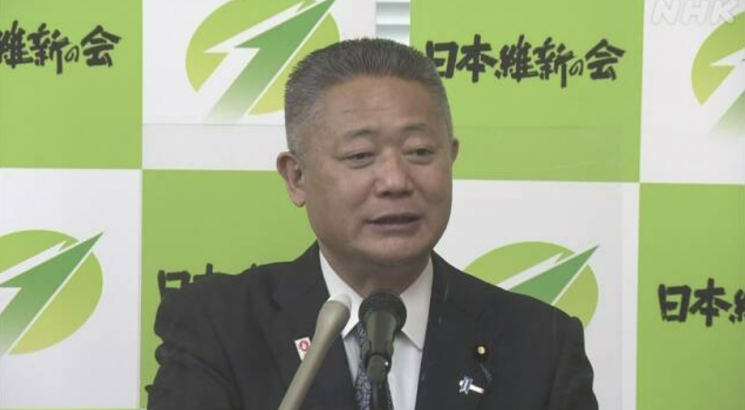
Immediate criticism poured in over the disparaging remarks about female politicians. Even journalists who attended the press conference pointed out in their notebook-style comments, "The Innovation Party is also proposing measures to support babysitter fees for candidates raising children. I don't understand why the party leader made such remarks." There was also a flood of criticism saying that if they understood the difficulties women face in entering politics or the importance of governance diversity, such remarks would not have been made and that such comments are unacceptable for a leader.
Earlier, on the 23rd, a gaffe by former Prime Minister Yoshir? Mori, known as a senior member of the Liberal Democratic Party (LDP), came under scrutiny. At an LDP House of Councillors political event held in Tokyo, he referred to his experience in a close contest with a rookie female candidate from the Democratic Party in 2009, losing by 4,500 votes, and said, "I really dislike facing women," drawing criticism. He said, "I should not despise female opponents, but I don't understand the tactics of women in elections, whether it's aerial warfare or something else."
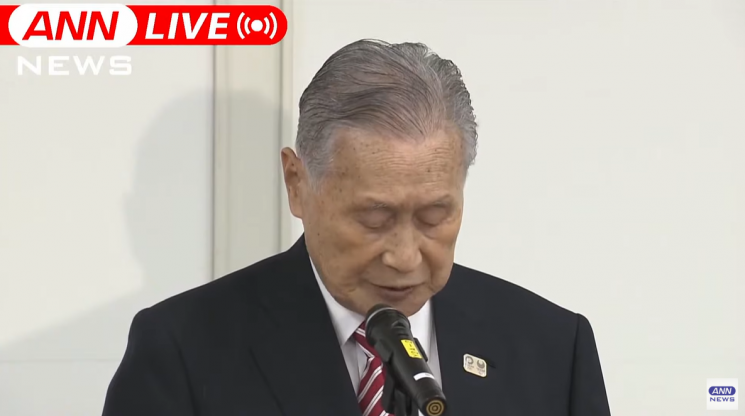
He also said, "I have worked hard abandoning myself, but thinking that a woman like that got almost the same number of votes as me makes me lose trust in my constituency," and added, "I know well the agony of elections where women are treated as opponents." Former Prime Minister Mori resigned as chairman of the Tokyo Olympic Organizing Committee after controversy over his remark at a 2021 meeting addressing the increase of female directors in the Japanese Olympic Committee, where he said, "Boards with many women talk too much, so meetings take longer."
Japanese media continue to point out that the proportion of female politicians in Japan is excessively low ahead of the elections, but the repeated gaffes by senior politicians have only solidified the perception that change will not come easily. In Japan, no woman has ever served as prime minister, and currently, there are only two women in the cabinet. Although there is a Gender Equality Promotion Law that calls for nominating male and female candidates in nearly equal numbers in elections, it lacks enforcement power and is largely ineffective. The Yomiuri Shimbun cited a report from the Cabinet Office in January, stating, "The proportion of women in Japan's House of Representatives is 10.0%, ranking 165th out of 190 countries," and pointed out that "Japan is also late globally in women's political participation."
© The Asia Business Daily(www.asiae.co.kr). All rights reserved.
![Clutching a Stolen Dior Bag, Saying "I Hate Being Poor but Real"... The Grotesque Con of a "Human Knockoff" [Slate]](https://cwcontent.asiae.co.kr/asiaresize/183/2026021902243444107_1771435474.jpg)

















