Establishment of a One-Stop System for Online Checklist Creation and Submission, Expected to Improve Convenience for Business Owners and Increase Participation Rates
Joint On-Site Inspections by Public Officials and Honorary Public Health Inspectors for Businesses Not Participating in Self-Inspection or with Insufficient Results
Yangcheon-gu (District Mayor Lee Gijae) is conducting self-inspections by the end of May for 1,631 public hygiene facilities, including multi-use facilities such as hair salons, beauty salons, lodging businesses, and bathhouses, by establishing a one-stop system that allows checklist creation and submission entirely online.
The self-inspection system for public hygiene facilities is a self-diagnostic method designed to encourage business owners to take responsibility for identifying and improving vulnerabilities in their establishments, thereby raising hygiene standards.
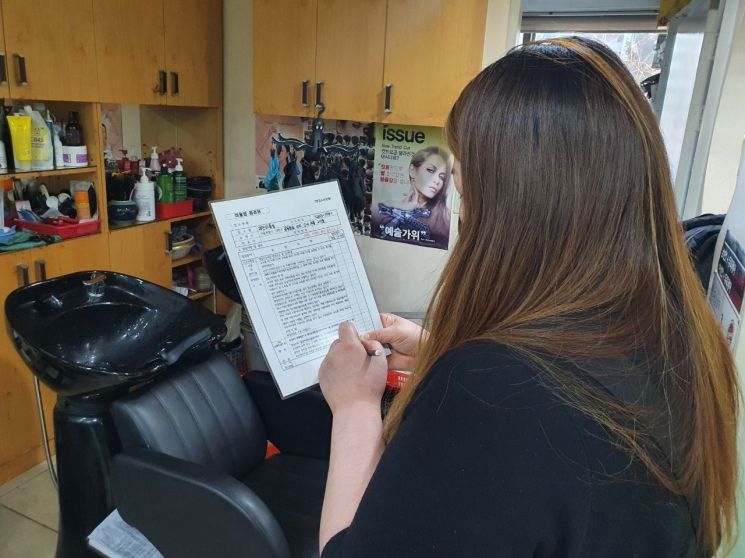
In particular, starting this year, the district has built an online self-inspection system, significantly improving upon the previous method of submitting handwritten checklists via fax or email, aiming to enhance convenience and participation rates for business owners.
Business owners can access the public health center’s website at their preferred time, conduct the self-inspection without separate registration, and submit the checklist once between March and May. For those who have difficulty accessing online services, the district will continue to offer telephone consultations and handwritten submissions.
This year’s inspection targets include 101 hair salons, 1,249 beauty salons, 17 lodging businesses, 28 bathhouses, 151 laundries, and 85 building hygiene management businesses, totaling 1,631 establishments. The district plans to conduct joint on-site inspections with honorary public health inspectors and public-private cooperation from June to August for businesses that do not participate in the self-inspection.
Last year, Yangcheon-gu achieved an 83% participation rate in the public hygiene self-inspection, a 13% increase compared to 2021.
Lee Gijae, Mayor of Yangcheon-gu, stated, “We hope that the newly introduced online self-inspection system will increase participation among business owners, contributing to the improvement of hygiene and service levels at public hygiene facilities and promoting the health and welfare of our residents.”
Gwanak-gu Manages Small-Scale Aged and Hazardous Buildings Using IoT Measurement
Real-Time Monitoring of Building Cracks and Other Data via IoT Sensors... Systematic Management and Rapid Response
Two Sensors Attached to Each of Nine Buildings, Four More to Be Installed After Demand Survey by June
Gwanak-gu (District Mayor Park Junhee) is thoroughly managing building safety by utilizing Internet of Things (IoT) technology through its “Small-Scale Aged and Hazardous Building IoT Measurement Management” initiative.
The IoT measurement management targets small-scale aged and hazardous buildings over 30 years old that have been rated as “insufficient” or are deemed by experts to require measurement management, including hazardous buildings and third-class facilities.
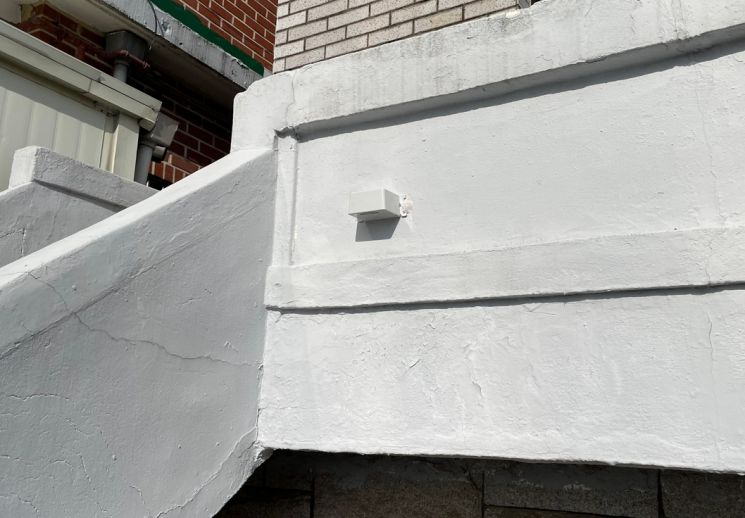
Currently, safety inspections of aged and hazardous buildings are conducted visually on-site by experts, which has some limitations in measurement and management. The district is transitioning to a digital inspection method to enable systematic building safety management and rapid response.
IoT sensors are attached to buildings to measure tilt and crack data, which are stored and analyzed in real time and monitored via mobile devices. This not only allows for rapid response but also enables history management based on objective data, such as identifying causes and circumstances of incidents, serving as foundational data for establishing a safety management system.
The district currently operates measurement management by attaching two IoT sensors each to nine buildings, totaling 18 sensors, and plans to select four additional sites for IoT measurement management after a demand survey by June. If changes exceeding threshold values are detected by the IoT sensors, risk detection alerts are shared with the safety management department for prompt response, preventing accidents such as collapses.
A district official stated, “We will continue to prioritize residents’ safety and conduct systematic and prompt building safety management to ensure that no safety blind spots arise from hazardous buildings.”
© The Asia Business Daily(www.asiae.co.kr). All rights reserved.
![Clutching a Stolen Dior Bag, Saying "I Hate Being Poor but Real"... The Grotesque Con of a "Human Knockoff" [Slate]](https://cwcontent.asiae.co.kr/asiaresize/183/2026021902243444107_1771435474.jpg)

















