Director Fassbinder Critiqued 독사회 Through Melodrama
Seoul Art Cinema Retrospective from 29th... Screening of Major Works
The protagonist of the film Anxiety Eats the Soul (1974) is Emmi (Brigitte Mira), a sixty-year-old cleaning lady and former Nazi party member. One day, seeking shelter from the rain, she enters an Arab caf? and meets Ali (El Hedi Ben Salem), a young Moroccan migrant worker. He is weary of the prejudices in German society. "In Germany, Arabs are considered less than insects." Emmi also experiences a sense of alienation. She has lost confidence due to her old age and overweight appearance. They share their loneliness, fall in love, and get married. However, unable to endure the harsh stares of those around them, they quarrel and separate. Their true feelings reconnect belatedly.
"I slept with another woman." "It doesn't matter. You belong to yourself. When we're together, let's cherish each other. Otherwise, life isn't worth living. I know too. That I am old."
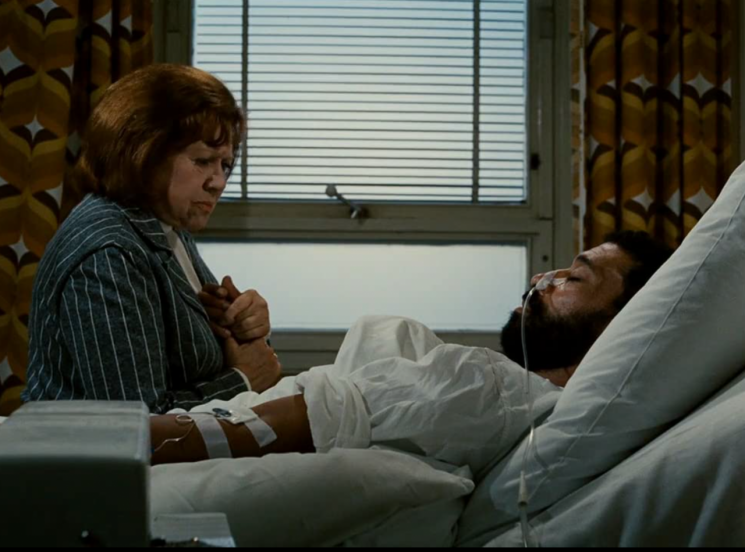
Director Rainer Werner Fassbinder regarded Hollywood melodramas as an ideal vessel to carry a critical spirit. He radically restructured them to deeply explore existential issues of people alienated in the political reality of postwar divided Germany and the shadows of capitalism. He perceived it as a wound in German history and captured the intense anger of the youth. His works consistently presented new representations: hidden power relations inherent in family and love, forgotten history due to Nazism and the ruins of war, and social and sexual minorities.
A large number of Fassbinder’s works from the New German Cinema (a film movement that took place in Germany from the late 1960s through the 1970s) will be screened. Cinematheque Seoul Art Cinema and the film company M&M will hold a retrospective from the 29th of this month until the 23rd of next month. They will showcase ten representative works including Anxiety Eats the Soul, Katzelmacher (1969), Beware of a Holy Whore (1971), The Bitter Tears of Petra von Kant (1971), The Merchant of Four Seasons (1971), World on a Wire (1973), Fox and His Friends (1975), Mother K?sters' Trip to Heaven (1975), Chinese Roulette (1976), and Maria Braun (1979).
Also introduced are films to be appreciated in relation to Fassbinder, such as Christian Petzold’s Phoenix (2014), Alain Guiraudie’s Stay Vertical (2016), Alice Rohrwacher’s Happy as Lazzaro (2018), and Fran?ois Ozon’s Peter von Kant (2022). Seoul Art Cinema explained, "Fassbinder created over forty films in a furious pace over fifteen years until his death in 1982. His legacy, which captures half a century of German history, politics, and sensibility, continues to inspire new generations of filmmakers."
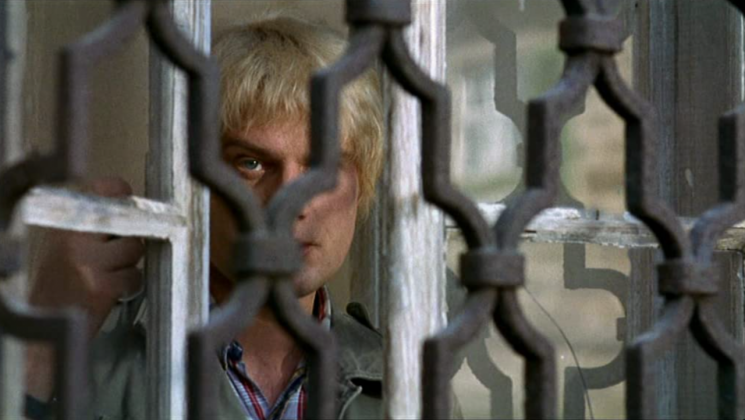
The densely stylized visual style is also noteworthy. Stylization refers to the director’s attitude of deliberately imposing form so that the film does not hide that it is a film. Fassbinder actively employed parody through citation, ironic play with genre conventions, and presentational acting. Professor Sangjun Bae of Konkuk University’s Department of Cultural Contents explained in his book Author Films, "The style that emphasizes ‘how’ rather than ‘what’ makes the film recognized as a handcrafted work touched by the artist’s hand. It is precisely the artist’s touch that signifies the essence of author films."
© The Asia Business Daily(www.asiae.co.kr). All rights reserved.
![Clutching a Stolen Dior Bag, Saying "I Hate Being Poor but Real"... The Grotesque Con of a "Human Knockoff" [Slate]](https://cwcontent.asiae.co.kr/asiaresize/183/2026021902243444107_1771435474.jpg)

















