Countries Coupled with US Interest Rates
Gradually Shifting to Decoupling
Central banks around the world, which had been raising benchmark interest rates following the United States, have begun to slow down their monetary policy pace. Until last year, rates were increased to narrow the domestic and foreign interest rate gap caused by the US's aggressive tightening and to curb high inflation. However, as high interest rates started to burden the economy, some countries have begun to freeze or lower rates. There is growing speculation that decoupling between the US and other central banks will intensify this year.
Will Taiwan Also Freeze Its Benchmark Interest Rate?
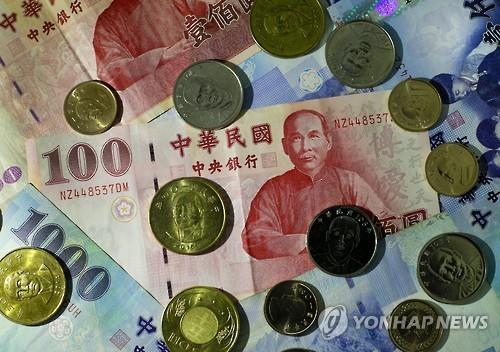
According to Bloomberg on the 22nd (local time), Taiwan's central bank is expected to freeze its benchmark interest rate at its first monetary policy meeting of the year on the 23rd. This meeting will be the first since Yang Chin-long, Governor of Taiwan's central bank, successfully secured a second term last month.
In a survey of 24 experts conducted by Bloomberg, 19 predicted that Taiwan's monetary authorities would keep the benchmark interest rate steady at 1.75%. Taiwan's central bank had raised rates four consecutive times starting with a 0.25 percentage point hike in March last year, but it is expected to halt rate increases at this year's monetary policy meeting. The reason is that further rate hikes could burden Taiwan's economy.
Gary Ng, Chief Economist at Natixis, a French investment bank, analyzed, "External headwinds and a downturn in the global technology cycle will pose obstacles to Taiwan's economy. Although inflation may persist in the short term, the real economy cannot withstand further pressure, so the central bank needs to consider freezing rates."
The Philippine central bank, which also decides its benchmark interest rate on the same day, is expected to reduce the rate hike to 0.25 percentage points, half of last month's 0.5 percentage point increase. Experts attribute this to the slowdown in the consumer price index (CPI) growth rate in February, providing room to reduce the hike.
Some countries, including South Korea, have already frozen or cut interest rates. The Bank of Korea maintained its benchmark interest rate at 3.5% last month, deciding to freeze it for the first time in a year. Vietnam has already cut rates. On the 14th, the State Bank of Vietnam lowered the benchmark interest rate by 0.5 to 1 percentage point. The rediscount rate, which is the rate applied when the central bank lends to commercial banks, was reduced from 4.5% to 3.5%, and the overnight interbank lending rate was cut from 7% to 6%. Among the Group of Seven (G7) countries, the Bank of Canada officially announced a halt to rate hikes by freezing its benchmark rate at 4.5% this month. The Bank of Canada explained that the economy slowed faster than expected, leading to reduced household consumption and corporate investment.
Stimulating the Economy Is Urgent... The US SVB Incident Also Supports Easing Tightening
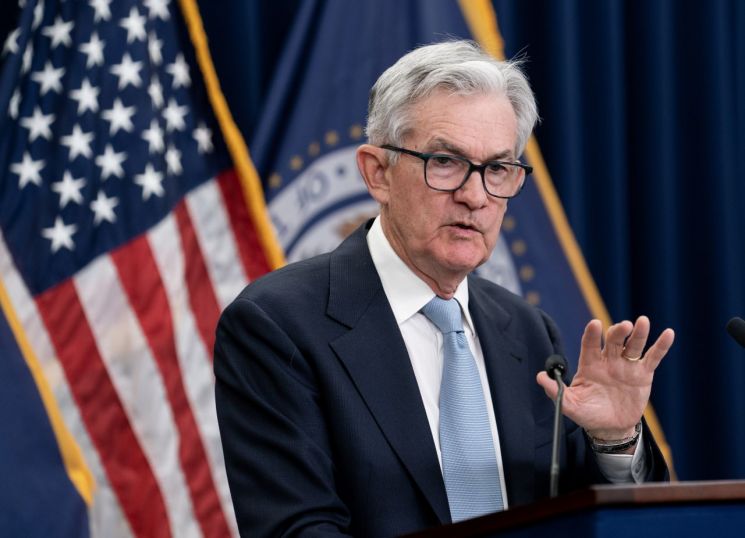
The reason some countries have started to revise their rate hike stance this year is that the shock of high interest rates on the economy is significant, and monetary policy needs to be tailored to their domestic economic conditions. There is growing fear that excessively high rates could increase the burden on households and businesses, hampering growth. According to the International Monetary Fund (IMF), emerging markets' economic growth averaged 4.8% from 2012 to 2018 before the COVID-19 pandemic, but it is expected to be only 4.0% this year and 4.2% next year. Despite inflationary pressures and concerns about foreign capital outflows due to currency depreciation, many countries are shifting their monetary policy focus from 'inflation control' to 'economic stimulus' due to more severe economic slowdown.
The recent collapse of Silicon Valley Bank (SVB) in the US earlier this month has also made the Fed's rate hikes more burdensome, potentially accelerating the pace of tightening adjustments by other countries. The SVB incident occurred as companies, struggling to raise funds amid rising rates, rushed to withdraw deposits, and the bank could not cope, leading to bankruptcy. This has increased criticism of the Fed's aggressive tightening both domestically and internationally. At the Federal Open Market Committee (FOMC) meeting held that day, the Fed only implemented a "baby step" (a 0.25 percentage point increase). Before the SVB incident, the market had expected a 0.5 percentage point hike.
The Bank of Korea, which must decide its benchmark interest rate at next month's monetary policy meeting, has also been relieved. Although the interest rate gap between Korea and the US has widened to a record 1.5 percentage points, the US's avoidance of a big step has eased pressure. Bank of Korea Governor Lee Chang-yong has already stated that the current 3.5% benchmark rate is at a "tightening level," indicating limited room for further hikes. There are also forecasts that more emerging markets will cut rates within the year. US investment bank JP Morgan expects five countries?Hungary, Chile, Peru, the Czech Republic, and Colombia?to lower rates in the second or third quarter. This is because preemptive rate hikes have increased currency values, negatively affecting exports and hindering economic recovery.
However, if recent global financial system instability concerns are resolved early and inflation in developed countries persists, emerging markets' independent monetary policies could backfire. The International Finance Center stated, "If market instability related to the recent SVB closure and Credit Suisse (CS) liquidity concerns is alleviated by effective authorities' responses, the developed countries' rate hike trend due to persistent high inflation may reemerge. Emerging markets will find it difficult to go against major countries' monetary policies due to concerns about capital outflows and currency instability, and there is a risk that high policy rates will increase economic burdens."
© The Asia Business Daily(www.asiae.co.kr). All rights reserved.


















