Establishment of 'Comprehensive Earthquake Disaster Prevention Plan' 5 Years Ahead of Government Target
Support for Seismic Reinforcement of Private Buildings and Expansion of Outdoor Evacuation Sites
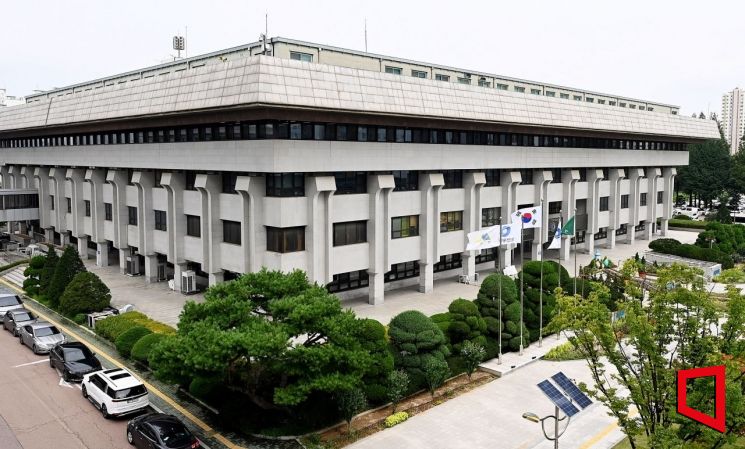
Incheon City has decided to complete the seismic retrofitting rate of public facilities by 2030, five years ahead of the government’s target.
The city announced on the 21st that it will establish and implement a "Comprehensive Earthquake Disaster Prevention Plan" to strengthen earthquake response capabilities.
So far, the city has been implementing various earthquake disaster prevention measures, including seismic reinforcement projects for public facilities, earthquake drills, education and publicity, designation and management of earthquake shelters, and, as the first local government, conducting research on tsunamis caused by earthquakes.
In particular, following the massive damage caused by the earthquake in Turkiye last month and the heightened global awareness of earthquakes, the city decided to establish comprehensive measures for earthquake disaster prevention to strengthen response capabilities.
First, the city revised its goal to achieve a 100% seismic retrofitting rate for 1,985 public facilities by 2030, shortening the deadline by five years from the Ministry of the Interior and Safety’s plan of 2035.
To prepare for large-scale earthquakes, the city plans to first secure the earthquake safety of major public facilities closely related to citizens’ lives, such as waterworks, bridges, and tunnels, as well as public office buildings that serve as earthquake disaster control towers, minimizing social confusion and damage.
For private buildings, in addition to the earthquake safety facility certification support project that has been underway since 2020, the city will launch a seismic reinforcement construction cost support project starting this year.
The city will support 20% of the total cost of seismic reinforcement construction, including design fees (10% national funds and 10% local funds). The support targets are private buildings that have completed seismic performance evaluations and require seismic reinforcement. The city plans to continuously consult with the government to reduce the self-payment ratio for private building owners.
Earthquake education and training will also be strengthened. Earthquake evacuation drills, which had been suspended due to COVID-19, will be resumed, and musical performances aimed at preventing earthquake damage tailored to children’s perspectives will be held.
The city will also expand outdoor earthquake evacuation sites. Until now, the goal was to achieve 100% capacity for local residents at the county and district levels, but the city plans to take a step further by designating additional evacuation sites in towns, townships, and neighborhoods where 100% capacity cannot be met.
Along with this, the city is considering introducing a disaster situation dissemination system for citizens. This system allows rapid dissemination of disaster information through various media such as electronic billboards, local broadcasters, and SNS with just one click.
An official from Incheon City stated, "We will strengthen the management of aging earthquake accelerometers, inspect earthquake response manuals in the first and second halves of the year to improve any shortcomings, and faithfully implement the comprehensive earthquake disaster prevention plan."
© The Asia Business Daily(www.asiae.co.kr). All rights reserved.
![User Who Sold Erroneously Deposited Bitcoins to Repay Debt and Fund Entertainment... What Did the Supreme Court Decide in 2021? [Legal Issue Check]](https://cwcontent.asiae.co.kr/asiaresize/183/2026020910431234020_1770601391.png)















