Executives Sell $7 Million in Stock
Internal Trading Information Disclosed to FDIC
Investors Struggle with Initial Response
Executives of First Republic Bank sold millions of dollars worth of company stock two months before the stock price plummeted following the collapse of Silicon Valley Bank (SVB), the Wall Street Journal (WSJ) reported on the 16th (local time). Although they avoided legal issues by selling the stock on pre-reported dates, it is expected to be difficult to escape criticism that they deliberately circumvented regulations.
Chief Risk Officer Also Liquidated Shares Before Liquidity Crisis
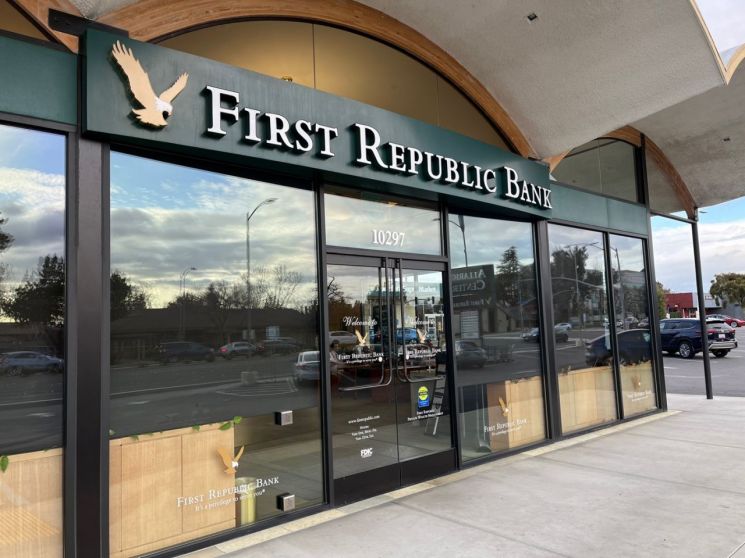
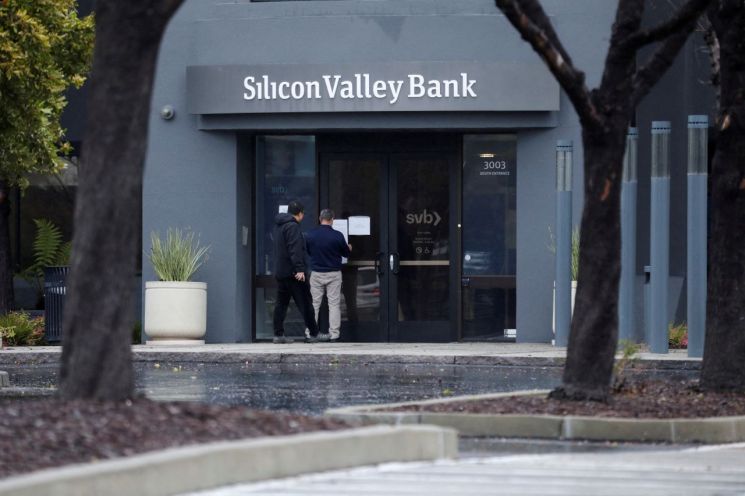
WSJ cited government documents revealing that on the 6th, First Republic's Chief Risk Officer (CRO) sold shares. Two days after his stock sale, Silicon Valley Bank (SVB) announced it would sell its bond portfolio and raise $2.25 billion, causing bank stocks to plunge one after another. Among them, First Republic's stock experienced the largest drop. The stock price of First Republic, which closed at $115 on the 8th, fell to $34 on the 16th, a 70.43% decline in just one week.
According to government documents, Chairman James Herbert sold shares worth $4.5 million since early this year. First Republic's Chief Credit Officer (CCO), Chief Executive Officer (CEO), and President of Private Wealth Management also sold $7 million worth of shares. They sold their shares at an average price of $130 per share.
However, WSJ pointed out that investors did not realize this fact promptly. While most companies' insider trades must be reported to the U.S. Securities and Exchange Commission (SEC), First Republic is not obligated to report to the SEC. Instead, their transactions were disclosed to the Federal Deposit Insurance Corporation (FDIC).
Banks Without Insider Trading Reporting Obligations
WSJ cited research by Professor Kim Se-hwa of Columbia Business School, noting that when insider trading information is conveyed through the FDIC instead of the SEC, the market's initial response tends to be slower. This is because investors can more easily access information disclosed to the SEC. Additionally, WSJ stated, "Banks that are not required to report insider trades to the SEC are more likely to have executives sell shares before bad news breaks."
SVB also faced insider trading issues when it was revealed that its CEO sold a large amount of stock just before the bank's collapse. CEO Greg Becker sold 12,451 shares (approximately 4.76 billion won) of SVB Financial, SVB's parent company, on the 27th of last month. Becker reported his stock sale plan to financial authorities on January 26th, and if he was aware of SVB's capital increase plan at the time of reporting, it could constitute insider trading.
In response, the SEC strengthened regulations by requiring that stock sales can only occur 90 days after the plan is reported, citing that the time between reporting and actual trading was set too short. However, since the new rules take effect in April, CEO Becker and Chairman James are not subject to the strengthened regulations.
© The Asia Business Daily(www.asiae.co.kr). All rights reserved.
!["The Woman Who Threw Herself into the Water Clutching a Stolen Dior Bag"...A Grotesque Success Story That Shakes the Korean Psyche [Slate]](https://cwcontent.asiae.co.kr/asiaresize/183/2026021902243444107_1771435474.jpg)

















