22 Cases in 2022... 81.8% Insider Trading
55 Cases of Fraudulent Transactions Over 3 Years
The Korea Exchange stated that fraudulent trading, which had decreased to half the level in 2021, increased again last year, and urged caution when investing in companies with weak governance or those designated as non-compliant disclosure firms.
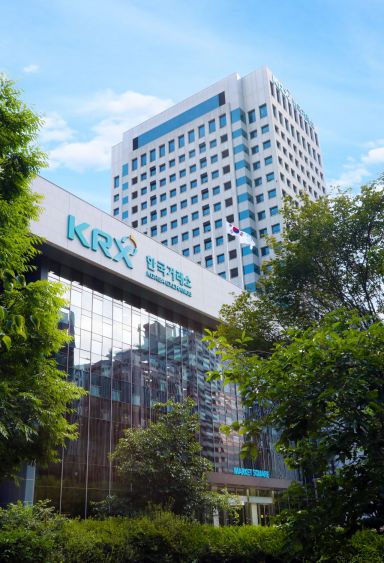
The Korea Exchange Market Surveillance Committee announced on the 15th that there were 22 cases last year in which allegations of fraudulent trading were reported to the Financial Services Commission (FSC). This is more than double the 10 cases in 2021. Over the past three years (2020?2022), a total of 55 allegations of fraudulent trading were reported to the FSC.
Among the 55 cases, 81.8% (45 cases) involved insider-related fraudulent trading by major shareholders and management. Specifically, 36 cases involved "corporate hunting-type fraudulent trading," where nominal companies (associations) with unclear substance acquired companies using borrowed funds and third-party capital, then boosted stock prices using favorable materials to realize profits. Fraudulent trading by company insiders accounted for 9 cases.
The remaining 5 cases involved fraudulent trading related to pseudo-investment advisory firms (leading rooms), and 5 cases were of other types.
Looking closely at insider-related fraudulent trading cases (43 companies, excluding duplicates), they shared common characteristics of recording losses and having weak governance.
The average operating loss over the past three years for these 43 companies was 5.8 billion KRW. The net loss was also significant at 18.3 billion KRW. Among them, 20 companies (46.5%) experienced capital erosion within the last three years, raising uncertainty about their continued existence as going concerns.
Additionally, the average major shareholder stake was 14.1%, lower than the average for listed companies (39.4%), and many had added thematic new businesses such as bio, blockchain, and secondary batteries to their business objectives.
Most of the stocks reported for allegations (42 companies) repeatedly disclosed large-scale external fund-raising decisions through issuing convertible bonds (CB), bonds with warrants (BW), and paid-in capital increases.
Thirty-eight companies were designated as non-compliant disclosure firms, with 26 of them designated two or more times. The main reason for designation as non-compliant disclosure firms was cancellation or correction of favorable disclosures, accounting for most cases (56 cases, 65.9%).
The Exchange Market Surveillance Committee advised, "Recently, insider-related fraudulent trading cases using similar methods have been repeatedly occurring," and "Since these stocks frequently experience long-term trading suspensions or delisting due to reasons for delisting, investors need to exercise special caution."
© The Asia Business Daily(www.asiae.co.kr). All rights reserved.

















