Gwangju City Council Members Condemn Development Dictatorship-Style One-Way Traffic
"Stop the Administration Trying to Reduce the Assembly to a Rubber Stamp"
At the end of last year, Gwangju Metropolitan City and the Gwangju City Council, which had conflicts over the main budget cuts but reconciled, are once again facing sparks of conflict.
City council members stated, "The city is once again showing 'lack of communication' regarding the 'Public Institution Structural Reform Plan' currently being promoted," and issued a strong statement saying, "It is truly regrettable and disheartening to witness the political disappearance crisis of Gwangju City, which is once again showing 'lack of communication' over the public institution structural reform plan."
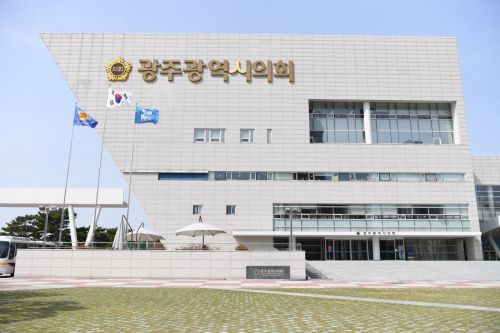
According to the Gwangju City Council on the 13th, Mayor Kang Ki-jung announced the public institution structural reform plan on the 23rd of last month, but only notified some council members partially and unilaterally, verbally or by phone, a day before to the council.
Then, at the full council meeting on the 27th of the same month, opinions were raised that announcing the reform plan before the organizational diagnosis service was completed was problematic, and it was decided to hold a separate interim report meeting on March 13. On March 8 and 10, the city pushed forward with surprise legislative notices on nine related ordinances, and some, including the ordinance related to the Sangsaeng Job Foundation, which is strongly opposed, were not even given legislative notice.
At the time just before the interim report at the full council meeting on the 13th, the city pushed forward with legislative notice, raising suspicions about its intentions. Even considering the schedule for enacting ordinances, there was sufficient time to report to the council before issuing legislative notice, but ignoring political schedules led council members to conclude that this was 'disregard for the council and unchecked administration.'
The council members issued a statement that day, saying, "The public institution structural reform plan is a significant issue involving the integration and abolition of city-affiliated organizations and personnel adjustments," and added, "It is necessary to gather diverse opinions not only from various stakeholders but also from citizens."
They continued, "Sufficient communication with the council is an indispensable element, and a complex and diverse opinion-gathering process is needed to minimize problems," and argued, "Above all, the worrying point is that the reform plan was announced before the organizational diagnosis service was completed, which inevitably raises controversy over the legitimacy of public institution reform."
Furthermore, they criticized, "Considering the past push-through style of development dictatorship, opaque processes, invisible causal relationships and service results, and inadequate opinion gathering, we cannot help but ask once again whether the 8th term of the Gwangju Metropolitan City truly regards the city council, the representative body of citizens, as a genuine partner."
They added, "Gwangju City must demonstrate leadership in communication to prevent political disappearance, immediately stop the one-way administration that tries to reduce the city council to a rubber stamp, and recognize it as a true partner to carry out city administration."
© The Asia Business Daily(www.asiae.co.kr). All rights reserved.

















