Martial Arts Brussels Branch Expresses Concerns of Korean Companies in Statement
The Korea International Trade Association (KITA) Brussels Office submitted a statement on June 6 (local time) reflecting the opinions of domestic companies regarding the EU Foreign Subsidies Regulation Implementation Act (draft). The statement included the need to amend the unclear definitions, excessive administrative burdens, and information requirements of the EU Foreign Subsidies Implementation Act (draft).
The EU Foreign Subsidies Regulation is a law introduced to prevent companies that have received subsidies from third countries from undermining the level playing field for fair competition within the EU when participating in mergers and public procurement within the EU. It contains technical details such as reporting forms and review periods for companies to report financial contributions (subsidies) they have received. The European Commission accepted stakeholder opinions until June 6 ahead of the law’s implementation on July 12.
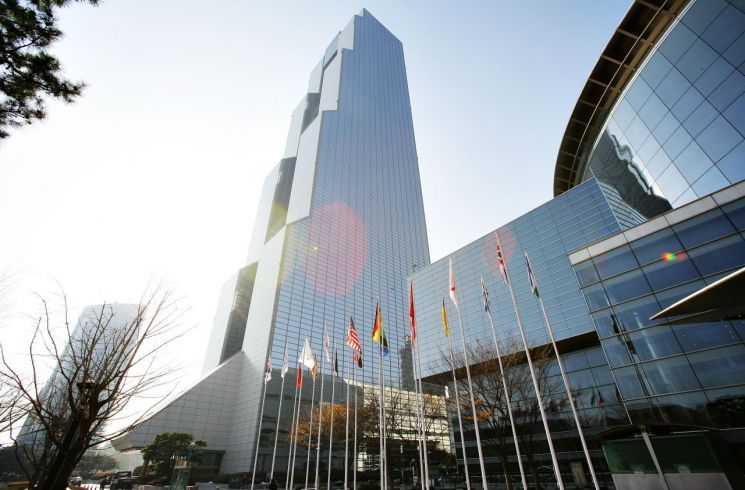
KITA raised three concerns in a statement issued in the name of the European Korean Business Association (secretariat: KITA Brussels Office), representing about 380 Korean companies operating in Europe.
First, there is a demand for enhanced additional protection of companies’ sensitive business information. This is because when foreign subsidies are pre-notified, companies are required to provide sensitive information such as the source of funds and transaction values. KITA emphasized the need for additional safeguards to protect the confidential information provided.
Second, KITA requested the reduction of companies’ administrative burdens by simplifying excessive information disclosure obligations. KITA stated that information difficult for the acquiring company to obtain or related to transaction due diligence should be excluded when companies undergo mergers and acquisitions.
Third, concerns were raised about the lack of specific guidelines on key matters. KITA pointed out that the scope of 'financial contributions' qualifying as subsidies is unclear. KITA explained that it is necessary to limit the scope to subsidies directly related to mergers and public procurement subject to reporting.
Joo Bitna, head of KITA’s Brussels Office, said, “If the definition of third-country subsidies is applied too broadly, companies engaged in multiple businesses acquiring EU companies may be forced to report and provide information on third-country subsidies received in business sectors unrelated to the acquisition.”
KITA plans to continue activities such as jointly submitting statements with other national organizations like the American Chamber of Commerce to the EU (AMCHAM EU). They aim to reduce the burden on domestic companies by requesting a narrower scope of subsidies subject to reporting under the EU Foreign Subsidies Implementation Act and simplification of information provision.
© The Asia Business Daily(www.asiae.co.kr). All rights reserved.
![Clutching a Stolen Dior Bag, Saying "I Hate Being Poor but Real"... The Grotesque Con of a "Human Knockoff" [Slate]](https://cwcontent.asiae.co.kr/asiaresize/183/2026021902243444107_1771435474.jpg)
















