Possibility of Soju and Beer Price Increases Again This Year
Factors Like Liquor Tax and Bottle Costs Rising After Last Year
Both Customers and Small Business Owners Smile Wryly... Home Drinking Expected to Spread
Prices of soju and beer, representative alcoholic beverages for the common people, are expected to rise consecutively from the beginning of this year, causing self-employed business owners to become anxious once again. The biggest reason is the increase in manufacturing costs, including liquor tax and bottle prices. After the liquor price hike early last year, the selling prices of alcoholic beverages in restaurants rose simultaneously, and a similar phenomenon is expected to continue this time as well.
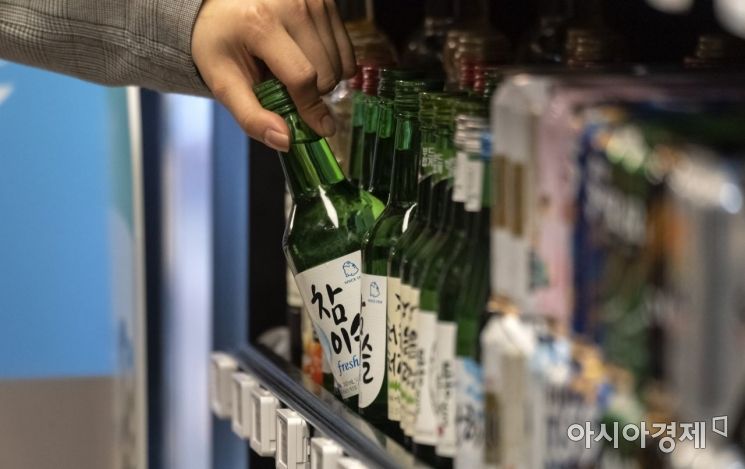
According to the industry on the 21st, the liquor tax, which is a tax imposed on alcoholic beverages, is scheduled to increase from April. The liquor tax on beer and takju, such as Makgeolli, will be raised by 3.57%, resulting in an increase of 30.5 KRW per liter for beer to 885.7 KRW, and 1.5 KRW per liter for takju to 44.4 KRW. Typically, liquor companies have raised the prices of their products immediately after liquor tax hikes. This time as well, a simultaneous adjustment of liquor prices is expected right after the tax increase.
In the case of soju, it is not subject to the liquor tax increase, but the cost burden is gradually rising. The ethanol used in soju increased by 7.8% last year for the first time in 10 years, and bottle prices are expected to rise this year. Bottling companies have decided to raise the supply price of empty bottles by about 40 KRW per bottle. Accordingly, the price of green bottles is expected to rise from 180 KRW to 220 KRW.
Usually, liquor product prices have been raised even after bottle prices increased. However, liquor companies are currently in a dilemma as they raised the ex-factory prices of soju and beer simultaneously last year. At that time, the increase reflected accumulated factors over several years all at once. Liquor companies such as HiteJinro, Lotte Chilsung Beverage, and OB Beer acknowledged that there are many factors for price hikes but stated that no decision has been made yet regarding price increases.
Given this situation, self-employed business owners are deeply worried. Typically, liquor prices rise by about 500 to 1,000 KRW per bottle immediately after a price hike, and if prices increase for two consecutive years following last year, they fear losing customers. In fact, early last year, as soju and beer companies raised prices sequentially, the selling prices of alcoholic beverages in restaurants and pubs increased, making the "Somaek (soju + beer)" 10,000 KRW era a reality. If the price hike occurs again this time, it is expected that the prices of soju and beer will exceed 10,000 KRW and reach 12,000 KRW.
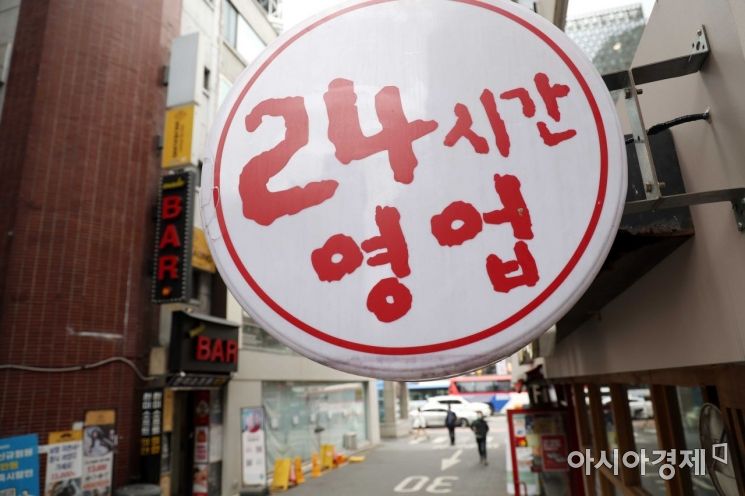
Debates are already taking place in self-employed communities. Some plan to freeze selling prices to avoid losing customers or to gradually raise prices after depleting existing stock. Although factors such as rising food material costs, labor costs, and electricity and gas fees are accumulating, it is difficult to raise prices recklessly. Some liquor wholesalers have circulated notices anticipating price hikes as early as the beginning of next month. Consequently, more business owners are ordering liquor in advance.
Cho Hyun-seong (39, pseudonym), who runs a Japanese-style pub in Anyang, Gyeonggi Province, said, "I am very worried as material costs, gas fees, and liquor prices are all expected to rise. Usually, liquor prices are the most sensitive part for customers, but raising prices might drive them away, and it is even harder to bear losses."
Meanwhile, there is also a forecast that the home drinking culture, which took root during the COVID-19 pandemic, will become more solidified as a reaction to this. An industry insider said, "The price hike itself is accepted as a given, but companies are deeply concerned about consumer resistance and market share. If liquor prices rise, it will inevitably burden not only consumers but also restaurants, which could serve as a catalyst for the home drinking culture to spread even more than now."
© The Asia Business Daily(www.asiae.co.kr). All rights reserved.
![User Who Sold Erroneously Deposited Bitcoins to Repay Debt and Fund Entertainment... What Did the Supreme Court Decide in 2021? [Legal Issue Check]](https://cwcontent.asiae.co.kr/asiaresize/183/2026020910431234020_1770601391.png)

















