Naver Zepeto 1st Generation Creator Renji
Earns 15M-50M KRW Monthly by Creating Metaverse Virtual Avatars
Expands Business and Nurtures Creators by Establishing 'Renjide' Corporation
Zepeto Takes 30% Creator Revenue
10 Times More Than Naver Smart Store

[Asia Economy Reporter Donghyun Choi] Creator 'Renji', who makes and sells virtual clothes worn by avatars on 'Zepeto', a global metaverse (extended virtual world) platform created by Naver. His monthly income ranges from 15 million KRW to as much as 50 million KRW. Renji is a famous influencer on Zepeto, which surpassed 400 million users at the end of last year. Renji said, "Many people feel vicarious satisfaction by dressing avatars in clothes that are difficult to try in the real world, such as underbust or cartoon character costumes," adding, "I happened to try making clothes as a hobby, and now it has become my job."
Renji dropped out of university where he majored in modeling. As someone who enjoyed avatar games, he became a first-generation creator when he encountered Zepeto in 2019. The avatar clothes Renji creates include various items such as clothes, shoes, and hairstyles. Simple outfits take about 8 hours to make, but complex designs can take up to 3 days. Prices range from 800 KRW to 3,000 KRW per item.
When Renji first started on Zepeto, many creators made and sold 2D clothes. However, Renji thought 2D would not be competitive, so he studied overnight and produced 3D clothes. Renji said, "In the beginning, 99% of creators made 2D clothes, so 3D clothes were rare," adding, "I self-taught 3D clothing production overnight and when I showcased it, the response was enthusiastic." Renji also achieved the number one global sales rank on Zepeto in 2020.
'
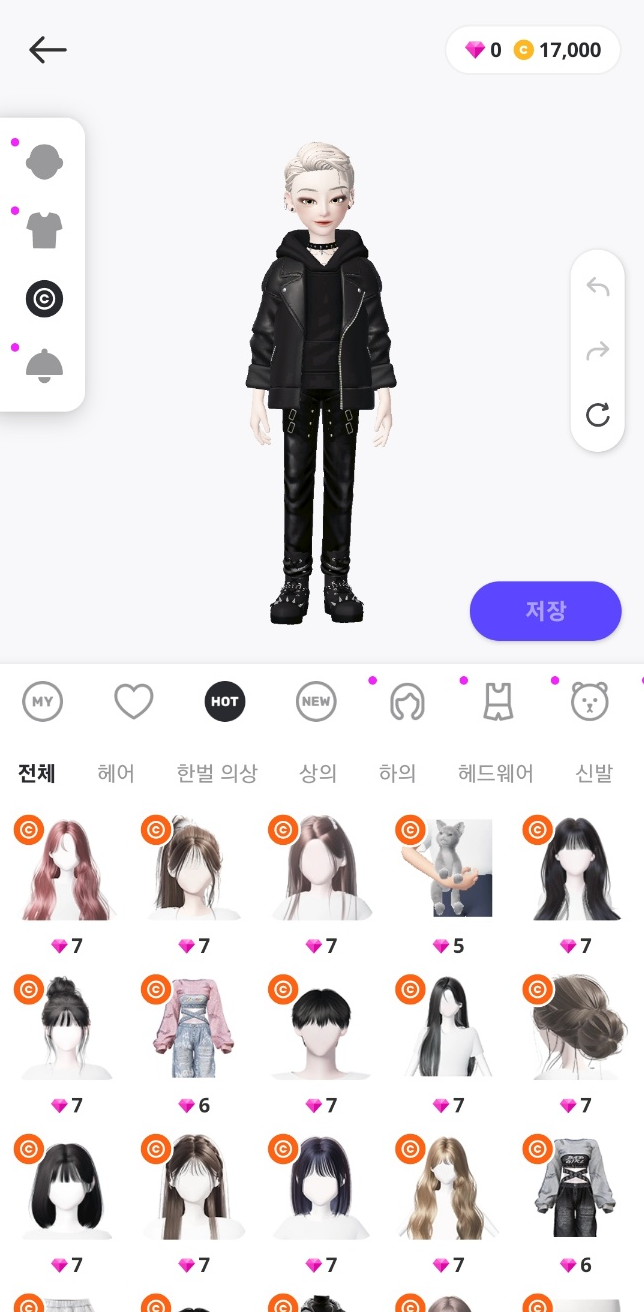
In January last year, Renji established a company called 'Renjid' and is now active as an entrepreneur. The goal is to grow his avatar 'Renji' into a global brand connecting the metaverse and reality, and to nurture metaverse creators. The company has 14 employees and 47 affiliated creators domestically and internationally. 'Seol-i', the top creator in Asia with 930,000 followers on Zepeto, is also affiliated with Renjid. Renji explained, "When I was a full-time creator, I was once the top in sales and earned a lot of money, but I wasn't very happy because I was too focused on new designs and sales," adding, "I established the company to help creators who have similar concerns and to grow together."
Renji plans to launch various new businesses this year. This month, he will launch 'T.I.B', a collaborative community for metaverse creators. This community connects aspiring metaverse creators, creators, and companies. In April, Renjid plans to release the intellectual property (IP) game 'Renjid Jump and Go' on Zepeto. They also plan to issue NFTs (non-fungible tokens) within the year. Renji said, "Our goal is to expand the Renjid IP universe and introduce content suited to various locations to the public."
Creators earn 300 KRW from selling 1,000 KRW items... 70% goes to fees and taxes

As of September last year, there were 2.83 million creators active on Zepeto, launched by Naver affiliate Naver Z in 2018, like Renji. The virtual clothes and other items sold by these creators on Zepeto total 184 million units.
How does the revenue structure for Zepeto creators work? When a creator sells an item, Google and Apple app stores take 30%, Zepeto takes 30% commission, and the creator pays 8.8% in other income taxes, leaving the remainder for the creator. So, if an item priced at 1,000 KRW is sold, the creator only keeps about 300 KRW.
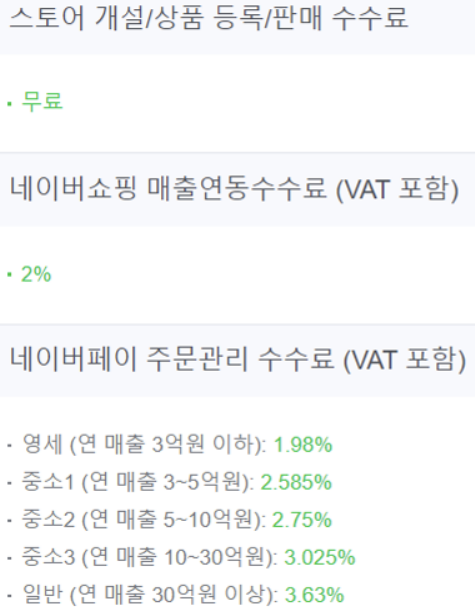
However, compared to 'Smart Store', an online platform operated by Naver, this is excessive. For many small business owners using Smart Store, store setup, product registration, and sales commissions are free. If linked with Naver Shopping, only 2% of sales is charged, and if linked with payment services like Naver Pay, a maximum of 3.63% commission is charged depending on annual sales (over 3 billion KRW). This means creators selling virtual clothes in the metaverse pay about 10 times more commission than small business owners selling actual clothes. A creator active on Zepeto said, "Virtual clothes require a lot of time and cost from product planning to design and commercialization, but the platform takes an excessively high commission," adding, "They don't even explain why such high commissions are necessary."
Creators cannot immediately cash out even after selling items. On Zepeto, creators must accumulate 5,000 Gems (Zepeto's virtual currency) before withdrawal is possible. The price per Gem in the Zepeto store is about 93 KRW, so creators must earn about 465,000 KRW in sales to cash out. However, when converting Gems back to cash, a different exchange rate applies. When a creator withdraws 5,000 Gems in cash, only about 120,000 KRW is received. A Zepeto representative explained, "The 5,000 Gem threshold is to prevent collusion and abuse," adding, "The commission is similar to other platforms and considers server maintenance costs and creator ecosystem development."
© The Asia Business Daily(www.asiae.co.kr). All rights reserved.



















