[Asia Economy Reporter Seonjin Byun] Starting from April, the provision of pharmaceutical package inserts in the form of QR codes instead of paper will be allowed for certain medicines. This is the first time that package inserts, which inform users about side effects and risks when using medicines, will be provided as electronic information.
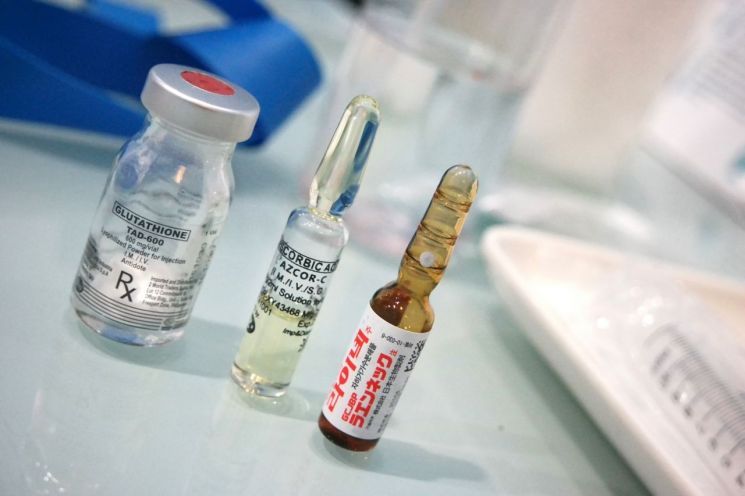
On the 2nd, the Ministry of Food and Drug Safety announced at the '100 Major Regulatory Innovation Tasks in Food and Drug' progress report meeting that it will implement the phased introduction of pharmaceutical e-labels and conduct a pilot project from April this year through next year. Initially, package inserts for injectable drugs administered directly at medical institutions among prescription medicines will be provided as QR codes on a trial basis. Since pharmaceutical package inserts must contain a vast amount of drug information on limited paper space, there have been criticisms about small font sizes leading to poor readability. Additionally, when information such as pharmaceutical approval details changes, the package insert content must be revised within at least 1 to 3 months, which was a drawback.
The pharmaceutical industry is immediately welcoming this change. Hyeryeon Bang, Executive Director of Korea AstraZeneca, said, “The pharmaceutical information for anticancer drugs is at the level of a booklet, and diabetes medications contain over 40 to 50 pages of extensive drug information, which was inefficient. Also, patients generally could not check the information from pharmaceutical surveys, which was another disadvantage.” Executive Director Bang added, “Korea’s infrastructure is the optimal environment for introducing pharmaceutical e-labels. I hope it will be applied and utilized for various prescription medicines in the future,” and said, “Starting with QR codes, I also expect electronic package inserts using blockchain technology to emerge.”
The Ministry of Food and Drug Safety is considering unifying the provision of package inserts for all medicines in electronic information format, starting with injectable drugs administered directly at medical institutions. Seokyeon Kang, Director of Pharmaceuticals at the Ministry, said, “If pharmaceutical information is provided through mobile devices in the future, it is expected to reduce production and printing costs for pharmaceutical companies,” and added, “It will also be possible to provide the latest information quickly and efficiently in real time to medical professionals and patients.”
© The Asia Business Daily(www.asiae.co.kr). All rights reserved.

















