Desserts Also Popular as 'Protein Foods'
High-Protein Diets: Are They Safe for Health?
Relying on Specific Nutrients Can Harm the Body
Recently, A (31), an office worker currently managing their diet, fills their daily meals with protein. Lunch consists of high-protein chicken breast sausages and fiber-rich salad. After exercising, they replenish protein with a protein shake, and when craving snacks, they satisfy their desire with protein muffins, protein scones, and even protein coffee.
‘Protein foods,’ processed foods made with reduced fat and carbohydrate content and high protein as the main ingredient, have recently gained explosive popularity among the younger generation. This is because they offer a much wider variety of flavors and textures compared to simply consuming chicken breast or protein shakes. A said, "Protein foods are expensive, but I don’t feel like it’s a waste of money," adding, "If it weren’t for these, I would have given up on dieting a long time ago."
Protein Desserts Taking Over the Table
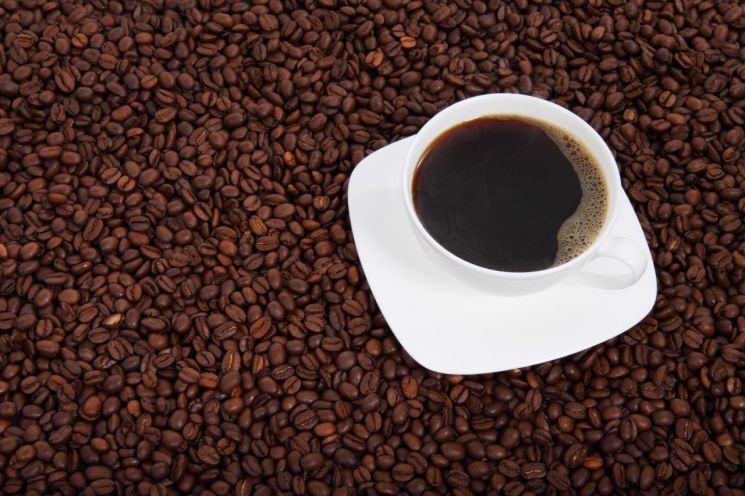
Protein foods look similar to regular foods on the outside. From breads like muffins, scones, and loaves to snacks like cookies, and recently, ‘Profi’ (protein + coffee), which is coffee mixed with protein powder, have become trendy.
However, unlike regular bread or snacks that have high fat, carbohydrate, and sugar content, protein foods contain much higher protein levels. This is because protein powder is mixed into the dough, and sugar substitutes are used instead of sugar to provide sweetness.
Thanks to this, protein foods have become favorites among dieters. Of course, the flavor of protein bread or protein coffee is hard to match with that of real bread and coffee. Since they require expensive ingredients for processing, their prices tend to be relatively high.
However, the satisfaction of enjoying delicious desserts even while controlling one’s diet, and the experiential benefit of indulging in exotic foods beyond chicken breast or vegetable salads, are attracting young consumers.
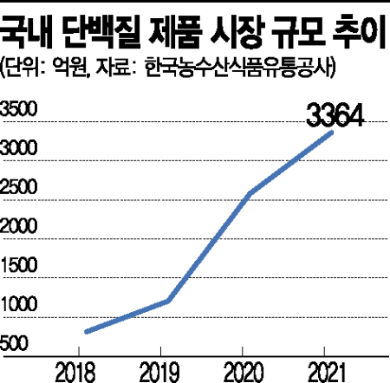
According to the Food Industry Statistics Information System (FIS), the domestic protein food market size grew nearly fourfold from 81.3 billion KRW in 2018 to 336.4 billion KRW in 2021. Protein, which was mainly consumed by athletes and bodybuilders, is gradually becoming a major nutrient for Koreans.
Excessive Protein Intake May Cause Calcium Loss
So, is a ‘protein diet’ composed of protein foods appropriate for long-term maintenance? While carbohydrates are often blamed as the main cause of obesity, and high-protein diets are trending, protein is still a nutrient that contains calories. Excessive protein intake not only causes weight gain but can also damage the body in the long term.
According to the Korean Nutrient Intake Standards distributed by the Ministry of Health and Welfare, the recommended daily protein intake for adult men aged 19-49 is 65g, and for women, it is 55g for ages 12-29 and 50g for those 30 and older. However, specific individual recommended intake may vary depending on exercise and other factors.
A single piece of chicken breast or one protein bread typically contains 15-20g of protein. Including just one of each in the diet already approaches the daily recommended intake.
What happens if you consume more protein than necessary? Excessive protein intake causes imbalances in the body and, in severe cases, can lead to calcium being excreted from the body. A lack of calcium, which plays an essential role in bone and joint formation, can cause diseases such as osteoporosis.
Dependence on Specific Nutrients Leads to ‘Addiction’
 A pop-up store of 'Protein Confectionery Shop' that makes and sells various desserts made from animal and plant proteins instead of flour. The photo is not related to any specific expression in the article. Photo by Yonhap News
‘Protein addiction’ is also a problem. The human body gains strength through essential nutrients, but if the supply of protein and fat decreases and only protein is excessively consumed continuously, dependence on protein occurs.
When protein addiction persists, ammonia, urea, and amino acids increase in the blood, placing a burden on organs important to our circulatory system, such as the kidneys. Protein addiction is known to occur when more than 35% of total calorie intake comes from protein.
Ultimately, to maintain a healthy body, it is necessary to avoid dependence on specific nutrients. In other words, it is important to secure calories not only from protein but also from carbohydrates and fats. According to the Ministry of Health and Welfare, as of 2020, the ‘appropriate energy ratio’ for Koreans was △carbohydrates 55-65%, △protein 7-20%, and △fat 15-30%.
For example, for a person consuming 2,000 calories (kcal) per day, it is most appropriate to consume 1,100-1,300 kcal from carbohydrates, 140-400 kcal from protein, and 300-600 kcal from fat.
© The Asia Business Daily(www.asiae.co.kr). All rights reserved.



















