Gwanak-gu, Parks and Waterfront Walkways to Appear in Front of Homes in 2023
Creating Park Spaces Close to Residents through the ‘Gwanaksan Park 24 Project’ and ‘Gwanaksan Entrance Prime Park Development Project’
Developing a ‘Waterfront Sensory City’ around Byeolbitnaerin Stream and Establishing a Cultural and Artistic Hub through ‘Gwanak Art Hall’
[Asia Economy Reporter Park Jong-il] Gwanak-gu (Mayor Park Jun-hee) is creating nature-friendly cultural and artistic spaces such as parks and waterfront walkways, enhancing its image as a ‘premium city that is good to live in.’
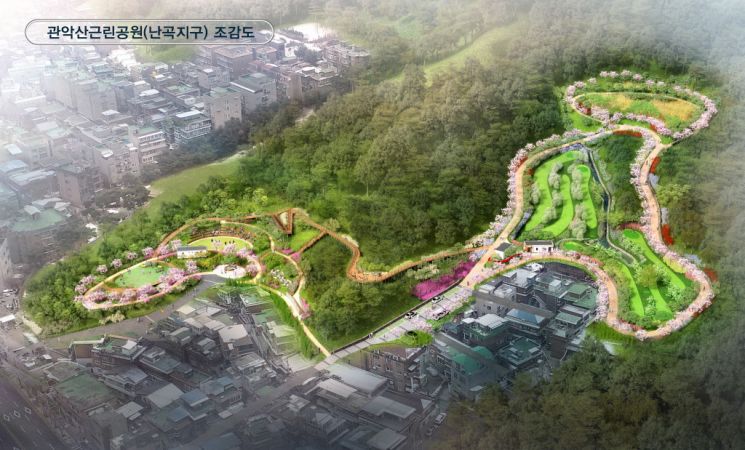
This year, the district is actively promoting the ‘Gwanaksan Park 24 Project,’ creating spaces where residents can enjoy green nature and cultural life close to the city center with the landmark ‘Gwanaksan’ mountain as a backdrop.
The 24 neighborhood parks along the slopes of Gwanaksan across the district are specialized by dividing them into three zones: Zone 1 (Miseong, Nangok, Nanhyang-dong), Zone 2 (Daehak, Samsung-dong), and Zone 3 (Nakseongdae, Namhyeon-dong). Last year, Nakseongdae Forest Park was established in the Nakseongdae area, and this year parks will be created in three areas: Nangok, Yangji, and Haneul, marking the full-scale development of Gwanak-gu’s ‘Mountain (San) Zone.’
Additionally, the former Gwanaksan Rest Area located right in front of the Gwanaksan Station on the Sillim Line will be transformed into a complex cultural facility equipped with cultural and relaxation spaces. Through the ‘Gwanaksan Entrance Prime Park Development Project,’ a large open plaza will be created in front of the Gwanaksan entrance, along with cultural facilities such as a three-story book caf?. The project aims for completion by November, accelerating efforts to make it a representative park of Seoul.
Alongside this, the ‘Gwanak Art Hall Art Walkway,’ connecting the ‘Gwanaksan Entrance Prime Park’ and the adjacent ‘Gwanak Art Hall,’ will also be completed by November to enable visitors to Gwanaksan to enjoy cultural and artistic activities in a linked manner.
Located five minutes from Gwanaksan Station, Gwanak Art Hall is a complex cultural space with performance halls and exhibition rooms, newly opened in September last year. On January 27, it hosted a concert by the world’s top boys’ choir, the ‘Vienna Boys’ Choir,’ playing a pivotal role as a cultural and artistic hub in Gwanak-gu.
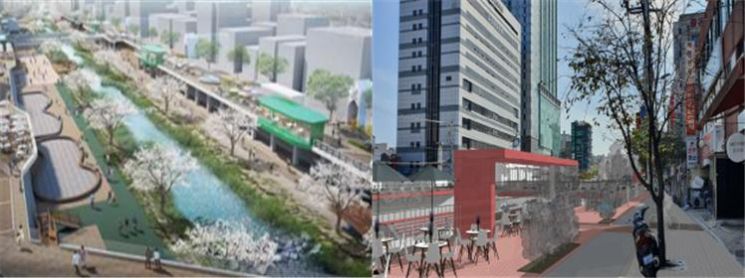
The waterfront sensory city will also take shape. Centered around Byeolbitnaerin Stream (Dorim Stream), the district is promoting the ‘Waterfront Sensory City Development’ project in the Bonglimgyo to Sillimgyo section near Sillim Station on Line 2, and the ‘Byeolbitnaerin Stream Specialized Space Development’ project near Seoul National University Venture Town Station on the Sillim Line and Seowon Station near Gwanaksan Station, creating living spaces where residents can stroll and heal along the waterfront.
The district plans to complete restoration of the unrecovered section from the front gate of Seoul National University to Dongbang 1 Bridge by June 2024, opening the entire Byeolbitnaerin Stream as an ecological stream to residents, continuing to foster Gwanak-gu’s ‘Water (Su) Zone.’
Park Jun-hee, Mayor of Gwanak-gu, said, “By creating parks, streams, and cultural and artistic spaces close to residents’ living areas, we will bring about changes in the living environment that residents can feel.” He added, “We will do our best to make Gwanak-gu a representative nature-friendly city and waterfront sensory city in Seoul, filled with culture and relaxation spaces.”
Jongno-gu to Operate ‘Car-Free Street’ on 160m Section of Sejong Village Food Culture Street Starting This Month
From April, Car-Free Streets to be Implemented in Daehangno to Revitalize the Performing Arts Ecosystem
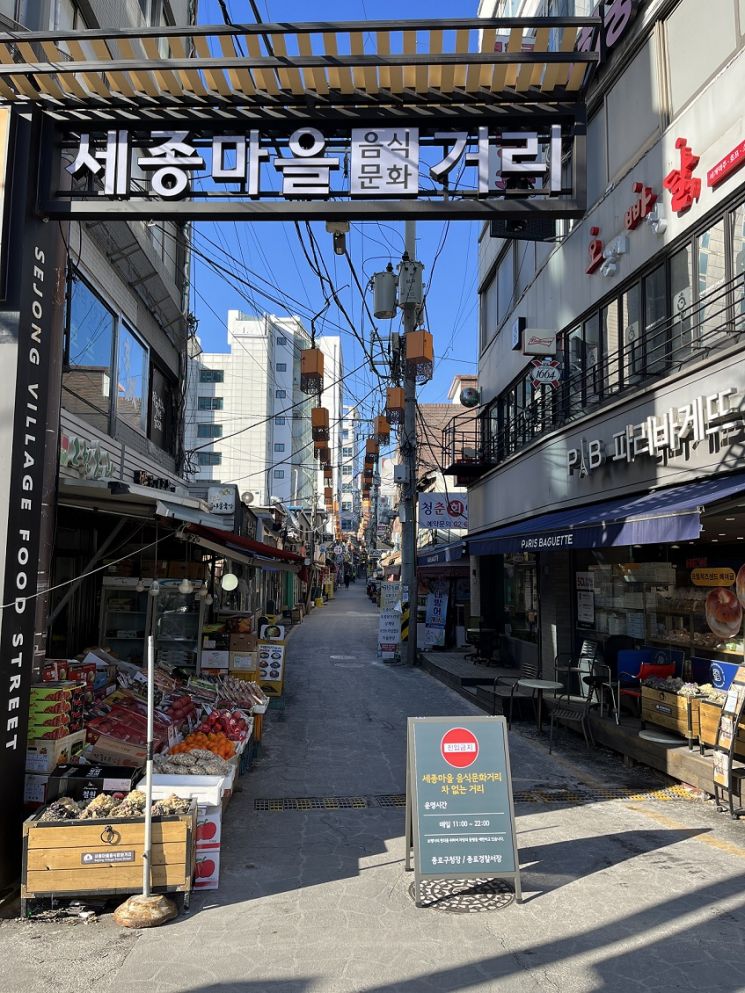
Jongno-gu (Mayor Jeong Mun-heon) has started operating a car-free street on the ‘Sejong Village Food Culture Street,’ one of Jongno’s representative commercial areas, from the 1st of this month.
The target area is a 160-meter-long section with a width of 4 meters, stretching from Jahamun-ro 5 to Jahamun-ro 1-gil 32.
It is considered a hot spot in Jongno, frequented by numerous domestic and international tourists and residents alike on both weekdays and weekends, due to its variety of popular restaurants and proximity to major tourist attractions.
However, the road is very narrow, making vehicle passage practically difficult, and there was concern about pedestrian safety due to the lack of separation between the roadway and sidewalks.
Accordingly, Jongno-gu comprehensively gathered opinions from local residents and merchants, including the Sejong Village Food Culture Street Merchants’ Association, and continuously consulted with the local police station. After passing police review in December 2022, the district decided to implement the car-free street starting this month.
To ensure everyone can easily recognize the car-free street, various traffic safety signs, road markings, and movable barricades have been installed, and promotional banners have been posted nearby.
Meanwhile, Jongno-gu has designated and operates a total of 12 sections as car-free streets, including Insadong-gil, Daemyeong-gil, and Sonamu-gil. From April, it plans to implement a car-free street in Daehangno as well.
Mayor Jeong Mun-heon explained, “We have operated the Sejong Village Food Culture Street as a car-free street to ensure the safety of drivers and pedestrians and to enhance convenience for tourists in this heavily trafficked area.” He added, “Starting in April, we will implement a car-free street in Daehangno to contribute to the revitalization of the performing arts ecosystem.”
Yongsan-gu Provides Subsidies for Installation of Eco-Friendly Home Boilers
Support for Households Replacing Boilers with Environmentally Certified Eco-Friendly Boilers This Year
Up to 100,000 KRW for General Households, 600,000 KRW for Low-Income Households...Until Budget of 194 Million KRW is Exhausted
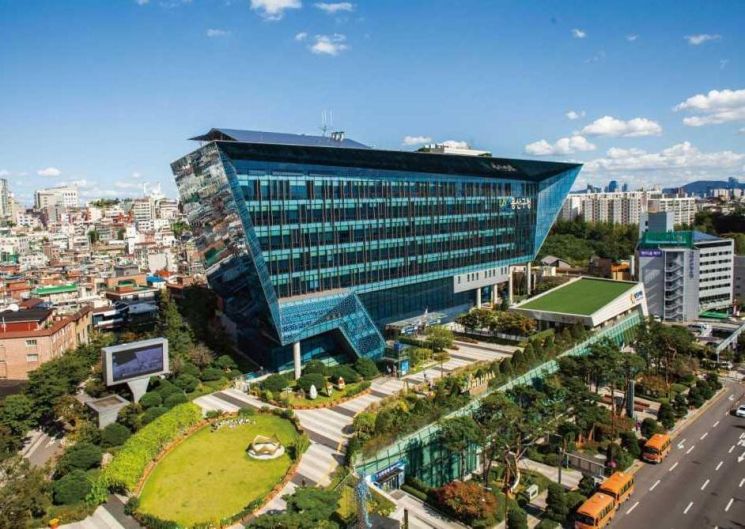
Yongsan-gu (Acting Mayor Kim Seon-su) is supporting the ‘Subsidy for Installation of Eco-Friendly Home Boilers’ until the budget is exhausted to promote eco-friendly living practices. This year, a budget of 194.4 million KRW has been allocated.
The applicants are households that replaced home boilers installed before the mandatory installation date (April 3, 2020) with environmentally certified ‘eco-friendly boilers’ this year. General households receive up to 100,000 KRW per unit, and low-income households up to 600,000 KRW. Those who installed eco-friendly boilers last year are not eligible.
Applicants should bring the subsidy application form, photos of the fully installed boiler, and other required documents to apply through the eco-friendly boiler subsidy application system or visit the Clean Environment Division on the 7th floor of the district office. More details can be found in the news section on the district website.
Eco-friendly boilers reduce nitrogen oxides (NOx), the main air pollutants, by 88% compared to conventional old boilers and improve thermal efficiency by 12%, saving up to about 130,000 KRW annually on heating costs.
Acting Mayor Kim Seon-su said, “Installing eco-friendly boilers is the best way to protect the environment and reduce heating costs,” and added, “We hope many residents will participate in eco-friendly living practices, including boiler replacement.”
Additionally, the district is promoting the activation of transparent PET bottle recycling through projects such as producing and distributing ultra-simple PET label removers and exchanging transparent PET bottles for volume-based waste bags. One unit each of an eco-friendly Effective Micro-organisms (EM) fermenter has been installed at the back gate of the district office and the entrance of Yongsan-gu Dream Tree Complex Town, supporting the distribution of EM fermentate.
© The Asia Business Daily(www.asiae.co.kr). All rights reserved.



















