Weekend Intoxicated Person Reports Up to 80-100 Cases
Strengthening Protection for Intoxicated Persons in the US, UK, and Australia
[Asia Economy Reporters Jang Sehee and Gong Byungseon] Amid recent controversies over police responses to intoxicated individuals, concerns have been raised about the unclear legal scope of police duties. Overseas, police are allowed to protect intoxicated persons by detaining them in holding cells or protection centers, highlighting the need for institutional improvements in South Korea as well.
According to a compilation of Asia Economy’s coverage on June 2, some police stations in Seoul, located in areas dense with entertainment venues and restaurants, receive an average of 25 to 30 intoxicated person reports per weekday. On weekends, this number can reach as high as 80 to 100 cases. A police official stated, "About 30 out of 100 reports on weekdays are related to intoxicated individuals," adding, "These reports include cases such as 'a person who drank alcohol is lying on the street' or 'an intoxicated person is involved in an altercation with others.'" According to the Seoul Metropolitan Police Agency, last year the number of intoxicated person-related reports in Seoul exceeded 30,000. The police explained that reports have surged recently following the lifting of COVID-19 social distancing measures.
Within the police force, there are many criticisms that the scope of police officers’ duties regarding the protection of intoxicated persons is unclear. Currently, Article 4 (Protective Measures) of the Police Duty Execution Act states that when a person intoxicated with alcohol is found to pose a risk of harm to their own or others’ life, body, or property, emergency relief should be requested from health care institutions or public relief agencies, or the person should be protected at a police station. However, the law lacks clear definitions, and in the event of an accident, the on-site police officer bears full responsibility. Because of this, police officers complain that it is especially difficult to judge ▲whether a person qualifies for protective measures ▲how to interpret the risk ▲and how to predict future risks.
A police officer working at a 112 call center in a frontline Seoul police station lamented, "The decision on whether someone requires protective measures is entirely left to the judgment of the on-site police," adding, "If the person appears mentally sound or says they can go home, officers sometimes withdraw, but if an accident occurs afterward, the police are held fully responsible." A team leader at a Seoul district police station pointed out, "Judging the risk of harm is very subjective," and "It is also unclear what exactly constitutes protective measures."
Recently, police officers have been under investigation for inadequate responses. On May 31, the Dongdaemun Police Station in Seoul is investigating two officers who left a man in his 50s lying intoxicated in an alley, who was later fatally struck by a van. On May 30, two officers from the Gangbuk Police Station in Seoul escorted an intoxicated man to his home, but he ultimately died due to the cold weather.
Overseas, systems for managing intoxicated persons are clearer. According to the National Assembly Legislative Research Office’s publication "Improvement Measures for Police Protection and Management of Intoxicated Persons," in the United States, police and emergency medical teams share responsibility for handling intoxicated individuals. Simple intoxicated persons are transported with their consent to police stations, public treatment facilities, or their homes. For severely intoxicated persons, detention and transfer to public treatment facilities within 48 hours are provided, along with assistance for treatment. In the United Kingdom, police, fire, and ambulance services respond to intoxicated persons, generally transporting them to medical institutions, but intoxicated persons involved in crimes are arrested and detained. Australia also protects intoxicated persons by placing them in holding cells, public treatment facilities, or intoxication relief centers.
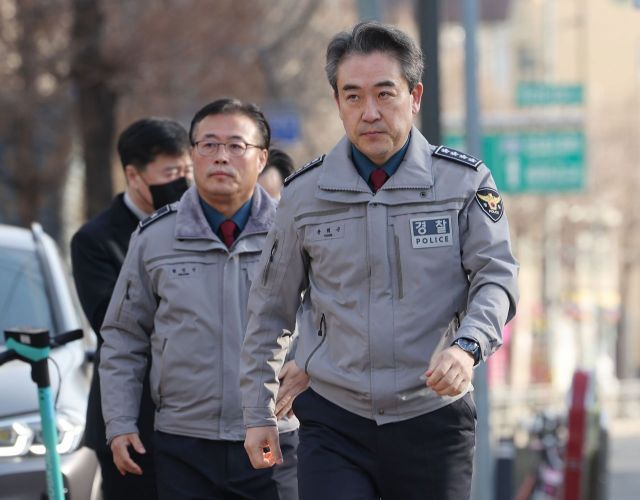
Meanwhile, the police plan to establish concrete response measures following a series of incidents involving intoxicated persons. Police Commissioner Yoon Hee-geun visited the Hwikyung Police Substation in Dongdaemun-gu, Seoul, the day before and apologized for the accidents that occurred during the protection process of intoxicated persons, emphasizing that they will seek and implement reasonable alternatives.
© The Asia Business Daily(www.asiae.co.kr). All rights reserved.

















