Hair Straightener School Violence Scene Based on Real Incident
Last Year Also Faced Criticism for Sign Language Discrimination
[Asia Economy Reporter Park Hyun-joo] SNL Korea (SNL) is once again facing backlash. Following last year's controversy over mocking sign language, it is now being criticized for trivializing school violence.
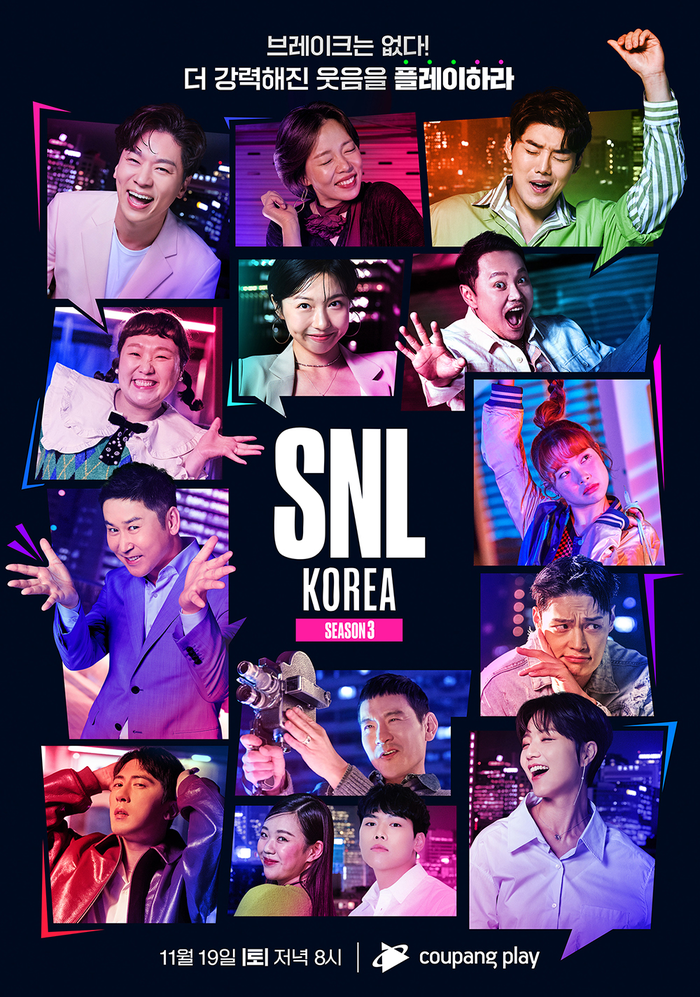
SNL Season 3 recently released a segment titled "The Calorie," parodying the Netflix drama "The Glory." "The Glory" tells the story of Moon Dong-eun (played by Song Hye-kyo), a victim of school violence during her childhood, who meticulously plans and executes revenge risking her life.
A particularly famous scene in the drama shows the perpetrators using a hot curling iron to burn Dong-eun's body. The brutality of the violence sparked public outrage, but above all, the fact that this scene was based on an actual school violence incident that occurred in a middle school in Cheongju in 2006 caused great shock.
SNL's "The Calorie" segment parodied the curling iron school violence scene by showing dried filefish being burned instead of a body. Comedian Lee Soo-ji, who played the victim Moon Dong-eun, acted in agony saying "I should eat it now" every time the dried filefish burned, while the perpetrators laughed out loud watching the scene.
This led to a flood of criticism that the serious issue of school violence was used as a comedic material. Concerns were also raised that the scene, being based on a real incident, could hurt victims who experienced school violence.
SNL was also embroiled in controversy last season for mocking the hearing impaired. In the "Weekend Update" segment of SNL Season 2 released on February 12 last year, an "AI Sign Language Interpretation Robot" was featured while addressing the biased judging controversy at the 2022 Beijing Olympics. Actor Jung Sang-hoon, playing the interpretation robot, did not provide proper sign language interpretation but instead made exaggerated movements and ridiculous facial expressions. He made gestures such as raising both index fingers to his head to form horn shapes and opening his eyes and mouth wide, saying that the public was furious over the biased judging.
Some viewers criticized this as mocking sign language and the hearing impaired. They pointed out that using the language of the socially vulnerable hearing impaired as comedic material is inappropriate.
As the ridicule controversy repeats, criticism has also arisen that SNL’s satire disproportionately targets socially vulnerable groups. In February last year, the Press Human Rights Center pointed out that SNL has continued criticism and ridicule aimed at those with weak power and low social status.
© The Asia Business Daily(www.asiae.co.kr). All rights reserved.
!["The Woman Who Threw Herself into the Water Clutching a Stolen Dior Bag"...A Grotesque Success Story That Shakes the Korean Psyche [Slate]](https://cwcontent.asiae.co.kr/asiaresize/183/2026021902243444107_1771435474.jpg)
















